
What You Need to Know About FFP3 Masks

FFP masks play a crucial role in respiratory protection. The European standard categorizes these masks into FFP1, FFP2, and FFP3 based on filtration efficiency. FFP3 masks offer the highest level of protection with a 99% filtration rate and a maximum leakage of 2%. Understanding the importance of an FFP3 mask is essential for those in high-risk environments. This mask provides superior protection compared to surgical masks, making it vital for healthcare workers and others exposed to airborne particles.
Understanding FFP Mask Categories
FFP1 Masks
Filtration Efficiency
FFP1 masks provide basic protection by filtering out at least 80% of airborne particles. These masks have the lowest filtration efficiency among the FFP categories. FFP1 masks are suitable for low-risk environments where exposure to harmful particles is minimal. The design of these masks focuses on comfort and breathability.
Common Uses
Industries often use FFP1 masks in environments with low levels of dust and non-toxic particles. Construction workers, for example, may wear FFP1 masks to protect against dust from materials like wood or plaster. These masks are also common in agriculture for tasks that involve handling grain or hay.
FFP2 Masks
Filtration Efficiency
FFP2 masks offer a higher level of protection than FFP1 masks. These masks filter at least 94% of airborne particles. The design of FFP2 masks ensures a maximum leakage of 8% to the inside. This makes them more effective in environments with moderate levels of dust, mists, and fumes.
Common Uses
Healthcare professionals often use FFP2 masks in settings where there is a moderate risk of exposure to respiratory viruses. These masks are also suitable for industrial environments where workers encounter oil-based mists or moderate levels of dust. FFP2 masks provide a balance between protection and comfort.
FFP3 Masks
Filtration Efficiency
FFP3 masks provide the highest level of protection among the FFP categories. These masks filter at least 99% of airborne particles. The design of FFP3 masks ensures a maximum leakage of only 2% to the inside. This high filtration capacity makes FFP3 masks ideal for high-risk environments.
Common Uses
Healthcare settings often require FFP3 masks to protect workers from airborne viruses like COVID-19. These masks are also essential in industries dealing with hazardous materials, such as asbestos removal. FFP3 masks offer superior protection against biological agents and fine dust particles. The use of FFP3 masks is crucial for ensuring safety in environments with high exposure risks.
Features of FFP3 Masks
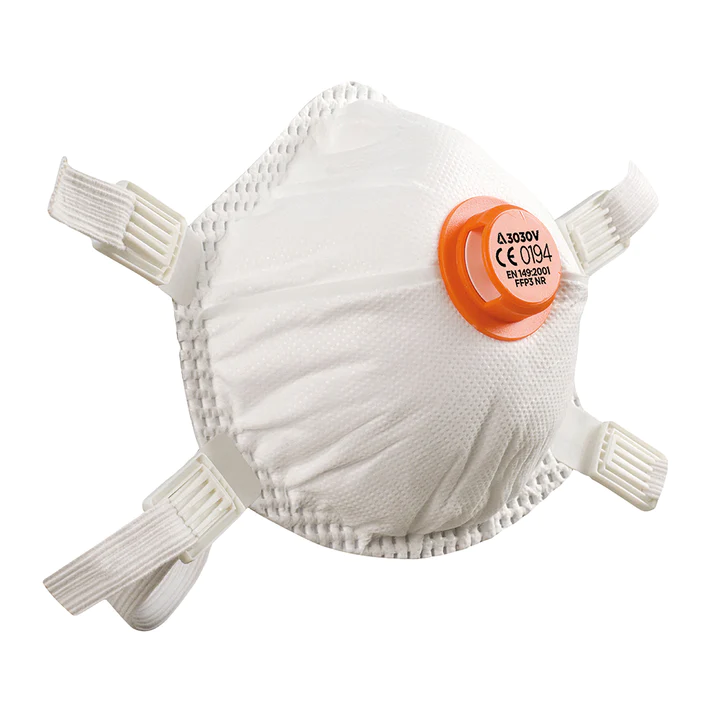

Filtration Capacity
FFP3 masks provide the highest level of filtration protection. These masks filter at least 99% of airborne particles. The design ensures minimal leakage, making them ideal for high-risk environments. The superior filtration capacity protects against dust, smoke, and aerosols.
Comparison with FFP1 and FFP2
FFP3 masks outperform FFP1 and FFP2 masks in filtration efficiency. FFP1 masks filter 80% of particles, while FFP2 masks filter 94%. FFP3 masks offer a significant advantage with their 99% filtration rate. This makes FFP3 masks essential for environments with hazardous materials.
Protection Against Particles
FFP3 masks protect against various particulate pollutants. These include dust, smoke, and aerosols. The masks are suitable for handling heavy metals, pathogens, and other dangerous substances. FFP3 masks ensure safety in healthcare settings and industries dealing with hazardous materials.
Exhalation Valves
Exhalation valves in FFP3 masks affect comfort and safety. Some masks include valves to reduce heat and moisture buildup. However, the presence of a valve can impact the mask’s effectiveness in certain situations.
Presence and Absence
FFP3 masks come with or without exhalation valves. Masks without valves provide consistent filtration for both inhaled and exhaled air. This feature is crucial in environments where preventing contamination is vital.
Impact on Safety and Effectiveness
Valved FFP3 masks benefit the wearer by enhancing comfort. However, these masks may not filter exhaled air, posing a risk in close-contact settings. Valve-less FFP3 masks offer comprehensive protection, making them preferable in healthcare environments.
Construction of FFP3 Masks
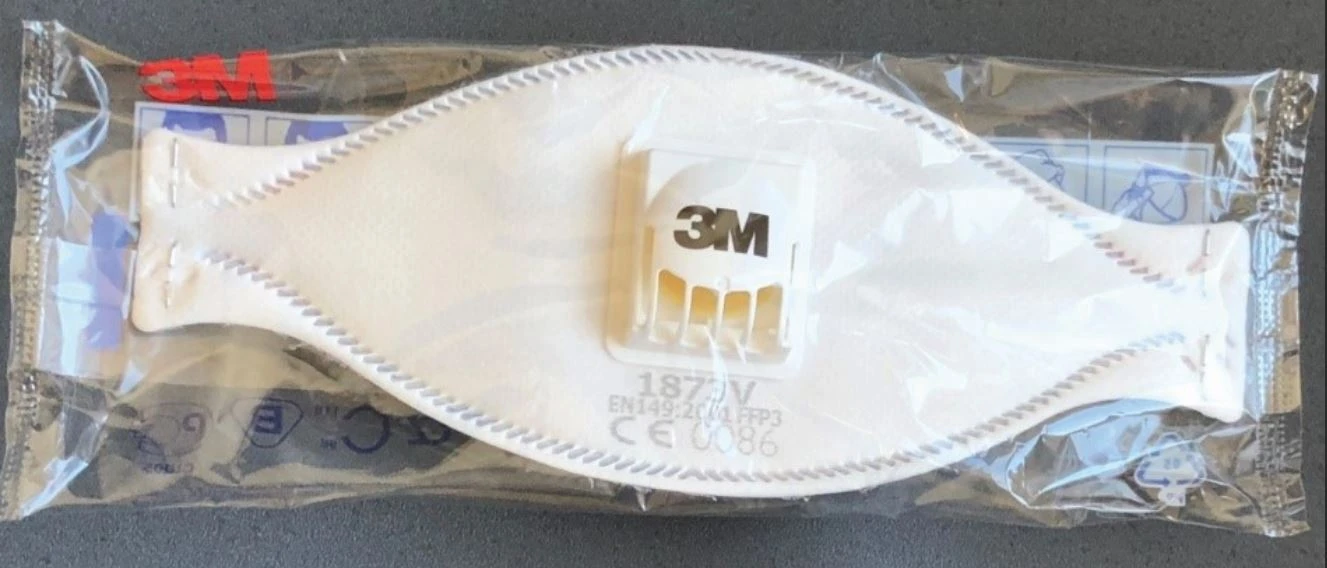
Parts of an FFP3 Mask
An FFP3 Mask consists of several layers, each serving a specific purpose. The construction ensures maximum protection and comfort for the wearer.
Outer Layer
The outer layer of an FFP3 Mask acts as the first line of defense. This layer is made from fluid-repellent non-woven fabric. The material prevents large droplets and splashes from penetrating the mask. This feature is crucial in environments with potential exposure to fluids.
Middle Layer
The middle layer of an FFP3 Mask provides the primary filtration function. This layer typically consists of polypropylene microfiber. The material captures fine particles, including dust, smoke, and aerosols. The middle layer’s efficiency is vital for filtering harmful substances.
Inner Layer
The inner layer of an FFP3 Mask focuses on comfort. This layer is made from skin-friendly composite fiber. The material absorbs moisture and reduces irritation. The inner layer ensures that the mask remains comfortable during extended wear.
Materials Used
The materials used in an FFP3 Mask play a significant role in its effectiveness. Each layer contributes to the mask’s overall performance.
Importance of Each Layer
Each layer in an FFP3 Mask has a specific function. The outer layer repels fluids, protecting against splashes. The middle layer filters out fine particles, providing the highest level of protection. The inner layer ensures comfort, making the mask suitable for long-term use. The combination of these layers makes the FFP3 Mask highly effective.
Durability and Comfort
The materials used in an FFP3 Mask ensure durability and comfort. The non-woven fabric and polypropylene microfiber provide strength and resilience. These materials withstand various environmental conditions. The skin-friendly composite fiber enhances comfort, reducing the risk of irritation. The design of the FFP3 Mask balances protection and wearability.
Practical Aspects of Using FFP3 Masks
Suitability in Various Environments
Healthcare Settings
FFP3 masks provide essential protection in healthcare settings. These masks filter 99% of airborne particles, offering superior safety for healthcare workers. The design ensures minimal leakage, crucial for environments with high exposure to viruses like COVID-19. Professionals emphasize the importance of FFP3 masks in maintaining health and safety standards.
Industrial Use
Industries dealing with hazardous materials rely on FFP3 masks. These masks protect against fine dust, smoke, and aerosols. Workers in asbestos removal or chemical processing benefit from the high filtration capacity. FFP3 masks ensure safety in environments with significant exposure risks.
Importance of Proper Fit
Fit Testing
Proper fit testing remains vital for FFP3 mask effectiveness. Daily fit tests help ensure the mask aligns correctly on the face. Checking for leaks prevents exposure to harmful particles. Professionals recommend regular fit testing as part of safety protocols.
Adjustability Features
FFP3 masks often include adjustability features. These features enhance the mask’s fit and comfort. Adjustable straps and nose bridges help achieve a secure seal. Proper adjustment maximizes the mask’s protective capabilities.
Disposable vs. Reusable Options
Pros and Cons
Disposable FFP3 masks offer convenience. These masks are easy to use and dispose of after single use. However, reusable FFP3 masks provide economic benefits. Reusable options reduce waste and offer long-term cost savings. Professionals advocate for reusable masks due to their ecological advantages.
Environmental Considerations
Reusable FFP3 masks contribute to environmental sustainability. These masks reduce the volume of waste generated by disposable options. Choosing reusable masks supports eco-friendly practices. Industries and healthcare settings benefit from the reduced environmental impact.
Importance of Valve-less FFP3 Masks in Healthcare
Protection for the Wearer
Against Airborne Particles
Healthcare workers face significant risks from airborne particles. The FFP3 Mask offers superior protection with a 99% filtration efficiency. This high level of filtration is crucial during aerosol-generating procedures. The FFP3 Mask ensures that healthcare workers remain protected from viruses like COVID-19. Proper fit testing enhances the effectiveness of these masks. A secure fit prevents leakage and maximizes protection.
Against Fluid Exposure
Fluid exposure poses another threat in healthcare settings. The FFP3 Mask includes an outer layer made from fluid-repellent material. This layer acts as a barrier against splashes and droplets. Healthcare workers benefit from this feature during procedures involving bodily fluids. The FFP3 Mask provides comprehensive protection, ensuring safety from both airborne and fluid hazards.
Environmental Protection
Reducing Contamination
Valve-less FFP3 Masks play a vital role in reducing contamination. Masks without valves filter both inhaled and exhaled air. This feature prevents the spread of unfiltered air in healthcare environments. The FFP3 Mask helps maintain a sterile environment, crucial for patient safety. The absence of a valve ensures that healthcare workers do not inadvertently contaminate their surroundings.
Enhancing Safety in Healthcare Settings
Safety in healthcare settings depends on effective protective equipment. The FFP3 Mask contributes significantly to this safety. The mask’s design minimizes leakage, providing consistent protection. Healthcare facilities benefit from using valve-less masks to control infection spread. The FFP3 Mask remains an essential tool in maintaining high safety standards.
FFP3 masks provide essential protection in high-risk environments. You benefit from their 99% filtration efficiency and minimal leakage. Valve-less FFP3 masks are crucial for healthcare settings. These masks ensure both wearer and environmental safety. The superior protection makes FFP3 masks indispensable for healthcare workers. Choose FFP3 masks to safeguard against harmful particles and enhance safety standards.