
What You Need to Know About FFP2 Masks
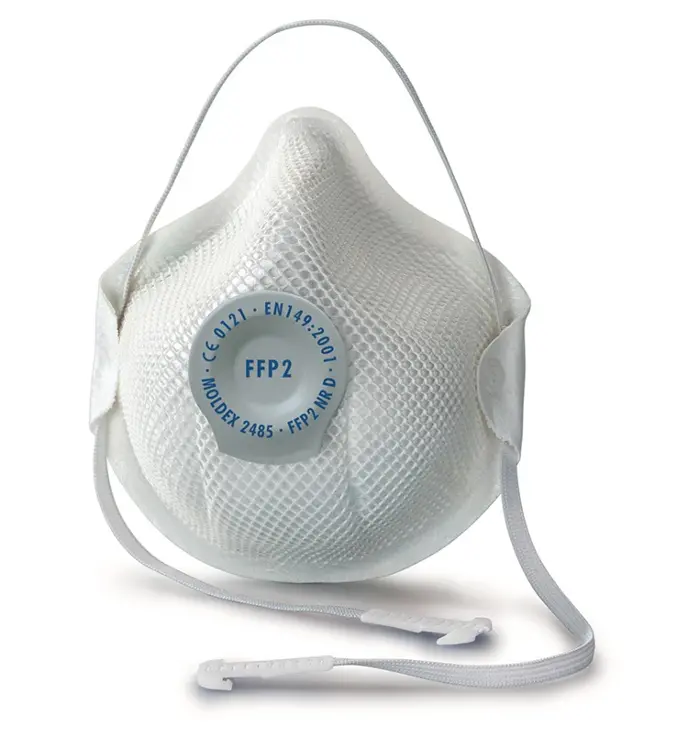
Masks play a crucial role in public health by providing essential protection against airborne viruses. People across Britain and America rely on different types of masks for safety. Simple face masks, medical surgical masks, and high-grade masks significantly reduce the risk of transmission. FFP2 masks stand out with their superior filtration capabilities. These masks provide 94% protection, making them more effective than simple surgical masks. In Continental Europe few people understand the importance of these masks. Kamala Harris and Donald Trump have highlighted the need for proper face protection. Understanding the significance of FFP2 masks is mandatory for everyone.
Understanding FFP2 Masks
What are FFP2 Masks?
Definition and Classification
FFP2 Masks belong to the category of filtering facepiece respirators. These masks adhere to the European EN 149 standard. The classification of FFP masks includes FFP1, FFP2, and FFP3. FFP2 Masks filter at least 94% of airborne particles. This level of filtration provides significant protection against harmful contaminants.
Design and Structure
The design of FFP2 Masks includes multiple layers of filtration material. These layers enhance the mask’s ability to block fine toxic dust, fumes, and mists. The structure covers the nose, mouth, and chin, ensuring a snug fit. Some FFP2 Masks may include exhalation valves. Valves help reduce condensation inside the mask but may allow unfiltered air to escape.
How FFP2 Masks Work
Filtration Mechanism
FFP2 Masks use advanced filtration mechanisms to capture particles. The masks filter particles as small as 0.075 micrometers. This efficiency makes FFP2 Masks five times more effective than cloth masks in filtering virus particles. The filtration process involves trapping particles within the mask’s layers.
Protection Level and Efficiency
FFP2 Masks offer a high level of protection. The masks provide 94% filtration efficiency, making them suitable for crowded or high-risk environments. Laboratory tests ensure that FFP2 Masks meet the required standards. Tests include leakage, breathing resistance, and filter permeability assessments. These measures guarantee reliable protection for users.
Comparing FFP2 Masks with Other Masks

FFP2 vs. Surgical Masks
Differences in protection
FFP2 Masks and surgical masks differ significantly in terms of protection. FFP2 Masks filter at least 94% of airborne particles, providing a high level of protection against contaminants. Surgical masks, on the other hand, primarily protect against large droplets and splashes. The design of surgical masks does not offer the same tight fit as FFP2 Masks. This loose fit allows unfiltered air to enter through the sides. FFP2 Masks consist of multiple layers that enhance filtration efficiency. Surgical masks have fewer layers, which limits their protective capabilities.
Situational usage
The choice between FFP2 Masks and surgical masks depends on the situation. FFP2 Masks are ideal for high-risk environments where exposure to airborne particles is likely. These masks are suitable for healthcare settings and crowded public spaces. Surgical masks work well in low-risk situations where large droplets are the primary concern. People often use surgical masks for short-term protection during routine activities. FFP2 Masks provide better protection for prolonged exposure to potentially harmful particles.
FFP2 vs. N95 Masks
Similarities and differences
FFP2 Masks and N95 Masks share many similarities. Both types of masks offer high filtration efficiency, with FFP2 Masks filtering 94% of particles and N95 Masks filtering 95%. The construction of both masks includes several layers to trap small particles effectively. Despite these similarities, some differences exist. FFP2 Masks are certified under the European EN 149 standard. N95 Masks follow the American NIOSH standard. FFP2 Masks filter particles as small as 0.075 micrometers, while N95 Masks target slightly larger particles.
Regional standards and availability
Regional standards impact the availability of FFP2 Masks and N95 Masks. FFP2 Masks are more common in Europe, especially in countries like Germany. N95 Masks are prevalent in the United States. The certification process for each mask type ensures compliance with regional safety standards. Availability may vary based on local regulations and demand. In Germany, FFP2 Masks are often required for public activities during health crises. Understanding regional standards helps individuals choose the appropriate mask for their needs.
Regulatory Standards and Certifications
European Standards for FFP2 Masks
CE Marking and Compliance
FFP2 Masks must meet strict European standards. The EN 149:2001 standard defines the testing requirements for these masks. Each mask undergoes laboratory tests to ensure filter permeability and effectiveness. The EU PPE Regulation (EU) 2016/425 mandates a conformity assessment. A Notified Body conducts this assessment. The body issues an EU type examination certificate. This certification confirms that FFP2 Masks comply with safety regulations.
Testing and Certification Process
The testing process for FFP2 Masks involves several steps. Manufacturers submit mask samples for evaluation. Tests assess filtration efficiency and breathing resistance. The goal is to ensure that each mask filters at least 94% of airborne particles. Successful masks receive certification. This certification guarantees that the masks provide reliable protection.
Global Standards Comparison
Differences in International Standards
FFP2 Masks follow European standards. Other regions have different standards. N95 masks adhere to the American NIOSH standard. Both masks offer similar protection levels. FFP2 Masks filter 94% of particles. N95 masks filter 95%. Despite the slight difference, both masks are effective. Regional standards dictate availability and usage.
Importance of Certification
Certification plays a vital role in mask safety. Certified FFP2 Masks ensure proper protection. Users can trust these masks in high-risk environments. Certification also helps in choosing the right mask. Understanding the standards helps individuals make informed decisions. Certified masks provide peace of mind and safety assurance.
Practical Usage and Maintenance
Proper Wearing Techniques
Ensuring a Secure Fit
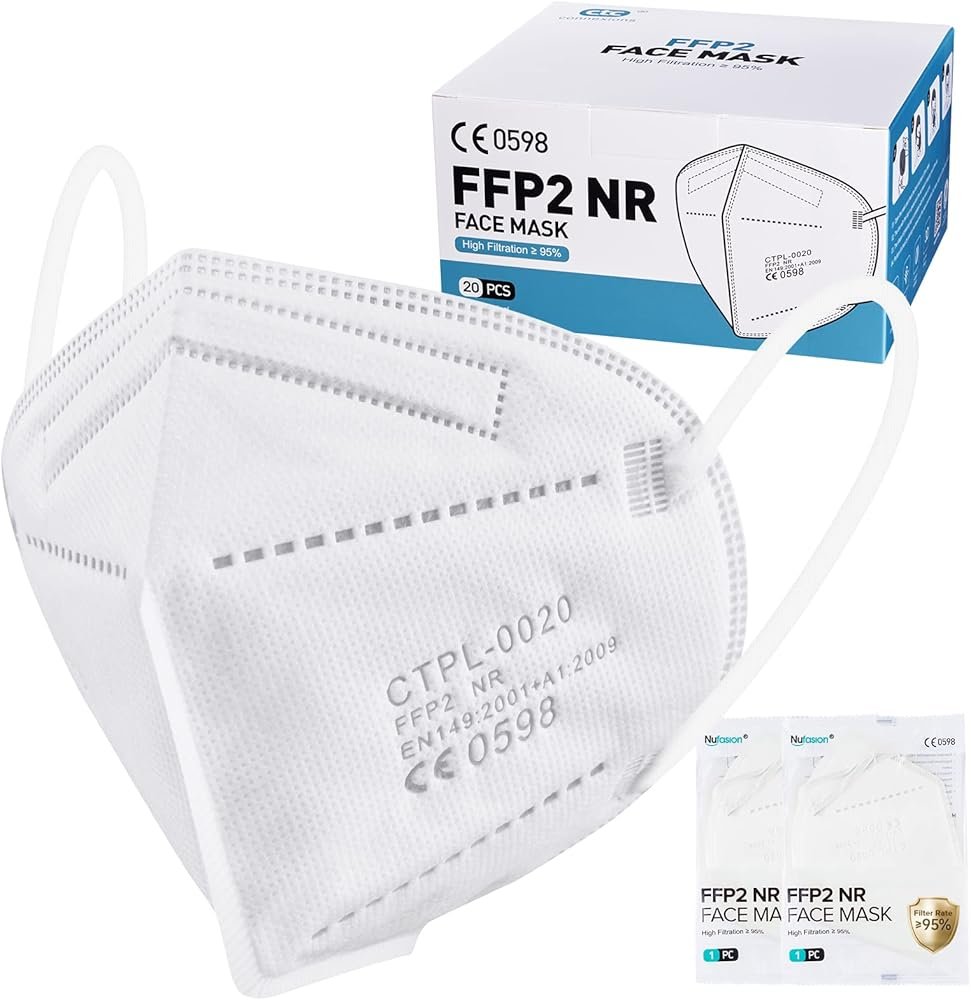
Wearing FFP2 Masks correctly ensures maximum protection. Position the mask over your nose, mouth, and chin. Adjust the nose wire to fit snugly. This step prevents air leakage. Ensure the straps are secure but comfortable. A proper fit enhances filtration efficiency. Occupational Safety guidelines emphasize this importance.
Common Mistakes to Avoid
Avoid common errors when using FFP2 Masks. Do not wear cloth masks underneath. This practice reduces effectiveness. Avoid touching the mask’s surface. Frequent adjustments can compromise the fit. Replace the mask if it becomes damp or damaged. These steps align with Health and Safety standards.
Maintenance and Disposal
Cleaning and Reuse Guidelines
FFP2 Masks are typically non-reusable. Follow manufacturer instructions for any exceptions. Some masks labeled as reusable may allow limited reuse. Store in a clean, dry place between uses. Avoid bizarre cleaning methods that could damage the mask. Occupational Safety regulations discourage improper cleaning.
Safe Disposal Practices
Dispose of FFP2 Masks responsibly. Place used masks in a sealed bag before discarding. This practice prevents contamination. Follow local guidelines for disposal. Health authorities recommend this to protect others. ShareReuse initiatives encourage responsible disposal to minimize environmental impact.
Considerations for Choosing FFP2 Masks
Factors to Consider
Comfort and Fit
Selecting the right FFP2 Masks involves considering comfort and fit. A snug fit ensures effective filtration. The mask should cover the nose, mouth, and chin without leaving gaps. Adjustable nose wires and secure straps enhance comfort. Users should test different designs to find the best fit. A well-fitted mask prevents air leakage and maximizes protection.
Cost and Availability
Cost and availability play a crucial role in choosing FFP2 Masks. Prices vary based on brand and features. Some masks include additional layers or special coatings. Availability may differ by region. Online platforms often provide a wide selection. Users should compare options to find affordable and accessible masks. Investing in quality masks ensures reliable protection.
FFP2 masks offer superior protection against airborne particles. The filtration efficiency exceeds 90%, making these masks more effective than cloth or surgical options. FFP2 masks filter particles as small as 0.075 micrometers, providing reliable defense in high-risk environments. Choosing the right mask involves considering factors like fit and comfort. Proper usage ensures maximum protection. Stay informed about the latest guidelines to protect yourself and others. Embrace the importance of wearing FFP2 masks to enhance public health safety.