
What You Need to Know About FFP1 Masks
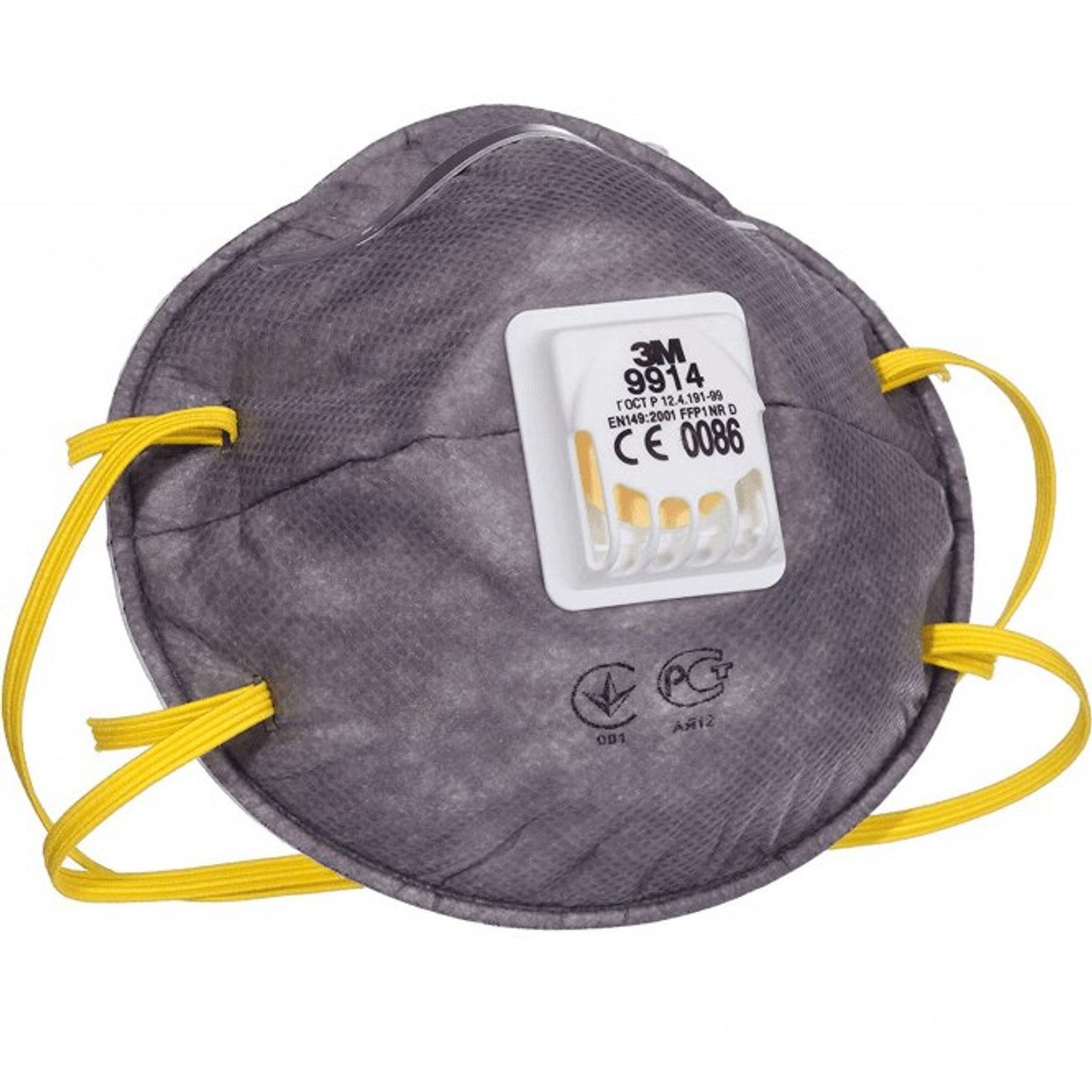
FFP1 Mask serves as a basic protective device against non-toxic dust particles and aerosols. These Face Masks filter at least 80% of airborne particles, providing a moderate level of protection. Understanding different mask types, like the FFP1, helps in Choosing the right mask for specific needs. The Assigned Protection Factor (APF) for FFP1 masks indicates a reduction in exposure by a factor of 4. Accessed April data shows that these masks are not suitable for environments with harmful substances. Proper use ensures effectiveness, making them a valuable tool in various industries.
Understanding FFP1 Masks
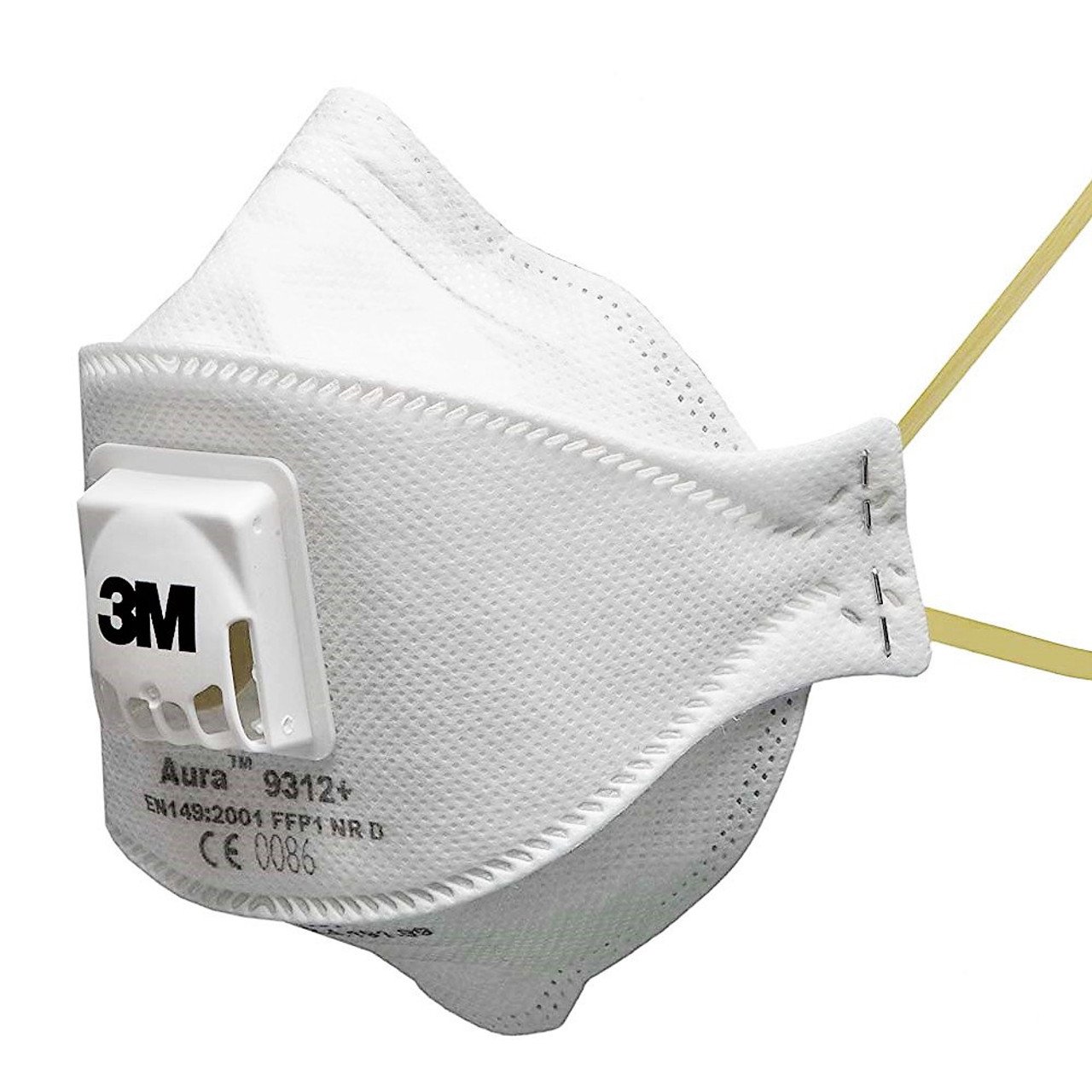
What are FFP1 Masks?
Definition and Basic Features
FFP1 masks belong to the Face Mask Classifications that provide basic protection against non-toxic dust particles and aerosols. These masks filter at least 80% of airborne particles larger than 0.3 microns. FFP1 Mask serves as a primary barrier in environments with low-level contaminants. The design of these masks ensures moderate protection, making them suitable for industries like construction and agriculture.
Materials Used in FFP1 Masks
Manufacturers construct FFP1 masks using multiple layers of filter material. These layers trap particles effectively as they pass through the mask. The materials often include non-woven fabric and electrostatically charged fibers. This composition enhances the mask’s ability to capture dust and other non-toxic particles.
How FFP1 Masks Work
Filtration Mechanism
The filtration mechanism in FFP1 masks involves several layers that work together. Electrostatic charges in the filters attract and trap particles. This method ensures that the mask captures at least 80% of particles larger than 0.3 microns. The FFP respirators protection level depends on the tight fit around the face, preventing unfiltered air from entering.
Protection Level Offered
FFP1 masks offer superior protection against non-toxic particles. However, these masks do not protect against toxic substances or viruses. The FFP protection level is suitable for environments where contaminant concentrations do not exceed four times the workplace exposure limit. FFP masks primarily protect users in settings with dust and non-hazardous aerosols.
Comparing FFP1 Masks with Other Masks

FFP1 vs. FFP2 Masks
Differences in Filtration Efficiency
FFP1 masks filter at least 80% of airborne particles larger than 0.3 microns. In comparison, FFP2 masks provide a higher level of protection by filtering at least 94% of aerosols. This difference in filtration efficiency makes FFP2 masks more suitable for environments with higher concentrations of dust and aerosols. FFP respirators like FFP2 offer a greater reduction in exposure, making them ideal for more demanding industrial settings.
Situations Where Each is Recommended
FFP1 masks serve well in industries such as construction and agriculture where non-toxic dust particles are prevalent. The FFP1 mask provides adequate protection when contaminant concentrations do not exceed four times the workplace exposure limit. In contrast, FFP2 masks are recommended for situations requiring higher protection levels, such as in healthcare settings or environments with moderate levels of toxic substances. The choice between FFP1 and FFP2 depends on the specific needs and exposure risks of the environment.
FFP1 vs. Surgical Masks
Key Differences in Design and Use
FFP1 masks and surgical masks differ significantly in design and intended use. FFP1 masks are designed to protect the wearer from inhaling non-toxic dust and aerosols. The focus of FFP1 masks lies in providing a tight fit around the face to ensure effective filtration. Surgical masks, on the other hand, primarily protect others from the wearer’s respiratory emissions. FFP masks and surgical masks serve different purposes, with FFP1 masks being more suitable for personal protection in industrial settings.
Pros and Cons of Each Type
FFP1 masks offer the advantage of filtering out a significant portion of airborne particles, making them effective in dusty environments. However, FFP1 masks do not protect against viruses or toxic substances. Surgical masks provide a barrier against large droplets and splashes, but they lack the filtration efficiency of FFP1 masks. The choice between FFP1 masks and surgical masks depends on the specific protection requirements and the nature of the exposure.
Practical Considerations for Using FFP1 Masks
Fit and Comfort
Importance of Proper Fit
A proper fit ensures that the FFP1 Mask provides effective protection. The mask must seal tightly around the face to prevent unfiltered air from entering. A loose fit reduces the mask’s ability to filter particles. Users should always check the fit before entering environments with dust or aerosols.
Tips for Ensuring Comfort
Comfort plays a crucial role in the consistent use of FFP masks. Choose a mask with adjustable straps to achieve a snug fit. Soft inner linings can enhance comfort during long periods of wear. Regular breaks help alleviate any discomfort from prolonged use. Always prioritize both fit and comfort when selecting an FFP1 Mask.
Reusability and Maintenance
Guidelines for Reuse
FFP1 Masks are often designed for single use. However, some masks may allow limited reuse if properly maintained. Always follow manufacturer guidelines for reuse. Inspect the mask for damage or contamination before each use. Replace the mask if breathing becomes difficult or if the mask appears compromised.
Cleaning and Storage Tips
Proper cleaning and storage extend the life of reusable FFP masks. Store masks in a clean, dry place away from direct sunlight. Avoid washing disposable masks, as this can compromise their effectiveness. For reusable masks, follow specific cleaning instructions provided by the manufacturer. Proper care ensures that the FFP1 Mask continues to provide reliable protection.
FFP1 Mask provides essential protection against non-toxic dust and aerosols. Understanding the differences between FFP mask types helps you choose wisely. Proper fit ensures maximum effectiveness during aerosol generating procedures. Certified FFP masks, like those from DISTINGUISHES MOLDEX FFP MASKS, offer reliable protection. Always use an FFP mask responsibly in environments where FFP Face Masks Mandatory signs appear. Consider the specific needs of your environment and the level of protection required. For more information, consult Air Articles or Aerosol Med Pulm Drug. Remember to check Copyright and License information for further details.