
What is the meaning of fall protection?
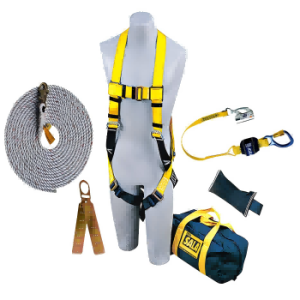
Fall protection refers to systems designed to prevent injuries from falls at heights. These systems are crucial in various settings, including construction and industrial environments. In 2018, nearly 200,000 workplace injuries in the US resulted from falls, with 726 fatalities. The construction industry alone sees 150-200 deaths annually due to falls. Regulatory standards, such as OSHA and ANSI guidelines, ensure the reliability and performance of fall protection equipment. Adhering to these standards can significantly reduce the risk of fall-related incidents.
Understanding Fall Protection
Definition and Scope
What constitutes fall protection?
Fall protection encompasses a range of systems and measures designed to prevent injuries from falls at heights. These systems include both active and passive solutions. Active fall protection systems require worker interaction, such as personal fall arrest systems and fall restraint systems. Passive fall protection systems do not require worker interaction and include guardrails and safety nets. The goal is to ensure that workers remain safe while performing tasks at elevated locations.
Key objectives of fall protection
The primary objectives of fall protection are to prevent falls and minimize the severity of injuries if a fall occurs. Effective fall protection systems aim to:
Prevent falls: By using barriers, guardrails, and other preventive measures.
Arrest falls: By stopping a fall in progress with harnesses and lanyards.
Reduce injury severity: By ensuring that fall arrest systems limit the impact force on the body.
Importance of Fall Protection
Workplace safety
Workplace safety significantly improves with the implementation of fall protection measures. Falls are a leading cause of workplace injuries and fatalities. In 2019, falls accounted for nearly 38% of fatalities in the construction industry. Proper fall protection training equips workers with the knowledge and skills to recognize potential fall hazards and implement safety measures. This training enhances overall safety and reduces the likelihood of accidents.
Legal and financial implications
Employers must adhere to regulatory standards set by bodies like OSHA and ANSI. Non-compliance can result in severe legal and financial consequences. OSHA requires employers to provide fall protection to prevent falls from overhead platforms, elevated workstations, or into holes in floors and walls. Compliance ensures the safety of employees and helps avoid costly fines and legal actions. Additionally, effective fall protection systems can reduce the costs associated with workplace injuries, such as medical expenses and lost productivity.
Regulatory Standards for Fall Protection
Overview of Regulatory Bodies
OSHA (Occupational Safety and Health Administration)
The Occupational Safety and Health Administration (OSHA) sets mandatory standards for workplace safety, including fall protection. OSHA requires employers to provide fall protection at specific heights. For general industry, the threshold is four feet. For construction, the threshold is six feet. Employers must assess the worksite to identify potential fall hazards. OSHA mandates the use of personal fall arrest systems, guardrails, and safety nets to prevent falls. Employers must also ensure proper employee training on the use of fall protection equipment.
ANSI (American National Standards Institute)
The American National Standards Institute (ANSI) develops voluntary consensus standards that complement OSHA regulations. ANSI standards provide detailed guidelines for fall protection equipment and systems. The ANSI/ASSP Z359 series addresses various aspects of fall protection, including personal fall arrest systems, lanyards, and harnesses. These standards help safety professionals develop comprehensive fall protection programs. Using equipment that meets ANSI standards can help ensure compliance with OSHA requirements.
Key Regulations and Guidelines
OSHA standards
OSHA standards for fall protection include several key requirements:
Site Assessment: Employers must evaluate the worksite to identify fall hazards.
Fall Protection Systems: Employers must provide appropriate fall protection systems, such as guardrails, safety nets, or personal fall arrest systems.
Training: Employers must train employees on the proper use of fall protection equipment and the recognition of fall hazards.
Maintenance: Employers must maintain fall protection equipment in good working condition.
Compliance with OSHA standards helps prevent workplace injuries and fatalities. Non-compliance can result in severe penalties, including fines and legal actions.
ANSI guidelines
ANSI guidelines offer additional best practices for fall protection:
Equipment Standards: ANSI provides specifications for the design, performance, and testing of fall protection equipment.
System Design: ANSI guidelines recommend the integration of multiple fall protection systems to address various fall hazards.
Inspection and Maintenance: ANSI emphasizes the importance of regular inspection and maintenance of fall protection equipment.
Training and Competency: ANSI standards highlight the need for thorough training and competency assessments for workers using fall protection systems.
Employers who follow ANSI guidelines can enhance their fall protection programs and improve overall workplace safety.
Types of Fall Protection Systems
Active Fall Protection Systems
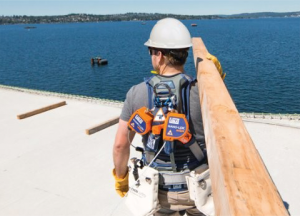
Active fall protection systems require worker interaction to prevent falls or mitigate their impact. These systems include personal fall arrest systems and fall restraint systems.
Personal fall arrest systems
Personal fall arrest systems aim to stop a fall in progress. These systems consist of an anchor, a body harness, and connectors such as a self-retracting lifeline (SRL). Workers connect the harness to an anchor point or lifeline system. When a fall occurs, the system locks to prevent the worker from hitting the ground or lower levels. Personal fall arrest systems are crucial in industries where falls are inevitable, such as construction and roofing.
Fall restraint systems
Fall restraint systems prevent workers from reaching unprotected edges. These systems use anchors or horizontal lifelines to define a safe work area. Workers wear a body harness and lanyard that link to an anchor point or horizontal lifeline. Fall restraint systems are ideal for tasks where workers do not need to work close to the edge but still face exposure on elevated surfaces. These systems ensure that workers stay within a safe zone, thus preventing falls.
Passive Fall Protection Systems
Passive fall protection systems do not require worker interaction. These systems include guardrails and safety nets.
Guardrails
Guardrails serve as barriers to prevent workers from falling off elevated surfaces. These structures are installed along the edges of platforms, walkways, and rooftops. Guardrails provide continuous protection without requiring any action from the worker. The simplicity and effectiveness of guardrails make them a common choice for passive fall protection.
Safety nets
Safety nets catch workers who fall from heights, preventing them from hitting the ground. These nets are installed below the work area and cover a large surface. Safety nets provide a secondary layer of protection when other systems fail. The use of safety nets is common in construction sites where workers perform tasks at significant heights.
Components of Fall Protection Systems
Personal Protective Equipment (PPE)
Harnesses
A full body harness serves as a critical component in personal fall arrest systems. This harness connects workers to anchorage points, preventing falls to lower levels or objects. The harness distributes the force of a fall across the shoulders, thighs, and pelvis. This distribution minimizes injury risk. Workers must ensure proper fit and adjustment for maximum effectiveness. Regular inspection of harnesses for wear and damage is essential.
Lanyards
A lanyard acts as a flexible line connecting the harness to an anchorage point or deceleration device. Lanyards often feature shock absorbers to reduce fall impact forces. These components can include rope, wire rope, or webbing straps. Workers attach one end to the harness and the other to an anchor or lifeline. Proper use and regular inspection of lanyards enhance safety during elevated work tasks.
Anchorage Points
Fixed Anchorage
Fixed anchorage points provide a secure attachment for fall protection systems. These points are permanently attached to structures where work occurs. Common fixed anchorage points include beams, columns, and other structural elements. Workers must ensure that these points meet strength requirements specified by regulatory standards. Proper installation and maintenance of fixed anchorage points are crucial for safety.
Mobile Anchorage
Mobile anchorage points offer flexibility in various work environments. These points can move with the worker, providing continuous fall protection. Examples include mobile anchors, horizontal lifelines, and portable anchorage devices. Mobile anchorage points must meet strength and stability criteria. Regular inspection and proper use ensure effective fall protection.
By understanding and utilizing these components, workers can significantly reduce fall risks. Proper training, regular inspections, and adherence to safety standards are essential for maintaining effective fall protection systems.
Applications of Fall Protection Systems
Construction Industry
Common hazards
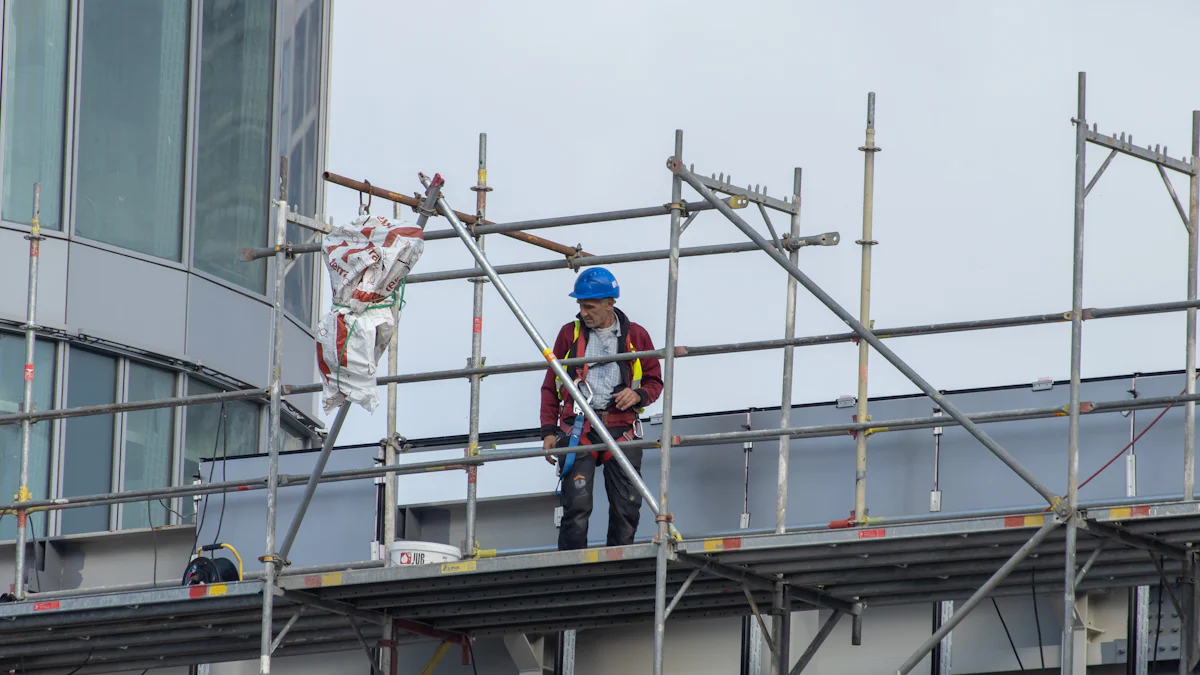
The construction industry faces various fall hazards. Workers often perform tasks at significant heights. Scaffolding, ladders, and rooftops present common risks. Open edges and floor openings also pose dangers. Weather conditions can increase the likelihood of falls. Wind, rain, and ice make surfaces slippery. Proper fall protection measures are essential to mitigate these risks.
Best practices
Implementing best practices enhances safety in construction. Employers must conduct regular site assessments. Identifying potential fall hazards is crucial. Providing appropriate fall protection systems is necessary. Guardrails, safety nets, and personal fall arrest systems offer effective solutions. Training workers on fall protection equipment use is vital. Regular inspections ensure equipment remains in good condition. Employers should establish a culture of safety awareness. Encouraging reporting of unsafe conditions helps prevent accidents.
Industrial Settings
Specific risks
Industrial settings present unique fall hazards. Elevated workstations and machinery pose significant risks. Workers often navigate complex environments. Conveyor belts, platforms, and catwalks require careful attention. Chemical spills and debris increase slip hazards. Proper lighting and clear signage reduce fall risks. Implementing robust fall protection systems is essential.
Implementation strategies
Effective strategies enhance fall protection in industrial settings. Employers must assess work areas for potential hazards. Installing guardrails and safety nets provides passive protection. Personal fall arrest systems offer active solutions. Training programs educate workers on safe practices. Regular drills reinforce fall protection protocols. Maintenance schedules ensure equipment reliability. Employers should foster a proactive safety culture. Encouraging vigilance and reporting of hazards promotes a safer workplace.
Fall protection remains vital for ensuring workplace safety. Employers must adhere to regulatory standards like OSHA and ANSI. Effective fall protection systems can prevent serious injuries and save lives. Workers should receive thorough training on using fall protection equipment. Employers should prioritize implementing these systems in all high-risk areas. For further reading, explore additional resources on fall protection strategies and best practices.