
What is proper eye protection?
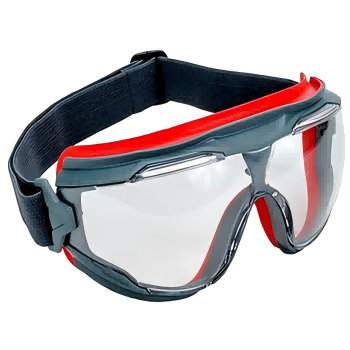
Eye protection plays a crucial role in maintaining eye health. About 20,000 eye injuries occur in the workplace each year. These injuries can lead to severe consequences, including long-term vision problems. Common risks to eye health include exposure to chemicals, flying debris, and harmful radiation. Proper eye protection can prevent 90% of these injuries. Various types of eye protection are available, such as safety glasses, goggles, and face shields. Each type offers specific benefits depending on the hazard present.
Understanding Eye Protection
Why Eye Protection is Crucial
Common Eye Injuries
Workplaces present various risks to eye health. Common eye injuries include lacerations, chemical burns, and foreign objects entering the eye. Flying debris can cause severe damage to the cornea. Chemicals can lead to burns that require immediate irrigation. Even with prompt treatment, permanent damage may occur. Injured eyes often need lifelong monitoring.
Long-term Effects of Eye Damage
Eye injuries can have long-lasting consequences. Vision loss can result from severe trauma. Chemical burns may necessitate surgical intervention. Lifelong ophthalmic care becomes essential for many injured individuals. Long-term effects can impact daily life and work capabilities.
Types of Eye Protection
Safety Glasses
Safety glasses provide basic protection against particles and flying objects. These glasses often come with side shields. Polycarbonate lenses offer resistance to shattering and UV protection. Safety glasses are suitable for environments with low to moderate hazards.
Goggles
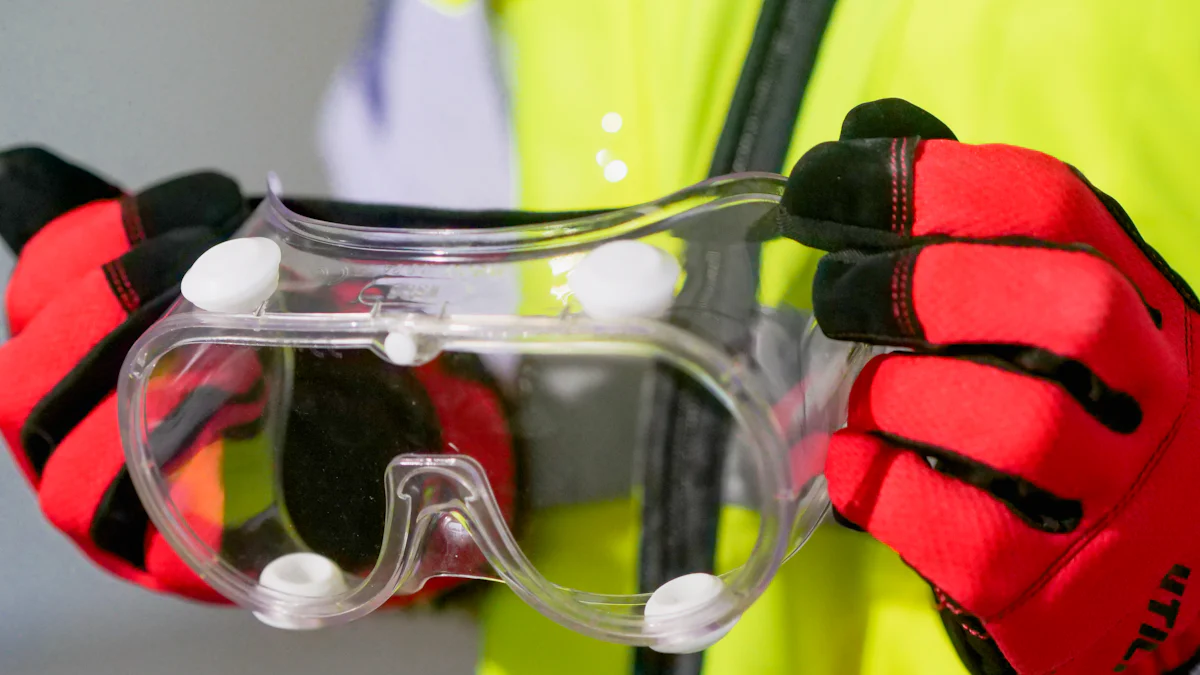
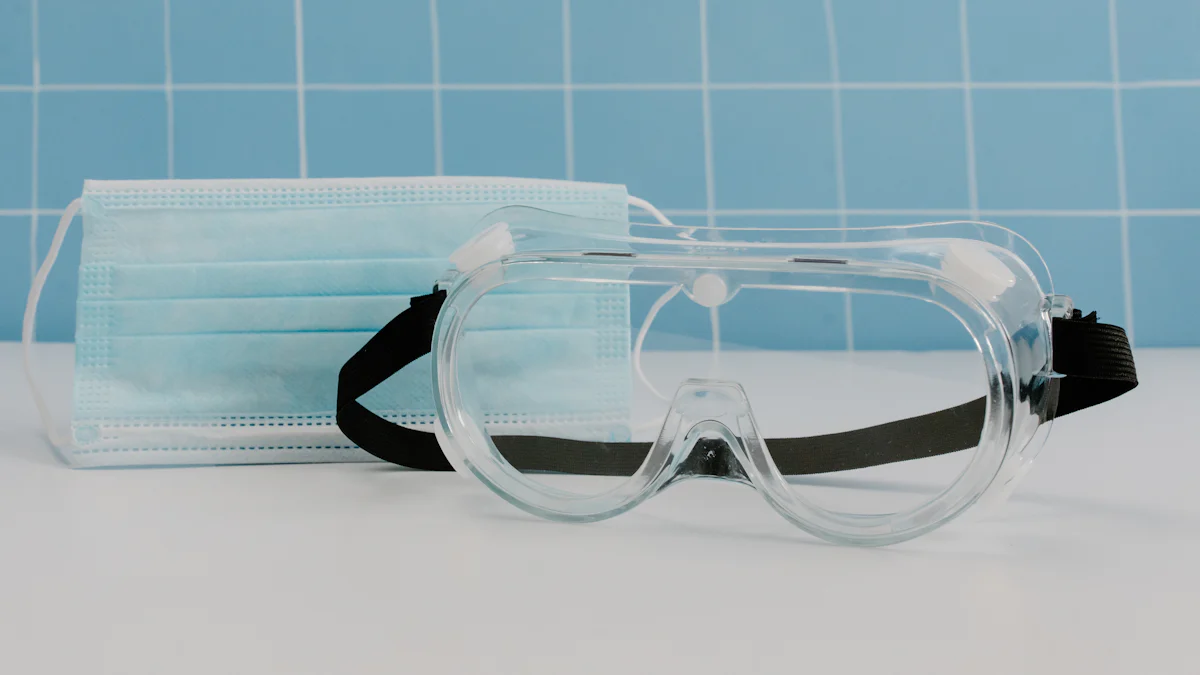
Goggles offer more comprehensive protection than safety glasses. Tight-fitting goggles cover the eyes, eye sockets, and surrounding facial areas. These goggles protect against impact, dust, and chemical splashes. Goggles must fit snugly to be effective.
Face Shields
Face shields provide extensive protection for the face and eyes. These shields should be used with other eye protection. Face shields protect against chemical splashes and flying debris. They are ideal for high-risk environments.
Helmets
Helmets offer protection for the entire head, including the eyes. Welding helmets shield against harmful radiation. These helmets often include built-in eye protection. Helmets are essential for tasks involving high-intensity light or heat.
Standards and Regulations
OSHA Guidelines
The Occupational Safety and Health Administration (OSHA) sets guidelines for eye protection. Employers must ensure that employees use appropriate eye protection. OSHA mandates eye protection for exposure to chemical, environmental, radiological, or mechanical irritants.
ANSI Standards
The American National Standards Institute (ANSI) provides standards for safety eyewear. ANSI standards ensure that protective eyewear meets specific performance criteria. Compliance with ANSI standards guarantees a basic level of protection.
Industry-specific Requirements
Different industries have unique eye protection requirements. Construction sites may require safety glasses with side shields. Laboratories often mandate the use of goggles. Welding operations necessitate helmets with built-in eye protection. Employers must adhere to industry-specific regulations to ensure safety.
Choosing the Right Eye Protection
Assessing the Risk
Workplace Hazards
Workplaces present various hazards that necessitate specific eye protection. Construction sites often expose workers to flying debris and dust. Safety glasses with side shields provide essential protection in such environments. Laboratories involve handling chemicals that can splash and cause burns. Goggles offer comprehensive protection against chemical splashes and must fit snugly to be effective. Welding operations expose workers to harmful radiation. Helmets with built-in eye protection are crucial for shielding against intense light and heat.
Recreational Activities
Recreational activities also pose risks to eye health. Sports like racquetball and hockey involve high-speed objects that can cause eye injuries. Safety goggles provide impact resistance and secure shielding around the eyes. Outdoor activities like cycling and skiing expose eyes to UV radiation. Safety glasses with polycarbonate lenses offer UV protection and shatter resistance. Swimming in chlorinated pools can irritate the eyes. Swim goggles protect against chlorine exposure and improve underwater visibility.
Material and Design Considerations
Lens Material
The lens material significantly impacts the effectiveness of eye protection. Polycarbonate lenses are highly recommended due to their shatter-resistant properties. These lenses also provide UV protection, making them suitable for outdoor use. Propionate plastic lenses offer similar benefits and are lightweight. Both materials ensure durability and safety in various environments.
Frame Design
Frame design plays a crucial role in the comfort and functionality of protective eyewear. Wraparound frames provide additional side protection, essential for environments with flying particles. Adjustable frames allow for a customized fit, enhancing user comfort. Vented frames help reduce fogging, improving visibility during prolonged use. Safety glasses and goggles should feature sturdy frames that can withstand impact without compromising protection.
Fit and Comfort
Adjustable Features
Adjustable features enhance the fit and comfort of protective eyewear. Adjustable nose pads and temple arms allow users to customize the fit. This ensures that the eyewear stays securely in place during activities. Elastic straps on goggles provide a snug fit, preventing gaps that could allow hazards to reach the eyes. Proper adjustment minimizes discomfort and enhances the effectiveness of eye protection.
User Comfort
User comfort is vital for the consistent use of protective eyewear. Lightweight materials reduce strain on the face and ears. Soft padding on contact points enhances comfort during extended wear. Anti-fog coatings on lenses improve visibility and reduce the need for frequent adjustments. Comfortable eyewear encourages regular use, ensuring continuous protection in hazardous environments.
By carefully assessing risks, considering material and design, and prioritizing fit and comfort, individuals can choose the right eye protection for their needs. Proper selection and use of protective eyewear significantly reduce the risk of eye injuries in both workplace and recreational settings.
Maintaining Eye Health
Proper Use and Care
Cleaning and Storage
Proper cleaning and storage of protective eyewear ensure longevity and effectiveness. Use a mild soap and water solution to clean lenses. Avoid harsh chemicals that can damage lens coatings. Dry lenses with a soft, lint-free cloth to prevent scratches. Store eyewear in a protective case when not in use. This practice prevents accidental damage and keeps lenses clean.
Regular Inspections
Regular inspections of protective eyewear are crucial for maintaining safety standards. Check lenses for scratches or cracks that could impair vision. Inspect frames for signs of wear or damage. Ensure that adjustable features function correctly. Replace damaged or worn-out eyewear immediately to maintain optimal protection.
Eye Health Tips
Regular Eye Exams
Regular eye exams play a vital role in maintaining eye health. Schedule comprehensive eye exams at least once a year. Eye exams help detect early signs of eye conditions such as glaucoma and cataracts. Early detection allows for timely treatment and better outcomes. Discuss family eye health history with the eye care professional to identify potential genetic risks.
Healthy Habits
Adopting healthy habits can significantly improve eye health. Follow a diet rich in fruits and vegetables to provide essential nutrients for eye health. Practice the 20-20-20 rule to alleviate digital eye strain. Take a 20-second break to view something 20 feet away every 20 minutes. Wear sunglasses with UV protection when outdoors to shield eyes from harmful radiation. Stay hydrated to keep eyes moist and reduce dryness.
By following proper use and care guidelines and incorporating healthy habits, individuals can maintain optimal eye health. Regular eye exams and a nutritious diet contribute to long-term vision preservation. Prioritizing eye health ensures better quality of life and reduces the risk of eye-related issues.
Proper eye protection is essential for safeguarding vision. Many workplace and recreational activities pose significant risks to eye health. Prioritizing eye safety can prevent severe injuries and long-term damage.
“If it wasn’t for the ESS glasses I was wearing I believe I would have had eye damage.” – Firefighter
Employers and individuals must choose appropriate protective eyewear based on specific hazards. Regular maintenance and proper use ensure effectiveness.
For further information, consult OSHA guidelines and ANSI standards. Stay informed and protect your eyes to maintain lifelong vision health.