
What is hearing protection used for?
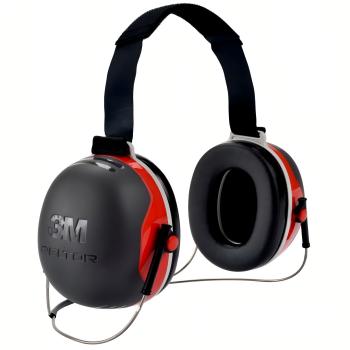
Hearing protection plays a crucial role in safeguarding auditory health. Approximately 30 million U.S. workers face hazardous noise levels at work. Environments such as construction sites, factories, and concerts often require hearing protection. Noise-induced hearing loss affects at least 10 million people in the United States. Exposure to loud sounds can cause irreversible damage to the inner ear. Proper use of hearing protection can prevent such damage and maintain long-term hearing health.
Understanding Noise Levels

What’s too loud?
Decibel levels and their impact
Noise levels are measured in decibels (dB). Sounds at 70 dB pose minimal risk to hearing. However, exposure to sounds at 85 dB or higher can cause hearing damage. For instance, a lawnmower typically operates at around 90 dB. Prolonged exposure to such noise levels can lead to hearing loss. Sounds at 120 dB may cause immediate discomfort. At 140 dB, the noise reaches the threshold of pain.
Common sources of harmful noise
Many everyday environments contain harmful noise levels. Construction sites often have noise levels exceeding 100 dB. Concerts can reach up to 110 dB, similar to the sound of a jackhammer. Factories and industrial settings also expose workers to high decibel levels. Even personal listening devices can produce harmful noise if used at high volumes.
Health implications of loud noise
Short-term effects
Exposure to loud noise can cause immediate health effects. Temporary hearing loss is common after exposure to high decibel levels. Ringing in the ears, known as tinnitus, often occurs. Loud noises can also cause physical discomfort and stress.
Long-term effects
Long-term exposure to loud noise has serious health implications. Continuous exposure to sounds above 85 dB can lead to permanent hearing loss. Damage to the inner ear accumulates over time. Musicians, for example, face a higher risk of noise-induced hearing loss (NIHL) due to prolonged exposure to high decibel levels. Chronic exposure to loud noise can also contribute to cardiovascular issues and increased stress levels.
Types of Hearing Protection

Earplugs
Earplugs provide effective hearing protection by fitting directly into the ear canal. These devices come in various forms, including foam and custom-molded options.
Foam earplugs
Foam earplugs are soft and pliable. Users compress these earplugs before inserting them into the ear canal. Once inside, the foam expands to create a snug fit. Foam earplugs are widely available in drug stores and grocery stores. They offer disposable and reusable options. Foam earplugs provide excellent noise reduction, making them suitable for various noisy environments.
Custom-molded earplugs
Custom-molded earplugs are tailored to fit an individual’s ear shape. An audiologist or hearing healthcare professional creates these earplugs. Custom-molded earplugs offer a more comfortable and secure fit compared to standard foam earplugs. These earplugs are ideal for long-term use and provide superior hearing protection.
Earmuffs
Earmuffs cover the entire outer ear to block out noise. These devices consist of sound-attenuating material and soft ear cushions. A banded strap connects the muffs, ensuring a secure fit.
Standard earmuffs
Standard earmuffs provide reliable hearing protection in various settings. These earmuffs are easy to use and can be worn over the head. Standard earmuffs are effective in reducing noise levels, making them suitable for construction sites, factories, and other noisy environments.
Electronic earmuffs
Electronic earmuffs offer advanced features for enhanced hearing protection. These earmuffs include electronic components that help users communicate in noisy environments. Some models can block impulsive noises while allowing ambient sounds to pass through. Electronic earmuffs provide a versatile solution for those needing both protection and communication capabilities.
Other protective devices
In addition to earplugs and earmuffs, other devices offer specialized hearing protection.
Noise-canceling headphones
Noise-canceling headphones use active noise control technology to reduce unwanted ambient sounds. These headphones are popular among travelers and office workers. Noise-canceling headphones provide a comfortable and effective way to protect hearing in moderately noisy environments.
Specialized hearing protection for musicians
Specialized hearing protection for musicians includes devices designed to protect against high decibel levels without compromising sound quality. Musicians often use custom-molded earplugs or in-ear monitors. These devices allow musicians to hear their performance clearly while protecting their hearing from loud instruments and amplifiers.
Choosing the Right Hearing Protection
Factors to consider
Noise level and environment
Selecting appropriate hearing protection depends on the noise level and environment. High-decibel areas like construction sites require robust protection. Environments with moderate noise levels, such as offices, may need less intensive solutions. Always assess the specific noise exposure before choosing a device.
Comfort and fit
Comfort and fit play crucial roles in the effectiveness of hearing protection. Ill-fitting devices can reduce protection and cause discomfort. Earplugs fit directly into the ear canal, offering maximum protection. However, some users find them uncomfortable or difficult to insert. Earmuffs cover the entire outer ear, providing a secure fit. Yet, earmuffs may cause discomfort in hot environments.
Comparing different types
Pros and cons of earplugs
Pros:
Maximum Protection: Earplugs offer superior noise reduction.
Portability: Small and easy to carry.
Variety: Available in foam and custom-molded options.
Cons:
Fit Issues: Not always easy to insert correctly.
Discomfort: Some users find them uncomfortable.
Hygiene: Requires regular cleaning to prevent ear infections.
Situational Awareness: Reduces the ability to hear important sounds around you.
Pros and cons of earmuffs
Pros:
Ease of Use: Simple to put on and take off.
Comfort: Generally more comfortable for extended wear.
Durability: Often more durable than earplugs.
Situational Awareness: Some models allow ambient sounds to pass through.
Cons:
Bulkiness: Larger and less portable than earplugs.
Heat Discomfort: Can cause discomfort in hot environments.
Less Effective: May not provide as much noise reduction as earplugs.
Choosing the right hearing protection involves considering both the environment and personal comfort. Each type has unique advantages and disadvantages. Proper selection ensures effective hearing protection and long-term auditory health.
Proper Use and Maintenance
How to wear hearing protection correctly
Inserting earplugs
Proper insertion of earplugs ensures maximum protection. Users must roll foam earplugs into a tight cylinder. The next step involves pulling the outer ear gently upward and outward. This action straightens the ear canal. Users then insert the compressed earplug into the ear canal. Holding the earplug in place for a few seconds allows it to expand and create a seal. Custom-molded earplugs require a different approach. Users should follow the specific instructions provided by the audiologist.
Adjusting earmuffs
Correct adjustment of earmuffs guarantees effective noise reduction. Users must place the earmuffs over the ears, ensuring that the cushions cover the entire outer ear. The headband should rest comfortably on top of the head. Adjusting the headband ensures a snug fit. Users must check for gaps between the cushions and the head. Any gaps can reduce the effectiveness of the earmuffs. Regularly checking the fit maintains optimal protection.
Maintenance tips
Cleaning earplugs and earmuffs
Regular cleaning of hearing protection devices extends their lifespan and maintains hygiene. Foam earplugs are often disposable. Users should replace them after each use. Reusable earplugs require gentle washing with mild soap and water. Allowing them to dry completely before reuse prevents ear infections. Custom-molded earplugs need careful cleaning as per the manufacturer’s instructions.
Earmuffs also require regular maintenance. Users should wipe the cushions with a damp cloth. Avoid using harsh chemicals that can damage the material. Inspecting the earmuffs for wear and tear ensures continued effectiveness. Replacing worn-out cushions maintains a proper seal.
When to replace hearing protection
Knowing when to replace hearing protection devices is crucial for maintaining safety. Foam earplugs should be discarded after each use. Reusable earplugs need replacement if they become stiff or discolored. Custom-molded earplugs may need replacement if they no longer fit properly.
Earmuffs also have a limited lifespan. Users should replace the cushions if they show signs of wear. A damaged headband can affect the fit and should be replaced. Regular inspection helps identify when replacement is necessary.
Proper use and maintenance of hearing protection devices ensure long-term auditory health. Following these guidelines maximizes the effectiveness of earplugs and earmuffs. Regular cleaning and timely replacement maintain optimal protection against harmful noise levels.
Hearing protection remains essential for preserving auditory health. Assessing noise exposure helps individuals select appropriate devices. Effective hearing protection prevents noise-induced hearing loss and other health issues. Maintaining proper use and regular maintenance ensures long-term benefits. SoundGear’s custom ear protection offers a reliable solution for those seeking personalized options. Prioritizing hearing health leads to a better quality of life.