
What is an Activated Carbon Respirator and How Does It Work?
An activated carbon respirator filters harmful particles, gases, and vapors from the air. These respirators play a crucial role in various industries such as manufacturing, healthcare, and construction. The activated carbon within the respirator adsorbs contaminants at a molecular level, ensuring cleaner and safer air for users. Activated carbon respirators are essential for protecting workers from volatile organic compounds (VOCs) and other toxic substances, enhancing workplace safety and compliance with occupational health regulations.
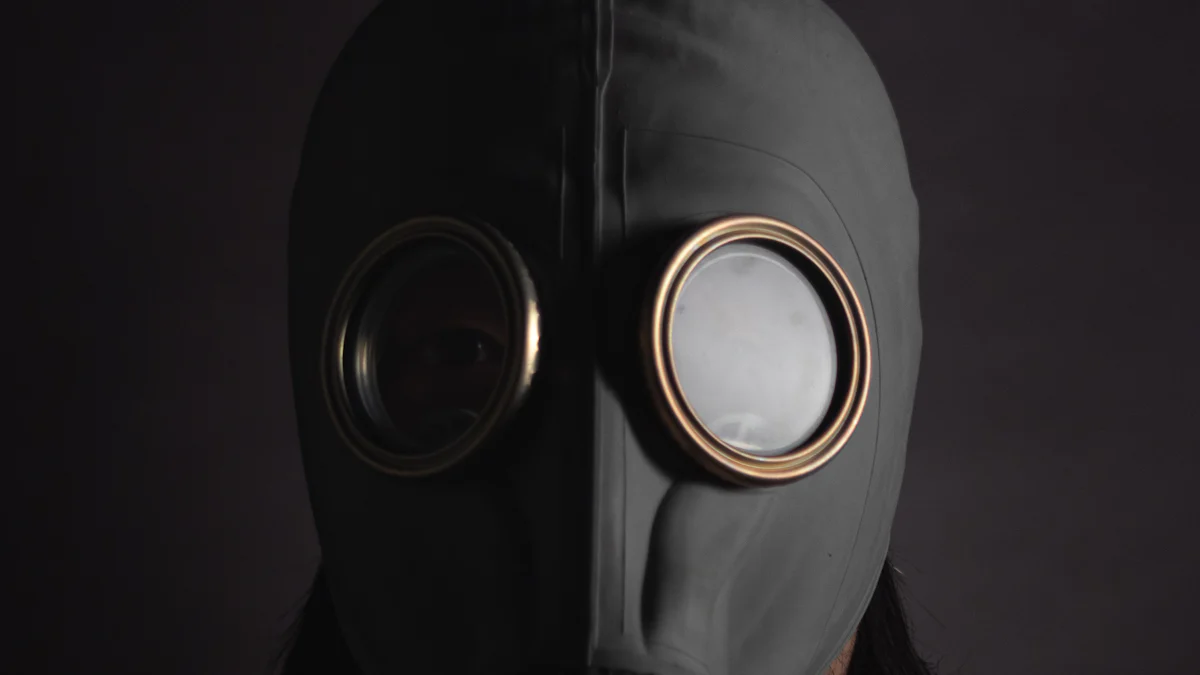
Understanding Activated Carbon Respirators
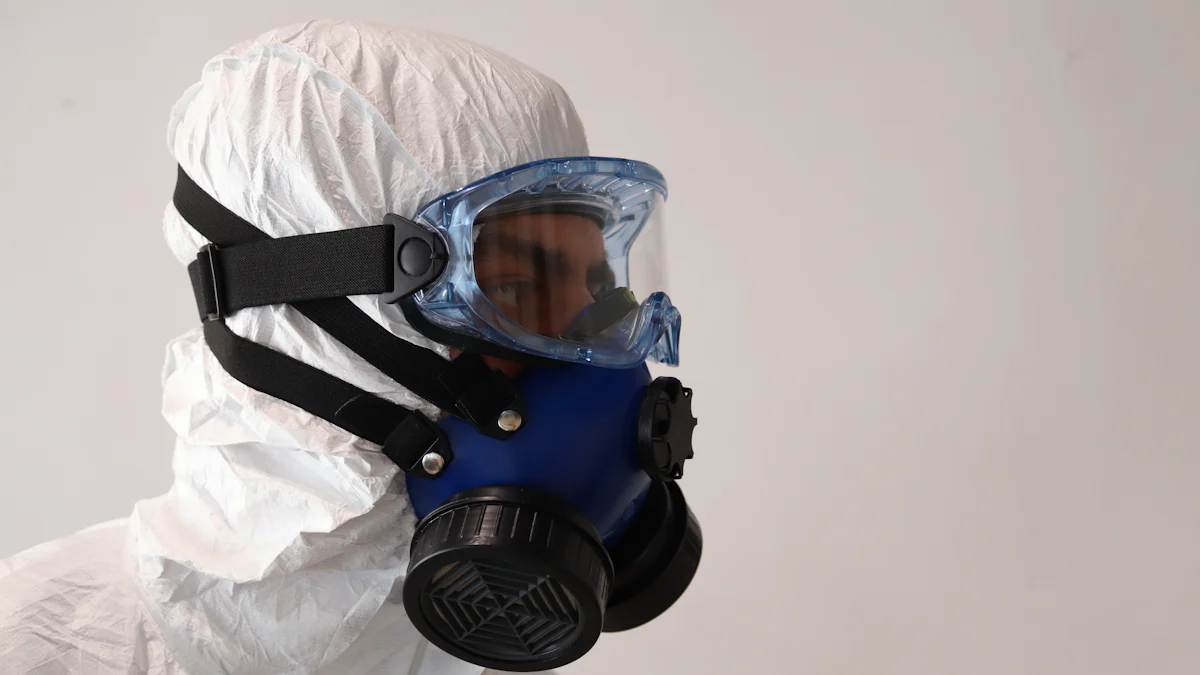
Definition and Components
What is Activated Carbon?
Activated carbon, also known as activated charcoal, is a form of carbon processed to have small, low-volume pores. These pores increase the surface area available for adsorption. The high surface area allows activated carbon to capture contaminants effectively. Activated carbon respirators utilize this property to filter harmful substances from the air.
Key Components of the Respirator
An activated carbon respirator consists of several key components:
-
- Facepiece: The part that covers the nose and mouth.
-
- Straps: These secure the respirator to the user’s head.
-
- Exhalation Valve: This allows exhaled air to exit the respirator.
-
- Filter Cartridge: Contains the activated carbon that adsorbs contaminants.
Types of Activated Carbon Respirators
Disposable vs. Reusable
Activated carbon respirators come in two main types: disposable and reusable.
-
- Disposable Respirators: These are designed for single-use. They are convenient and require no maintenance. However, they can become costly over time due to frequent replacements.
-
- Reusable Respirators: These have replaceable filter cartridges. They are more cost-effective in the long run. Users must maintain and clean them regularly to ensure effectiveness.
Full-face vs. Half-face
Activated carbon respirators also vary by the coverage they provide.
-
- Full-face Respirators: These cover the entire face, including the eyes. They offer comprehensive protection against airborne contaminants. Full-face respirators are ideal for environments with high levels of hazardous substances.
-
- Half-face Respirators: These cover only the nose and mouth. They are lighter and less bulky than full-face models. Half-face respirators are suitable for less hazardous environments.
How Activated Carbon Respirators Work
The Filtration Process
Adsorption Mechanism
Activated carbon respirators function through a process called adsorption. Adsorption involves the adhesion of gas or vapor molecules onto the surface of activated carbon. The large surface area of activated carbon, due to its porous structure, allows it to capture a significant amount of contaminants. Van der Waals forces facilitate the attraction between the contaminant molecules and the carbon surface.
Role of Activated Carbon
Activated carbon plays a crucial role in the filtration process. The material’s high surface area and porous nature make it highly effective at trapping harmful substances. Activated carbon respirators utilize this property to filter out gases, vapors, and odors from the air. The efficiency of the filtration depends on the quality and type of activated carbon used in the respirator cartridges.
Efficiency and Limitations
Factors Affecting Efficiency
Several factors influence the efficiency of an activated carbon respirator:
-
- Specific Surface Area: Higher surface areas provide more adsorption sites.
-
- Pore Size Distribution: Optimal pore sizes enhance the capture of specific contaminants.
-
- Contaminant Concentration: Higher concentrations may reduce breakthrough times.
-
- Environmental Conditions: Temperature and humidity can affect adsorption capacity.
A study published in the International Journal of Environmental Research and Public Health found that activated carbon fibers (ACF) with higher specific surface areas exhibited greater adsorption capacities. These ACF cartridges showed promising results for developing lighter and thinner respirators.
Common Limitations
Activated carbon respirators have some limitations:
-
- Limited Lifespan: The adsorption capacity of activated carbon decreases over time. Regular replacement of filter cartridges is necessary.
-
- Maintenance Requirements: Reusable respirators require proper cleaning and maintenance to ensure effectiveness.
-
- Specificity: Activated carbon respirators may not filter all types of contaminants. Users must select respirators designed for specific hazards.
Understanding these limitations helps users make informed decisions about respirator selection and maintenance.
Benefits of Using Activated Carbon Respirators
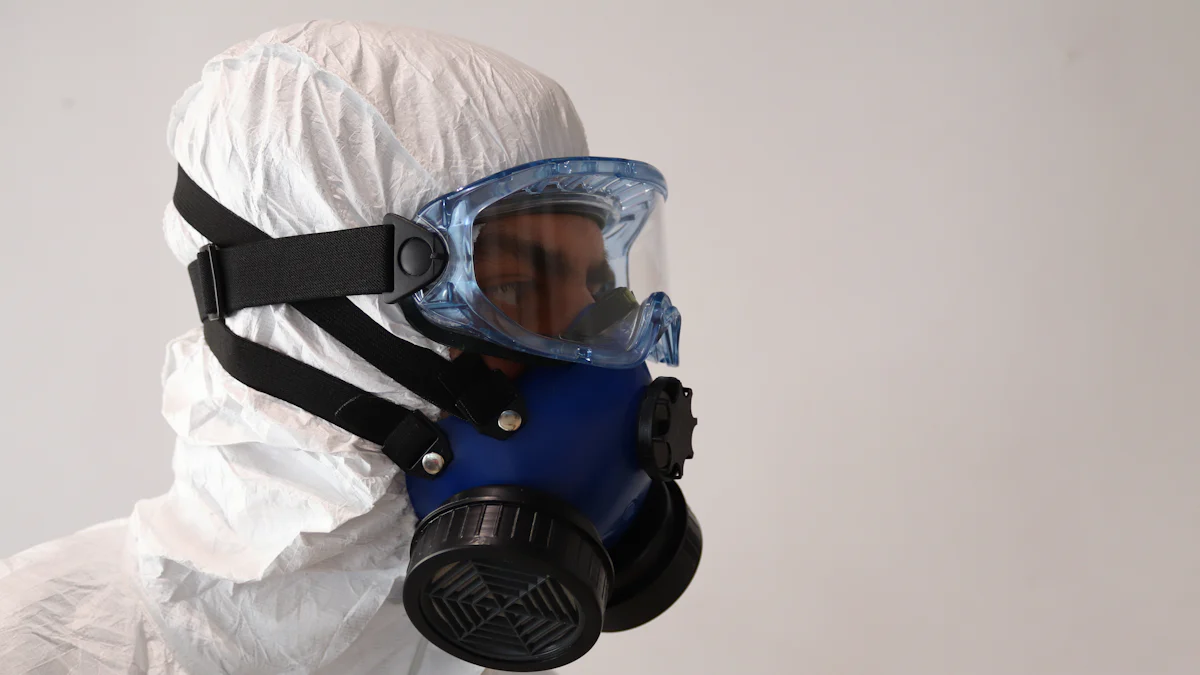
Health Benefits
Protection Against Harmful Substances
An activated carbon respirator provides robust protection against harmful substances. Workers in various industries face exposure to volatile organic compounds (VOCs), toxic gases, and vapors. The activated carbon within the respirator adsorbs these contaminants at a molecular level. This process ensures that users inhale cleaner air, reducing the risk of respiratory illnesses and long-term health issues.
Activated carbon respirators also offer protection against biological hazards. The respirators can effectively filter out viruses and bacteria, which is crucial in healthcare settings. By using an activated carbon respirator, healthcare professionals can safeguard themselves from airborne pathogens, enhancing their safety while treating patients.
Improved Air Quality
Improved air quality stands as another significant health benefit. Activated carbon respirators remove odors and gases from the air, creating a more pleasant and safer working environment. Workers in industries such as manufacturing and construction often encounter unpleasant and hazardous fumes. The respirators help mitigate these issues, leading to better overall air quality.
Enhanced air quality contributes to increased productivity and comfort. Workers can perform their tasks more efficiently without the distraction of foul odors or the discomfort of inhaling harmful gases. An activated carbon respirator thus plays a vital role in maintaining a healthy and productive workplace.
Practical Advantages
Ease of Use
Activated carbon respirators are designed for ease of use. Disposable models require no maintenance, making them convenient for short-term use. Users can simply discard the respirator after use, ensuring a hassle-free experience. Reusable models, on the other hand, come with replaceable filter cartridges. These models require regular cleaning and maintenance but offer long-term benefits.
The lightweight and ergonomic design of activated carbon respirators enhances user comfort. The facepiece fits snugly, providing a secure seal without causing discomfort. Adjustable straps ensure that the respirator stays in place, even during extended periods of use. This ease of use makes activated carbon respirators a practical choice for various applications.
Cost-effectiveness
Cost-effectiveness is another practical advantage of using an activated carbon respirator. While disposable respirators may incur higher costs over time due to frequent replacements, reusable models offer a more economical solution. Users can replace the filter cartridges as needed, reducing the overall cost of respiratory protection.
The longevity of reusable respirators adds to their cost-effectiveness. Proper maintenance and timely replacement of filter cartridges ensure that the respirator remains effective for an extended period. This durability makes activated carbon respirators a valuable investment for industries requiring consistent respiratory protection.
Drawbacks and Considerations
Potential Drawbacks
Limited Lifespan
An activated carbon respirator has a limited lifespan due to the finite adsorption capacity of the activated carbon. Over time, the pores in the activated carbon become saturated with contaminants. This saturation reduces the respirator’s effectiveness. Regular replacement of filter cartridges is necessary to maintain optimal performance. Studies have shown that activated carbon fibers (ACF) with higher specific surface areas exhibit greater adsorption capacities. However, even these advanced materials require periodic replacement.
Maintenance Requirements
Reusable activated carbon respirators demand regular maintenance to ensure continued effectiveness. Users must clean the facepiece and replace the filter cartridges as needed. Neglecting maintenance can lead to reduced filtration efficiency and potential exposure to harmful substances. Proper storage of the respirator also plays a crucial role in maintaining its functionality. Users should store the respirator in a clean, dry place when not in use to prevent contamination and damage.
Considerations for Use
Proper Fit and Usage
Ensuring a proper fit is essential for the effectiveness of an activated carbon respirator. A secure seal between the facepiece and the user’s face prevents contaminants from bypassing the filter. Users should follow the manufacturer’s instructions for fitting and adjusting the respirator. Regular fit testing can help verify that the respirator provides adequate protection. Inappropriate usage or poor fit can compromise the respirator’s performance, putting the user at risk.
Storage and Care
Proper storage and care are vital for maintaining the longevity and effectiveness of an activated carbon respirator. Users should store the respirator in a clean, dry environment away from direct sunlight and extreme temperatures. Exposure to moisture or chemicals can degrade the activated carbon and reduce its adsorption capacity. Regular inspection of the respirator for signs of wear and tear can help identify issues before they compromise safety. Users should replace any damaged components promptly to ensure continued protection.
Practical Advice and FAQs
Choosing the Right Respirator
Factors to Consider
Selecting an activated carbon respirator involves evaluating several key factors. First, assess the specific contaminants present in the environment. Different respirators are designed to filter various substances. Ensure the chosen respirator matches the specific hazards. Second, consider the duration of exposure. Longer exposure times may require respirators with higher adsorption capacities or replaceable filter cartridges. Third, evaluate the fit and comfort. A secure seal is crucial for effective protection. Test the respirator to ensure it fits properly and provides comfort during extended use.
Common Mistakes to Avoid
Avoid common mistakes when choosing an activated carbon respirator. Do not select a respirator without verifying its suitability for the specific contaminants. Using an inappropriate respirator can lead to inadequate protection. Neglecting fit testing can compromise the respirator’s effectiveness. Always perform a fit test to ensure a proper seal. Failing to replace filter cartridges regularly can reduce the respirator’s efficiency. Follow the manufacturer’s guidelines for replacement intervals. Lastly, improper storage can degrade the activated carbon. Store the respirator in a clean, dry place to maintain its functionality.
Frequently Asked Questions
How often should I replace the filter?
The frequency of filter replacement depends on several factors. The concentration of contaminants in the environment plays a significant role. Higher concentrations may saturate the filter more quickly. The type of activated carbon respirator also influences replacement intervals. Disposable respirators require replacement after each use. Reusable respirators with replaceable cartridges need regular monitoring. Inspect the filter for signs of saturation or reduced airflow. Replace the filter immediately if any signs of degradation appear. Always follow the manufacturer’s recommendations for specific replacement schedules.
Can I use an activated carbon respirator for all types of pollutants?
Activated carbon respirators are effective against a wide range of gases and vapors. However, they may not filter all types of pollutants. These respirators excel at adsorbing volatile organic compounds (VOCs) and odors. For particulate matter, such as dust or biological agents, additional filters may be necessary. Some respirators combine activated carbon with particulate filters for comprehensive protection. Always verify the respirator’s specifications to ensure it meets the requirements for the specific pollutants present in the environment.
Activated carbon respirators provide essential protection against harmful gases and vapors. These respirators play a crucial role in maintaining workplace safety. The use of activated carbon ensures effective adsorption of contaminants, enhancing air quality and user health.
The importance of selecting the right respirator cannot be overstated. Personal needs and specific environmental hazards must guide the choice. Proper fit and regular maintenance are vital for optimal performance.
For further information, consult experts or explore additional resources. Protecting health and safety should always be a priority.