
What are the protection and safety of welding?
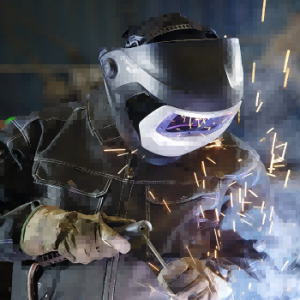
Welding Protection plays a vital role in various industries, including construction, automotive, and manufacturing. However, welding involves significant risks and hazards. Workers face dangers such as burns, electric shocks, and exposure to toxic fumes. Statistics reveal that more than 560,000 workers suffer injuries from welding accidents annually. The Bureau of Labor Statistics reports approximately 150 deaths each year due to welding-related incidents. These alarming figures underscore the necessity of stringent safety measures and protocols. Implementing comprehensive safety procedures and using proper Personal Protective Equipment (PPE) like helmets, gloves, jackets or aprons, boots, HEPA-filtered or supplied-air respirators, hearing protection like earmuffs or earplugs, and safety glasses or goggles ensures worker safety and enhances the quality of welds.
Welding Protection: Personal Protective Equipment (PPE)
Welding Protection for Head and Face
Welding Helmets
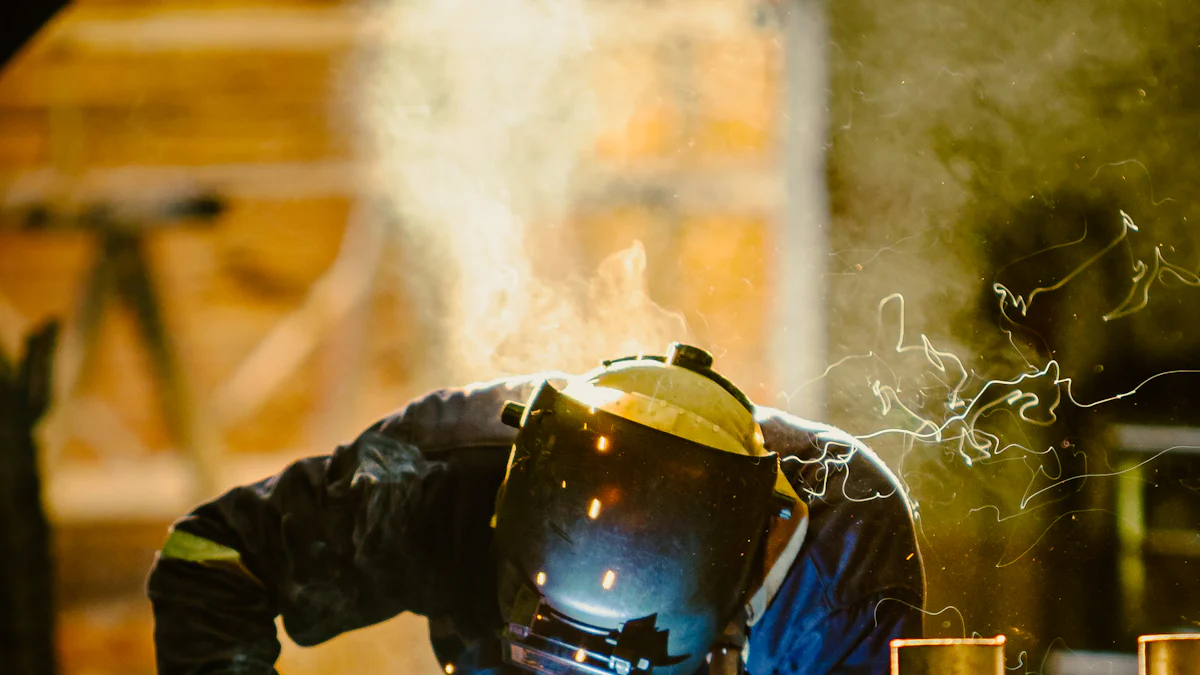
Welding helmets serve as a crucial element of welding protection. These helmets shield the face from harmful UV radiation, hot metal, sparks, and flying particles. Helmets must fit tightly and feature an opaque design to block UV rays. Modern helmets use lighter materials, reducing fatigue and increasing comfort. Auto-darkening helmets offer additional convenience by adjusting the shade level automatically based on the intensity of the light. Helmets should comply with ANSI Z87.1-2003 standards.
Safety Goggles and Face Shields
Safety goggles and face shields provide essential eye and face protection during welding tasks. Goggles protect against intense light and infrared radiation. A minimum shade number of 5 is recommended for oxy-fuel welding and cutting. Face shields offer an extra layer of protection against flying debris and chemical vapors. Both safety goggles and face shields should meet ANSI Z87.1-1989 standards to ensure adequate protection.
Respiratory Protection
Types of Respirators
Respiratory protection is vital in environments with toxic fumes and airborne particles. Welders can choose between HEPA-filtered respirators and supplied-air respirators. HEPA-filtered respirators filter out harmful particles from the air, while supplied-air respirators provide clean air from an external source. The choice of respirator depends on the specific hazards present in the welding environment.
Proper Fit and Maintenance
Proper fit and maintenance of respirators are critical for effective protection. Respirators must fit snugly to prevent leakage of contaminated air. Regular inspection and cleaning ensure that respirators function correctly. Workers should replace filters and other components as needed to maintain optimal performance.
Hand and Body Protection
Welding Gloves
Welding gloves protect hands from burns, cuts, and electric shocks. Gloves should be made of durable materials like leather to withstand high temperatures and mechanical wear. Gauntlet-style gloves offer additional protection for the wrists and lower arms. Gloves must fit well to allow dexterity while providing adequate protection.
Protective Clothing and Aprons
Protective clothing and aprons safeguard the body from hot metal, sparks, and slag. Flame-resistant materials like leather or specialized fabrics are ideal for welding attire. Welders should wear long-sleeved shirts, pants without cuffs, and welding aprons to cover the torso and legs. Cotton welding caps or doo-rags protect the head and neck from splatter. Avoid synthetic materials like polyester, which can melt and cause severe burns.
Foot Protection
Safety Boots
Safety boots are essential for welding protection. These boots shield the feet from hot metal, sparks, and heavy objects. Boots made from durable materials like leather provide excellent resistance to heat and mechanical wear. Steel-toe caps offer additional protection against falling objects. The American National Standards Institute (ANSI) sets standards for safety boots, ensuring they meet rigorous safety requirements.
Importance of Non-slip Soles
Non-slip soles play a critical role in welding protection. Welding environments often have slippery surfaces due to oil, water, or other substances. Non-slip soles reduce the risk of slips and falls, enhancing worker safety. Soles with deep treads provide better grip and stability. Ensuring that safety boots feature non-slip soles can prevent accidents and injuries in the workplace.
Safety Protocols and Best Practices
Workspace Preparation
Ventilation and Fume Extraction
Proper ventilation and fume extraction are crucial for Welding Protection. Welding processes generate hazardous fumes and gases. These can pose serious health risks to welders. Effective ventilation systems remove harmful contaminants from the air. Local exhaust ventilation (LEV) systems capture fumes at the source. This prevents the spread of toxic substances. Welders should also use portable fume extractors in confined spaces. Regular maintenance of ventilation systems ensures their efficiency.
Fire Safety Measures
Fire safety measures are essential in welding environments. Sparks and hot metal can easily ignite flammable materials. Designated welding areas should be free of combustible items. Fire-resistant curtains or screens can contain sparks. Fire extinguishers must be readily accessible. Workers should receive training on fire emergency procedures. Regular fire drills reinforce these protocols. Proper storage of gas cylinders and flammable liquids reduces fire risks.
Equipment Maintenance
Regular Inspection and Servicing
Regular inspection and servicing of welding equipment enhance Welding Protection. Equipment should be checked before each use. Inspect cables, hoses, and connections for wear and damage. Faulty equipment can lead to accidents. Scheduled servicing by qualified technicians ensures optimal performance. Keeping a maintenance log helps track service history. This proactive approach minimizes unexpected failures.
Safe Handling and Storage
Safe handling and storage of welding equipment are vital. Store equipment in designated areas. Keep tools and accessories organized. Proper storage prevents damage and prolongs equipment life. Handle gas cylinders with care. Secure them upright to prevent tipping. Use appropriate lifting techniques to avoid injuries. Following these practices ensures a safe and efficient workspace.
Training and Certification
Importance of Proper Training
Proper training is fundamental for Welding Protection. Training programs educate workers on safety protocols. They cover the correct use of personal protective equipment (PPE). Practical sessions provide hands-on experience. Training reduces the likelihood of accidents. Employers should invest in comprehensive training programs. Continuous education keeps workers updated on new safety standards.
Certification Requirements
Certification requirements validate a welder’s competence. Certified welders demonstrate adherence to industry standards. Certification programs assess theoretical knowledge and practical skills. Organizations like the American Welding Society (AWS) offer recognized certifications. Certified welders contribute to a safer work environment. Employers should encourage certification for all welding personnel.
Common Hazards in Welding
Electrical Hazards
Risks of Electric Shock
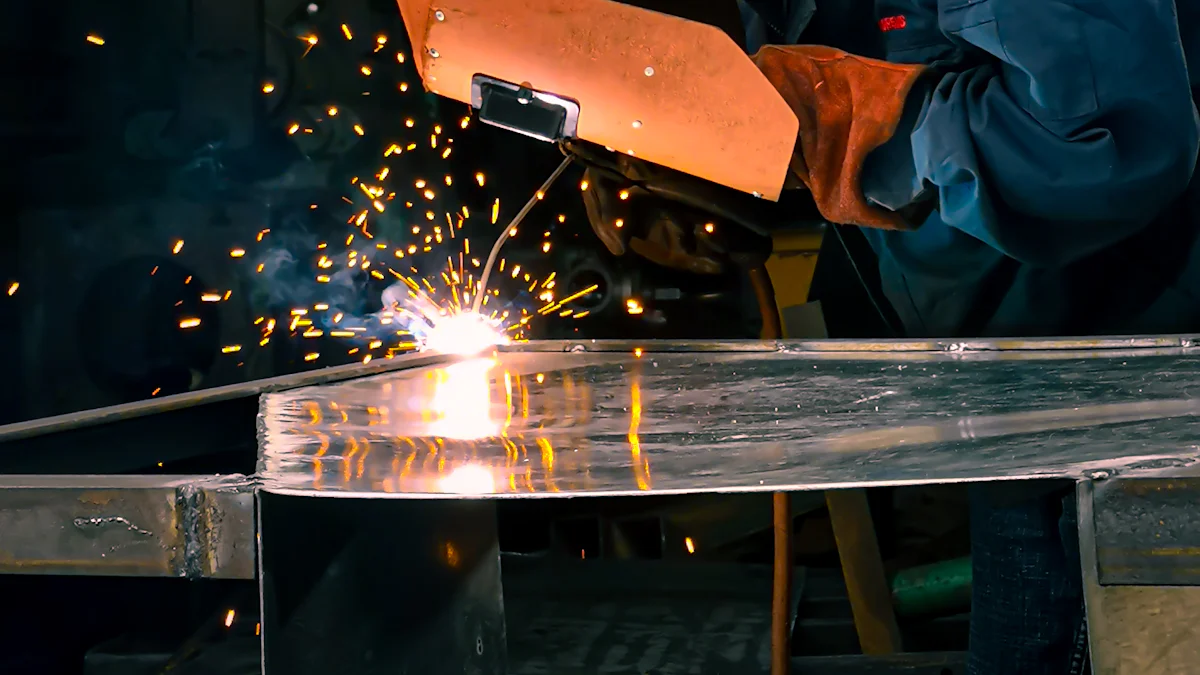
Electric shock poses a significant risk in welding environments. Welders often work with high-voltage equipment. Contact with live electrical parts can cause severe injuries or fatalities. Moisture and improper grounding increase the likelihood of electric shock. Employers must ensure that all electrical equipment meets safety standards.
Preventive Measures
Preventive measures reduce the risk of electric shock. Welders should inspect equipment for damage before use. Proper grounding of welding machines is essential. Insulated gloves and boots provide additional protection. Training programs should emphasize electrical safety protocols. Regular maintenance of equipment ensures safe operation.
Chemical Hazards
Exposure to Toxic Fumes
Welding processes generate toxic fumes and gases. Inhalation of these substances can lead to serious health issues. Manganese, hexavalent chromium, and ozone are common hazardous byproducts. Long-term exposure increases the risk of respiratory diseases and cancer. Effective ventilation systems mitigate these risks.
Safe Handling of Chemicals
Safe handling of chemicals is crucial in welding environments. Welders should use appropriate personal protective equipment (PPE). Employers must provide training on the safe use of chemicals. Proper storage of hazardous materials minimizes the risk of exposure. Regular monitoring of air quality ensures a safe workspace.
Physical Hazards
Burns and UV Radiation
Burns and UV radiation are common physical hazards in welding. Hot metal and sparks can cause severe burns. UV radiation from the welding arc can damage the skin and eyes. Welders must wear flame-resistant clothing and welding helmets. Safety goggles protect the eyes from UV radiation and flying debris.
Noise and Vibration
Noise and vibration present additional hazards in welding environments. Prolonged exposure to loud noises can result in hearing loss. Vibrations from welding tools can cause hand-arm vibration syndrome (HAVS). Welders should use ear protection like earmuffs or earplugs. Anti-vibration gloves reduce the impact of tool vibrations. Employers must conduct regular noise assessments to ensure compliance with safety standards.
Welding safety holds paramount importance in protecting workers and ensuring high-quality work. Adhering to established safety protocols and using proper Personal Protective Equipment (PPE) significantly reduces the risk of accidents. Employers must foster a culture of safety by providing comprehensive training and maintaining rigorous safety standards. Promoting a safe welding environment not only safeguards health but also enhances productivity and compliance with industry regulations.