
Welding Respirator: How Can You Protect Yourself From Welding Fumes?
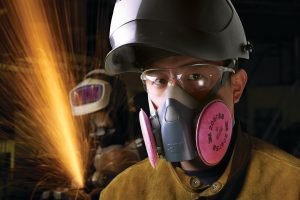
Welding involves the fusion of metals, generating fumes that pose significant health risks. Exposure to these fumes can lead to serious conditions like lung cancer and neurological issues. Understanding these risks is crucial for ensuring your safety. Effective welding protection begins with using the right equipment. The 3M 2097 Particulate Mold Filter P100 offers superior protection against harmful fumes. This disposable mask serves as a reliable lead fume respirator, ensuring your safety in hazardous environments. Prioritizing safety measures with the 3M 2097 enhances your well-being during welding tasks.
Understanding Welding Fumes
Composition of Welding Fumes
Welding produces fumes that contain a mix of metals and metallic oxides. Common elements in these fumes include nickel, chromium, and manganese. Nickel and chromium are known carcinogens. Manganese exposure can lead to neurological issues similar to Parkinson’s disease. The fumes also contain silicates and fluorides, which pose additional health risks.
Galvanized steel welding presents specific dangers. Zinc fumes from galvanized steel can cause metal fume fever. This condition leads to flu-like symptoms such as fever, chills, and nausea. Welders must take precautions when working with galvanized materials. Proper respiratory protection is essential for safety.
Health Risks of Welding Fumes
Welding fumes pose significant health risks. Short-term exposure can cause irritation of the eyes, nose, and throat. Welders may experience dizziness and nausea. Metal fume fever is another short-term effect. This condition results from inhaling zinc fumes during welding. Symptoms resemble those of the flu.
Long-term exposure to welding fumes leads to more severe consequences. Chronic exposure can result in respiratory diseases like asthma and COPD. Studies have linked welding fumes to lung cancer. The International Agency for Research on Cancer classifies welding fumes as carcinogenic. Neurological effects are also a concern. Manganese exposure can damage the nervous system, leading to tremors and balance issues.
Scientific Research Findings:
- Health Effects of Welding: Welding fumes may increase the risk of lung cancer and nervous system damage.
- Welding Health Risks: Chronic exposure can lead to respiratory issues like asthma and pneumonia.
- Neurological and Neurobehavioral Health Effects of Welding: Exposure to metals like manganese can impair neurological health.
Welders must prioritize safety to minimize these risks. Respirators and proper ventilation are crucial. Regular safety checks ensure that equipment functions correctly. Welders should stay informed about the latest safety guidelines. Continuous education helps maintain a safe work environment.
Protective Measures Against Welding Fumes
Importance of Using a Welding Respirator
Welding tasks generate hazardous fumes. These fumes contain harmful chemicals and metallic particles. Welding Protection requires effective respiratory equipment. The 3M 2097 is a top choice for welders. This Disposable Mask provides excellent protection against welding fumes. The 3M 2097 offers a P100 rating. This rating ensures 99.97% filtration efficiency. The filter protects against both oil and non-oil based particles. Welders benefit from using this Lead Fume Respirator.
Several types of respirators suit welding needs. Half-face and full-face respirators are common. The 3M 2097 fits both types. Proper fitting is crucial for maximum safety. Ensure the respirator forms a tight seal around the face. Regular maintenance keeps the respirator effective. Replace filters as needed to maintain protection. Clean the respirator after each use to remove residue. A well-maintained respirator enhances Worksite Safety.
Additional Safety Equipment
Ventilation systems play a vital role in Welding Protection. These systems reduce the concentration of fumes. Local exhaust ventilation captures fumes at the source. General ventilation maintains good air quality in the workspace. Proper ventilation complements the use of respirators. Together, they provide comprehensive protection against welding fumes.
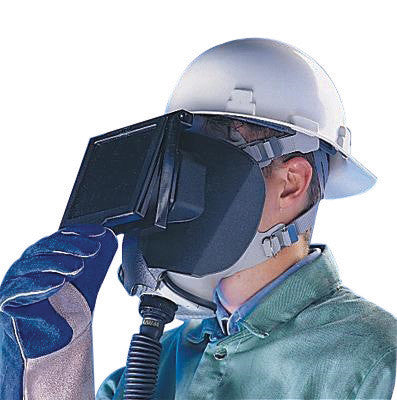
Protective clothing and gear are essential for welders. Flame-resistant clothing shields against sparks and heat. Gloves protect hands from burns and Chemical Hazards. Helmets with face shields guard against flying debris. Steel-toed boots prevent injuries from Falls From Heights. Welders should wear ear protection to avoid hearing damage. Comprehensive protective gear ensures Insect Safety on the job.
Safety measures extend beyond personal protection. Welders must stay informed about potential risks. Chemical Spill Safety is crucial in environments with hazardous materials. Awareness of Dangers of Energy Drinks helps maintain focus and alertness. Avoid consuming energy drinks before welding tasks. Staying hydrated with water promotes better concentration. Safety meetings reinforce the importance of these practices. Regular training updates welders on the latest Safety protocols.
Practical Tips for Safe Welding Practices
Pre-Welding Safety Checks
Inspecting Equipment and Workspace
Inspect all welding equipment before starting any task. Ensure that welding machines function properly. Check cables and connections for wear or damage. Verify that tools are in good condition. A well-maintained workspace reduces the risk of accidents. Clear any clutter from the area. Remove flammable materials to prevent fires. Organize tools and equipment for easy access. A clean workspace enhances safety and efficiency.
Ensuring Proper Ventilation
Proper ventilation is crucial for welding safety. Set up local exhaust systems to capture fumes at the source. Use fans to maintain airflow in the workspace. Ensure that ventilation systems operate effectively. Regularly check and clean filters to maintain performance. Good ventilation minimizes exposure to harmful fumes. This practice protects your health during welding tasks.
During Welding Safety Measures
Maintaining a Safe Distance
Maintain a safe distance from the welding arc. Position yourself to avoid direct exposure to fumes. Use welding curtains to shield others from sparks and light. Ensure that bystanders stay clear of the welding area. A safe distance reduces the risk of burns and eye injuries. Proper positioning enhances personal safety during welding.
Monitoring Air Quality
Monitor air quality continuously while welding. Use air quality meters to detect harmful levels of fumes. Adjust ventilation systems as needed to improve air quality. Take breaks if fume levels become too high. Regular monitoring ensures a safe working environment. Protect your health by staying aware of air quality conditions.
Weekly Safety Meeting and Resources
Importance of Regular Safety Meetings
Regular safety meetings play a crucial role in maintaining a safe welding environment. These meetings provide an opportunity to discuss essential safety tips and practices. Welders can learn about the latest advancements in welding protection, including the use of the 3M 2097 respirator. The meetings also emphasize the importance of using a lead fume respirator to protect against harmful fumes.
During these meetings, you should cover various topics to enhance safety awareness. Discuss the proper use of disposable masks and the significance of the P100 rating for filtration efficiency. Highlight the importance of static electricity safety and tryout safety. Encourage welders to share their experiences and safety tips. This collaborative approach fosters a culture of safety within the workplace.
Incorporating the Safety Matters Newsletter into your weekly safety meeting can provide valuable insights. The newsletter offers updates on safety regulations and best practices. It serves as a reliable resource for staying informed about industry standards. By integrating the newsletter, you ensure that everyone remains up-to-date with the latest safety information.
Downloadable Resources
Providing downloadable resources enhances the effectiveness of safety meetings. Guides and checklists for welders offer practical tips for maintaining a safe work environment. These resources cover topics such as equipment inspection, proper ventilation, and personal protective equipment. Accessing these materials allows welders to reinforce their knowledge and apply safety tips in their daily tasks.
Ensure that welders have easy access to the safety tip or meeting materials. Distribute these resources during the meetings or make them available online. Encourage welders to review the materials regularly to stay informed about safety protocols. The tip of the week can serve as a quick reminder of essential safety practices. Consistent reinforcement of safety measures helps reduce the risk of accidents and injuries.
By prioritizing regular safety meetings and providing valuable resources, you create a safer workplace for everyone. Emphasize the importance of welding protection and the use of the 3M 2097 respirator. Foster a proactive approach to safety by encouraging open communication and continuous learning. A commitment to safety ensures the well-being of welders and promotes a productive work environment.
Prioritize protection against welding fumes to ensure a safe work environment. Implementing safety measures shields you and those around you from potential hazards. Educate yourself on safety guidelines to make informed decisions. Accountability in following these guidelines is crucial for maintaining workplace safety. Utilize the downloadable resources provided to enhance your understanding of safety protocols. These materials offer valuable insights into effective protective measures. By prioritizing welding safety, you contribute to the well-being of everyone in the field.