
Valved N95 Respirators: Better for Breathing?
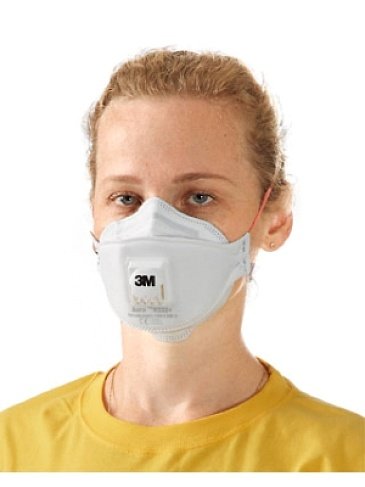
Valved N95 respirators offer a unique design that enhances breathing comfort. These respirators include an exhalation valve, which opens during exhalation to release air and closes during inhalation to ensure air passes through the filter. This design reduces resistance when breathing out and helps dissipate heat, making long-term wear more comfortable. However, valved N95 respirators differ from unvalved versions in their ability to control source emissions. While both types provide excellent protection for the wearer, unvalved respirators also filter exhaled air, offering better protection for those around the wearer.
Understanding Valved N95 Respirators
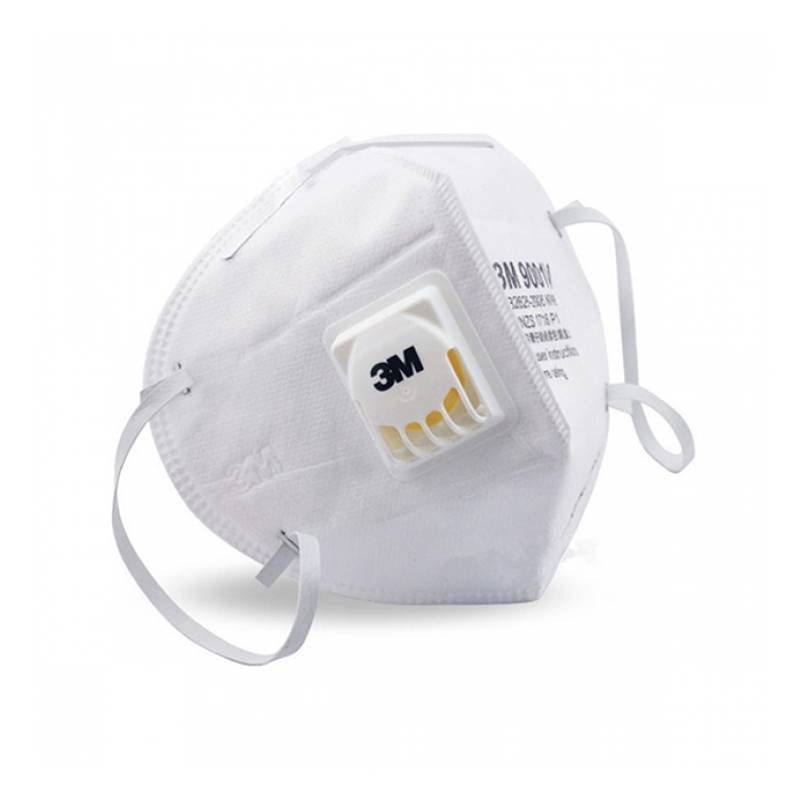
What are Valved N95 Respirators?
Design and Functionality
Valved N95 respirators feature a unique design. An exhalation valve opens during exhalation, allowing air to escape. This valve closes during inhalation, ensuring that air passes through the filter. The design reduces breathing resistance and enhances comfort. The valve’s purpose is to make the respirator more comfortable for extended wear.
Differences from Unvalved N95 Respirators
Unvalved N95 respirators filter both inhaled and exhaled air. This feature offers two-way protection. Valved N95 respirators focus on protecting the wearer. The exhalation valve allows unfiltered air to exit. Research indicates that valved N95 respirators may not provide reliable source control. Studies in ACS’ Environmental Science & Technology Letters highlight this variability.
Benefits of Valved N95 Respirators
Reduced Breathing Resistance
Valved N95 respirators reduce breathing resistance. The exhalation valve minimizes effort when exhaling. This feature makes breathing easier. Users experience less fatigue during prolonged use.
Decreased Heat Build-up
Heat build-up inside a respirator can cause discomfort. Valved N95 respirators address this issue. The valve allows heat to dissipate more effectively. This design keeps the interior cooler and more comfortable.
Protection Offered by Valved vs. Unvalved N95 Respirators
Protection for the Wearer
Filtration Efficiency
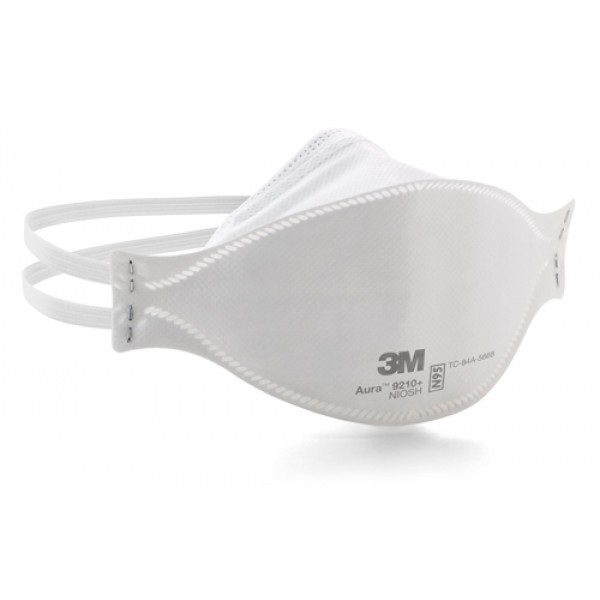
Valved N95 respirators provide effective protection for the wearer. The design ensures that inhaled air passes through the filter. Both valved and unvalved N95 respirators meet NIOSH standards for filtration efficiency. However, valved N95 respirators show variability in filtering exhaled particles. Unvalved N95 respirators consistently reduce emissions of respiratory particles. This consistency offers a reliable level of protection.
Comfort and Fit
Comfort plays a crucial role in respirator effectiveness. Valved N95 respirators enhance comfort by reducing breathing resistance. The exhalation valve minimizes heat build-up inside the mask. This feature allows for longer wear without discomfort. Proper fit remains essential for both types. A secure seal ensures that air passes through the filter. Users should always check the fit before use.
Protection for Others
Source Control Considerations
Source control refers to preventing respiratory particles from reaching others. Valved N95 respirators focus on wearer protection. The exhalation valve allows unfiltered air to escape. This design may not effectively prevent the spread of particles. Unvalved N95 respirators filter both inhaled and exhaled air. This feature provides better source control. Studies show that unvalved masks keep more respiratory particles from being emitted.
NIOSH and CDC Guidelines
NIOSH and CDC provide guidelines for respirator use. Valved N95 respirators offer the same protection to the wearer as unvalved ones. However, healthcare settings may require unvalved respirators. The CDC recommends unvalved options for better source control. In non-healthcare settings, valved N95 respirators may suffice. Users should consider the context when choosing a respirator.
Contextual Use of Valved N95 Respirators
Use in Healthcare Settings
Importance of Source Control
Healthcare settings demand strict source control. Unfiltered air can spread contaminants. Valved N95 respirators protect the wearer but may allow unfiltered air to escape. This poses a risk in environments with vulnerable patients. The CDC advises using unvalved respirators for better source control. Proper source control reduces the spread of respiratory particles.
Recommendations for Healthcare Workers
Healthcare workers should prioritize safety. Unvalved N95 respirators offer two-way protection. These respirators filter both inhaled and exhaled air. This feature ensures comprehensive protection. In high-risk areas, healthcare personnel may require additional protective measures. The CDC guidelines emphasize the need for effective source control. Proper fit and seal remain crucial for all respirators.
Use in Non-Healthcare Settings
General Public Use
Valved N95 respirators provide comfort for the general public. The design reduces breathing resistance. This makes them suitable for extended wear. However, unvalved options offer better protection for others. Public spaces benefit from source control. Users should consider the environment when choosing a respirator. Valved options may suffice in less crowded areas.
Occupational Use
Occupational settings vary in risk levels. Valved N95 respirators enhance comfort for workers. Jobs requiring long hours benefit from reduced heat build-up. However, source control remains important in shared spaces. Employers should assess workplace hazards. OSHA guidelines recommend appropriate respiratory protection. Workers must ensure a proper fit for maximum safety.
Valved N95 respirators enhance breathing comfort and reduce heat build-up. The exhalation valve allows easier exhalation, which benefits long-term wearers. However, unvalved N95 respirators provide better source control by filtering both inhaled and exhaled air.