
Understanding the Role of P100 Cartridges in Industry
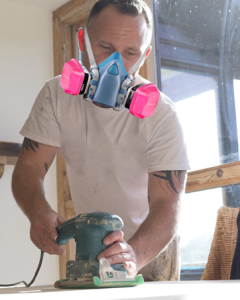
Respirator filters play a crucial role in ensuring industrial safety. These filters protect workers from harmful airborne particles. The P100 respirator filters stand out due to their high efficiency. They filter 99.97% of contaminants, surpassing other filter types. Industries rely on these filters for protection against dust, asbestos, and oil-based particles. The robust design of P100 filters makes them essential for personal protective equipment. Workers benefit from the reliable defense these filters provide in hazardous environments.
Classification and Efficiency of Respirator Filters
Understanding Filter Classifications
N, R, and P Series Explained
Respirator filters fall into three main series: N, R, and P. Each series serves a specific purpose in protecting against airborne particles. The N series filters are not resistant to oil. These filters work well in environments without oil aerosols. The R series filters offer some resistance to oil. These filters can be used for up to eight hours in oily environments. The P series filters provide strong oil resistance. These filters are suitable for prolonged use in oily conditions.
Oil Resistance Levels: N, R, P
Oil resistance plays a crucial role in filter selection. The N series filters lack oil resistance. These filters suit dry environments. The R series filters resist oil but have limited duration. These filters handle short-term exposure to oil. The P series filters excel in oil resistance. These filters ensure protection in oil-rich settings.
Efficiency Levels and Standards
95%, 99%, and 99.97% Efficiency
Respirator filters also differ in efficiency levels. The 95% efficiency filters remove 95% of airborne particles. These filters are effective against larger particles. The 99% efficiency filters capture 99% of particulates. These filters provide higher protection. The 99.97% efficiency filters, like P100, offer the highest level of protection. These filters block nearly all harmful particles, including those as small as 0.3 microns.
NIOSH Testing and International Equivalents
The National Institute for Occupational Safety and Health (NIOSH) sets rigorous standards for respirator filters. NIOSH testing ensures that filters meet specific efficiency criteria. Filters undergo tests for particle penetration and breathing resistance. International equivalents, such as the European P3 standard, align with NIOSH standards. These standards guarantee consistent protection across different regions.
The Significance of P100 Filters
Highest Level of Protection
Blocking 99.97% of Particles
P100 filters deliver the highest level of filtration efficiency available in the market. These filters capture a minimum of 99.97% of airborne particles. This capability includes both oil-based and non-oil-based particulates. The robust design ensures protection against hazardous materials such as dust, asbestos, and other fine particles. Industries with stringent safety requirements prioritize P100 filters for their unmatched performance.
Strong Oil Resistance
P100 filters exhibit strong oil resistance, making them ideal for environments with oil aerosols. The filters maintain effectiveness even in prolonged exposure to oily conditions. Workers in industries like construction, mining, and manufacturing benefit from this feature. The oil-resistant nature of P100 filters ensures consistent protection, reducing the risk of inhaling harmful substances.
Comparison with Other Filter Types
P100 vs. N95 and R95
P100 filters outperform N95 and R95 filters in several key areas. N95 filters capture at least 95% of particles but lack oil resistance. R95 filters offer some oil resistance but have a shorter service life than P100 filters. P100 filters provide superior filtration by capturing 99.97% of particles. This efficiency includes both oil and non-oil aerosols. The strong oil resistance of P100 filters enhances their suitability for diverse industrial applications.
International Standards: P3 Equivalent
International standards recognize the high efficiency of P100 filters. The European P3 standard serves as an equivalent to the P100 rating. Both standards ensure similar levels of protection against airborne particles. Industries across different regions rely on these standards for consistent safety measures. The alignment of P100 and P3 standards facilitates global recognition of their protective capabilities.
Applications of P100 Filters in Various Industries
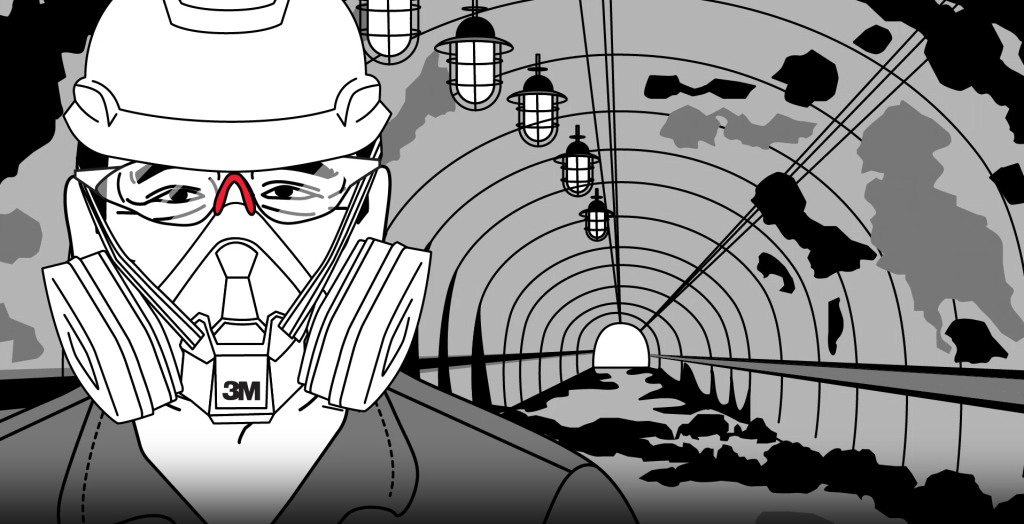
P100 filters are essential in various industries due to their high filtration efficiency and ability to protect against harmful particles. These filters are crucial for maintaining safety and health standards in workplaces. The following sections highlight their specific applications across different sectors.
Construction and Mining
In construction and mining, P100 filters play a critical role in protecting workers from hazardous substances. These environments often contain high levels of dust, silica, and other exposure to harmful particles. The robust design of P100 filters ensures that workers are shielded from these dangers.
- Silica Dust: A significant concern in construction and mining is silica dust. P100 filters effectively capture these fine particles, reducing the risk of respiratory diseases.
- Asbestos: Workers in these industries are at risk of exposure to asbestos fibers. P100 filters provide a reliable barrier, preventing inhalation and protecting health.
- Dust: The filters also protect against dust particles, ensuring a safer working environment.
Metalworking and Construction
In industries such as metalworking and construction, P100 filters are indispensable. They protect workers from harmful airborne particles, ensuring safety and compliance with health standards.
- Welding Fumes: P100 filters effectively capture harmful fumes generated during processes like welding, safeguarding workers’ respiratory health.
- Construction Dust: These filters protect against dust and debris, making them essential for construction sites.
- Metal Particulates: In environments where metal particles are present, P100 filters provide crucial protection.
Manufacturing and Food Processing
P100 filters are vital in manufacturing and food processing industries. They ensure a safe working environment by filtering out harmful particles.
- Fiberglass: Workers in industries dealing with fiberglass benefit from P100 filters, which protect against them from inhaling tiny particles.
- Lead: These filters are crucial in environments where lead is present, safeguarding workers from harmful exposure.
- Grain Dust: In food processing, P100 filters help protect workers from grain dust, ensuring a safe working environment.
Welding and Metalwork
In welding and metalworking industries, P100 filters are essential for protecting workers from harmful fumes and particles.
- ** protection**: These filters effectively capture smoke and fumes, ensuring a safe working environment.
- Dust and Particles: P100 filters protect against harmful dust and particles, ensuring worker safety.
Environmental Applications
Smoke and Ash Protection
P100 cartridges play a vital role in environmental applications, particularly in protecting against smoke and ash. These filters excel in capturing fine particles generated during wildfires or industrial processes. The robust design of P100 cartridges ensures effective filtration, safeguarding individuals from inhaling harmful substances present in smoke and ash.
Wildfires pose significant health risks due to the release of smoke and ash into the atmosphere. P100 cartridges offer a reliable solution for individuals exposed to these hazardous conditions. The high efficiency of P100 filters provides protection against particulate matter, including those as small as 0.3 microns. This capability makes P100 cartridges indispensable for emergency responders and residents in affected areas.
Industrial settings also benefit from the use of P100 cartridges. Processes such as metal smelting and waste incineration generate smoke and ash, posing respiratory hazards to workers. P100 cartridges ensure a safe working environment by filtering out these contaminants. Industries prioritize the use of P100 cartridges to comply with safety regulations and protect employee health.
The European Respiratory Classifications recognize the effectiveness of P100 cartridges in environmental applications. These classifications align with international standards, ensuring consistent protection across different regions. The European and Australian standards highlight the importance of using P100 cartridges for comprehensive respiratory protection.
Limitations and Considerations
Ineffectiveness Against Gases and Vapors
P100 respirator filters excel in capturing airborne particles. However, these filters do not provide protection against gases and vapors. Industries must consider this limitation when selecting respiratory protection. Workers exposed to gases require additional protective measures. RKI Instruments Single Gas detectors can help identify gas presence. Respirator Cartridges with activated carbon layers offer a solution. These cartridges complement P100 filters by absorbing harmful gases.
Not Suitable for Oxygen-Deficient Environments
P100 respirator filters do not supply oxygen. These filters are ineffective in oxygen-deficient environments. Workers must use supplied-air respirators in such conditions. Elastomeric Respirators with air supply systems ensure safety. The National Institute for Occupational Safety and Health (NIOSH) emphasizes this requirement. Industries must prioritize appropriate equipment for oxygen-deficient areas.
Importance of Proper Fit and Seal
A proper fit is crucial for P100 respirator filters to function effectively. An improper fit allows contaminants to bypass the filter. Fit Testing ensures that respirators seal correctly on the face. JSP Safety provides guidelines for conducting fit tests. Regular fit testing maintains the effectiveness of respiratory protection. Workers should perform fit checks before each use.
Ensuring Maximum Protection
Maximum protection requires a secure fit. JSP Safety Partnering with industry experts enhances fit testing protocols. Reusable Respirator Contracted services offer fit testing solutions. Technical Tip Thursday sessions educate workers on fit procedures. A well-fitted respirator maximizes particle protection. JSP emphasizes the importance of a proper fit for safety.
Use of Combination Cartridges
Combination cartridges enhance the versatility of P100 respirator filters. These cartridges combine particle and gas filtration capabilities. JSP Safety offers a range of combination cartridges for various applications. Reusable options reduce waste and cost over time. Elastomeric designs ensure durability and comfort.
Convenience and Replacement Needs
Combination cartridges provide convenience in diverse environments. JSP designs allow easy replacement of filter elements. Workers should monitor cartridge condition regularly. Safety Specialists recommend replacing clogged or damaged cartridges promptly. JSP advises following manufacturer guidelines for cartridge lifespan.
P100 cartridges play a crucial role in industrial safety. These filters offer unparalleled protection against harmful particles like asbestos, mold, and silica. The Centers for Disease Control and Prevention highlights the importance of selecting the right respirator filter for specific needs. P100 filters excel in environments with particulate hazards but lack protection against gases and vapors. Facility Safety Products must include options for comprehensive protection. Workers must not forget the limitations of P100 filters. Contact JSP Safety for guidance on respirator filter selection. Do not forget to replace filters regularly to maintain effectiveness.