
Respirators Used for Dust in Construction
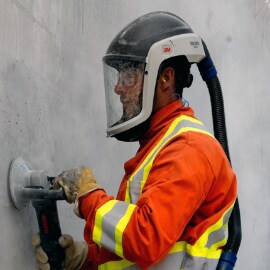
Construction workers face significant health risks from dust exposure. The Centers for Disease Control highlights that construction dust can lead to severe respiratory illnesses. Construction Safety measures must prioritize respiratory protection. Construction workers encounter hazardous materials like silica and asbestos. The Public Health Service reports that 28.6% of construction workers develop respiratory issues. Construction face masks are essential in mitigating these risks. CDR Elizabeth Garza, Director for Construction Safety, emphasizes the importance of proper respirator use. The Disease Control and Prevention agency sets guidelines for respirators used for dust in construction.
Understanding Dust Hazards in Construction
Types of Dust in Construction
Silica Dust
Silica dust poses a significant threat to construction workers. Workers often get exposed to silica dust during tasks like cutting, drilling, or sanding concrete. The NIOSH Office of Construction highlights the dangers associated with silica dust. Inhalation of silica dust can lead to severe health issues. Silicosis, a debilitating lung disease, results from prolonged exposure to silica dust. Workers exposed to silica dust may also face risks of lung cancer and chronic obstructive pulmonary disease (COPD). CAPT Alan Echt emphasizes the importance of minimizing exposure to silica dust.
Wood Dust
Wood dust emerges as a common byproduct in construction. Workers encounter wood dust during activities like sanding and cutting. Wood dust exposure can irritate the respiratory system. Long-term exposure to wood dust can increase the risk of nasal cancer. Proper dust control measures are essential for minimizing exposure to wood dust. The use of appropriate respirators can significantly reduce health risks.
Asbestos Dust
Asbestos dust presents a serious health hazard in construction. Workers exposed to asbestos dust face risks of asbestosis, mesothelioma, and lung cancer. Asbestos fibers, when inhaled, can cause long-term damage to the lungs. The NIOSH recommends strict adherence to safety guidelines to prevent exposure to asbestos dust. Employers must ensure the use of suitable respirators to protect workers from asbestos dust.
Health Risks Associated with Dust Exposure
Respiratory Issues
Exposure to construction dust leads to various respiratory issues. Workers often experience symptoms like coughing, wheezing, and shortness of breath. Concrete dust can exacerbate these symptoms. Prolonged exposure to dust can result in chronic respiratory conditions. The Dust Control Handbook provides guidelines for minimizing dust exposure. Proper dust control measures can help mitigate respiratory issues.
Long-term Health Effects
Long-term exposure to construction dust can have severe health consequences. Workers exposed to silica dust face increased risks of developing silicosis and lung cancer. Asbestos dust exposure can lead to asbestosis and mesothelioma. Concrete dust can contribute to reduced lung function and COPD. The NIOSH Office of Construction stresses the importance of using effective dust control strategies. Employers must prioritize worker safety by implementing comprehensive dust control measures.
Guide to Types of Respirators for Dust Protection
Disposable Respirators

Disposable respirators offer a convenient option for dust protection in construction. The Institute for Occupational Safety emphasizes the importance of selecting the right type of mask for specific tasks. NIOSH approval ensures that these masks meet safety standards.
N95 Masks
N95 masks provide effective filtration against airborne particles. Construction workers often use these face masks for protection against silica and wood dust. The Department of Health recommends N95 masks for tasks involving moderate dust exposure. These masks are lightweight and easy to wear, making them suitable for daily use.
P100 Masks
P100 masks offer higher filtration efficiency compared to N95 masks. The Health and Human Services department advises using P100 masks for environments with high dust concentrations. These masks effectively filter out 99.97% of airborne particles. P100 masks are ideal for tasks involving asbestos dust.
Reusable Respirators
Reusable respirators provide long-term protection and cost-effectiveness. The Department of Human Services highlights the durability of these masks.
Half-Face Respirators

Half-face respirators cover the nose and mouth, offering protection against dust and fumes. These reusable masks feature replaceable filters for extended use. The Institute for Occupational Safety recommends half-face respirators for tasks like sanding and cutting.
Full-Face Respirators
Full-face respirators provide comprehensive coverage, protecting the eyes and face. These reusable masks are essential for tasks involving harmful chemicals. The Department of Health suggests using full-face respirators for maximum safety.
Powered Air-Purifying Respirators (PAPRs)
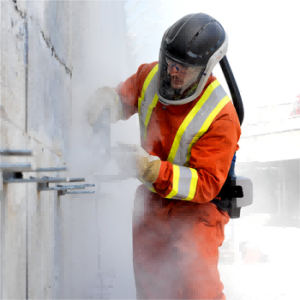
Powered Air-Purifying Respirators (PAPRs) offer advanced protection in high-dust environments. The Industrial Safety and Hygiene sector endorses PAPRs for their enhanced features.
Features and Benefits
PAPRs use a battery-powered fan to draw air through filters, reducing breathing resistance. These respirators provide comfort during extended use. The Department of Human Services highlights the ergonomic design of PAPRs.
Situations for Use
PAPRs are suitable for tasks requiring prolonged exposure to dust. The Institute for Occupational Safety recommends PAPRs for environments with high levels of silica dust. These respirators offer comprehensive protection, reducing the risk of respiratory issues.
Selecting the Right Respirator for Dust Control
Selecting the right respirator for dust control ensures worker safety. The Occupational Safety and Health Administration (OSHA) emphasizes the importance of choosing appropriate masks to protect workers from hazardous dust exposure. Proper selection involves understanding key factors that impact respirator effectiveness.
Factors to Consider
Fit and Comfort
Fit and comfort play a crucial role in respirator selection. Masks must fit snugly to prevent dust particles from entering. A proper fit enhances protection and ensures worker compliance. The Office of Construction Safety recommends conducting fit tests to verify the effectiveness of masks. Comfortable masks encourage workers to wear them consistently, providing continuous protection against harmful dust.
Filtration Efficiency
Filtration efficiency determines a respirator’s ability to filter out dust particles. The National Institute for Occupational Safety and Health (NIOSH) certifies masks based on their filtration capabilities. N95 masks offer 95% filtration efficiency, suitable for moderate dust exposure. P100 masks provide 99.97% efficiency, ideal for high-dust environments. Selecting masks with appropriate filters ensures maximum protection for workers.
Compliance with Safety Standards
OSHA Guidelines
Compliance with OSHA guidelines is essential for ensuring worker safety. OSHA 1910.134 outlines requirements for respirator use in construction. Employers must implement a written respiratory protection program. This program includes procedures for selecting, using, and maintaining respirators. Regular training ensures workers understand proper respirator use and maintenance.
“Employers must provide respirators when necessary to protect the health of employees.” – OSHA 1910.134
Industry Best Practices
Industry best practices enhance respirator effectiveness. The Office of Construction Safety advises using respirators with high filtration efficiency for silica dust. Regular maintenance and timely replacement of filters maintain respirator performance. Employers should encourage workers to browse products and view latest prices to ensure access to high-quality masks. Following best practices fosters a culture of safety and health in construction environments.
Proper Use and Maintenance of Respirators
Fitting and Wearing Respirators
Fit Testing Procedures
Proper fit testing ensures respirators provide optimal protection. Employers conduct fit tests to verify that masks seal correctly on workers’ faces. The Occupational Safety and Health Administration (OSHA) mandates fit testing before initial use. Workers must perform fit tests annually or whenever facial changes occur. Employers should follow the manufacturer’s instructions for specific fit testing procedures.
Seal Checks
Seal checks confirm that respirators maintain an effective seal during use. Workers perform seal checks each time they wear a respirator. A positive pressure check involves exhaling gently while blocking the exhalation valve. A negative pressure check requires inhaling sharply while covering the inhalation valves. Both checks ensure no air leaks around the mask edges. Regular seal checks enhance respirator performance and worker safety.
Cleaning and Storage
Cleaning Procedures
Regular cleaning maintains respirator hygiene and effectiveness. Employers should establish cleaning protocols based on manufacturer guidelines. Workers disassemble respirators and wash components with mild detergent and warm water. Rinse thoroughly to remove soap residue. Allow parts to air dry in a clean area. Avoid using harsh chemicals or solvents that may damage respirator materials.
Storage Recommendations
Proper storage extends respirator lifespan and ensures readiness for use. Store respirators in a clean, dry location away from direct sunlight and contaminants. Use airtight containers or resealable bags to prevent dust accumulation. Avoid placing heavy objects on stored respirators to prevent deformation. Regularly inspect stored respirators for signs of wear or damage before use.
Choosing the right respirator ensures worker safety in construction. Respirators prevent inhalation of harmful particles. Proper fit enhances respirator effectiveness. Fit testing verifies the seal and protection from contaminants. Following safety standards and guidelines is crucial. Compliance with OSHA guidelines maintains a safe work environment. Regular maintenance extends respirator lifespan. Employers must prioritize respirator use and maintenance. Worker safety depends on adherence to these practices. Construction environments require vigilance in respiratory protection. Investing in quality respirators fosters a healthier workforce.