
N95 respirator masks FAQs
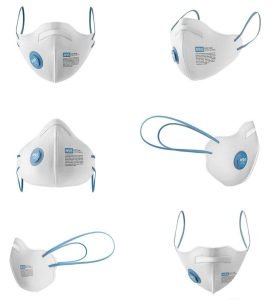
N95 respirator masks play a crucial role in safeguarding health. These masks filter out harmful particles from the air. Proper understanding of their use ensures maximum protection. Misuse can lead to ineffective results. Learning about limitations helps in making informed decisions. N95 respirator masks do not protect against gases or vapors. Users must fit the mask correctly for it to work effectively. Awareness of these factors enhances safety during exposure to hazardous conditions.
Understanding N95 Respirator Masks

What are N95 respirator masks?
Definition and purpose
N95 respirator masks serve as personal protective equipment. These masks filter airborne particles effectively. The design ensures a tight fit around the nose and mouth. The primary purpose involves protecting users from inhaling hazardous particles. N95 respirator masks prove essential in environments with dust, smoke, or biological particles.
How they differ from other masks
N95 respirator masks stand out due to their filtration efficiency. These masks filter at least 95% of airborne particles. Other masks, like surgical or cloth masks, offer less protection. Surgical masks primarily prevent the spread of droplets from the wearer. Cloth masks provide basic protection but lack the filtration capability of N95 respirator masks. The certification by the National Institute for Occupational Safety and Health (NIOSH) further distinguishes N95 respirator masks.
How do N95 respirator masks work?
Filtration mechanism
N95 respirator masks utilize a multi-layered filtration system. The layers trap particles as air passes through. Electrostatic charge within the mask attracts and captures particles. This mechanism enhances the mask’s ability to filter small particles. The design ensures that most particles, including those smaller than 0.3 micrometers, get trapped effectively.
Protection level against particles
N95 respirator masks provide a high level of protection. These masks filter out various particles, including dust, mists, and biological contaminants. The filtration efficiency reaches 95%, making them suitable for many hazardous environments. Users must ensure a proper fit to achieve maximum protection. A well-fitted N95 respirator mask prevents air leakage around the edges. This fit ensures that all inhaled air passes through the mask’s filtration system.
Usage and Limitations of N95 Respirator Masks
How should N95 respirator masks be worn?
Proper fitting techniques
N95 respirator masks require a snug fit to function effectively. Users must place the mask over the nose and mouth. The mask should sit comfortably against the face. Users need to adjust the straps for a secure fit. A tight seal prevents air from leaking around the edges. Each user should perform a fit check before entering hazardous environments. A proper fit ensures that all inhaled air passes through the mask’s filtration system.
Duration of use
N95 respirator masks have a limited duration of use. Users should wear the mask for a maximum of eight hours. The mask should be replaced if it becomes damaged or difficult to breathe through. Extended use can compromise the mask’s effectiveness. Users must monitor the condition of the mask during use. Regular replacement maintains optimal protection levels.
What are the limitations of N95 respirator masks?
Situations where they may not be effective
N95 respirator masks do not protect against gases or vapors. Users should avoid using these masks in environments with toxic gases. Confined spaces with low oxygen levels also pose a risk. The mask does not provide oxygen. Users should not rely on N95 respirator masks in such situations. The mask may offer a false sense of security if used incorrectly.
Comparison with other mask types
N95 respirator masks offer superior filtration compared to other masks. Surgical masks primarily prevent the spread of droplets from the wearer. Cloth masks provide basic protection but lack the efficiency of N95 respirator masks. Dust masks do not filter fine particles as effectively. N95 respirator masks filter at least 95% of airborne particles. The certification by the National Institute for Occupational Safety and Health (NIOSH) ensures reliability. Users should choose N95 respirator masks for high-risk environments.
Maintenance and Storage of N95 Respirator Masks

How to store N95 respirator masks properly?
Storage conditions
Proper storage of N95 respirator masks ensures their effectiveness. Store masks in a clean, dry place. Avoid exposure to direct sunlight or extreme temperatures. Keep masks away from chemicals that could cause damage. Use original packaging for storage when possible. This practice prevents contamination and deformation.
Reusability and disposal
Reusability of N95 respirator masks depends on their condition. Inspect masks for any signs of damage before reuse. Dispose of masks if they become soiled or damaged. Follow local guidelines for proper disposal. Place used masks in a sealed plastic bag before discarding. Wash hands thoroughly after handling used masks.
Can N95 respirator masks be reused?
Guidelines for reuse
Reusing N95 respirator masks requires careful consideration. Limit reuse to situations where masks remain uncontaminated. Rotate multiple masks to extend their lifespan. Allow masks to air-dry between uses. Avoid touching the inside of the mask during reuse. Follow manufacturer guidelines for specific reuse instructions.
Risks associated with reuse
Reusing N95 respirator masks carries certain risks. Contamination can occur if masks are not handled properly. Reduced filtration efficiency may result from repeated use. Breathing difficulties can arise if masks become clogged. Users should prioritize safety and replace masks as needed. Always assess the condition of masks before each use.
N95 respirator masks provide essential protection against airborne particles. You should understand the key points about their use and limitations. Proper fitting ensures maximum efficiency. N95 masks do not filter gases or vapors. Regular replacement maintains effectiveness. Proper storage prevents contamination. Reuse requires careful handling. N95 masks play a crucial role in health safety. Understanding their importance helps you make informed decisions. Always prioritize safety when using N95 respirator masks.