
How to Shield Your Respiratory System from Mold and Bleach

Mold and bleach pose significant health risks. Mold exposure can lead to allergic reactions, asthma, and other respiratory issues. Approximately 4.6 million asthma cases in the U.S. are linked to mold. Bleach vapors can irritate the eyes, skin, and lungs. Safety must be a priority when dealing with these substances. The use of appropriate protective gear is essential. Respiratory protection helps prevent inhalation of harmful particles. The Safety Team recommends using masks and gloves. Proper ventilation reduces exposure to bleach vapors. Augment your safety measures to protect your health.
Understanding Mold and Its Risks
What Is Mold?
Mold is a type of fungus that thrives in damp and humid environments. Mold spores are microscopic particles that float through the air, both indoors and outdoors. These spores can settle on surfaces and grow into colonies when moisture is present. Mold often appears as black, green, or white patches on walls, ceilings, and other surfaces.
Common Types of Mold
Several types of mold can invade homes. Black mold, also known as Stachybotrys chartarum, is notorious for its potential health risks. Aspergillus and Penicillium are other common molds found indoors. Each type of mold has unique characteristics and growth patterns.
Growth Conditions and Areas
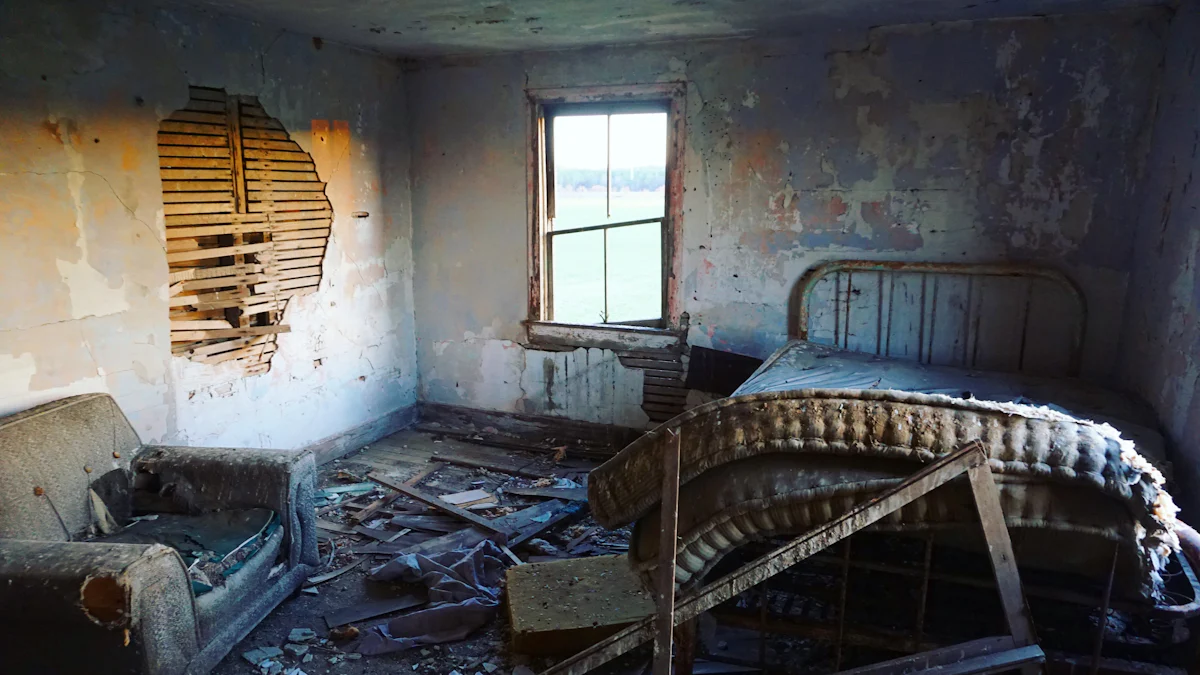
Mold requires moisture to grow. Flooded areas provide ideal conditions for mold development. A flooded home can become a breeding ground for mold if not properly dried. Mold often grows in bathrooms, kitchens, basements, and attics. Poor ventilation and high humidity levels contribute to mold growth.
Health Risks of Mold Exposure
Mold exposure poses significant health risks. Mold spores can cause allergic reactions and respiratory issues. Individuals with asthma may experience worsened symptoms due to mold exposure.
Symptoms and Reactions
Exposure to mold spores can lead to sneezing, coughing, and skin irritations. Some people may develop itchy eyes and a runny nose. Mold-related symptoms vary depending on the individual’s sensitivity.
Severe Reactions in Vulnerable Individuals
Vulnerable individuals face severe health risks from mold exposure. People with allergies, chronic respiratory diseases, or weakened immune systems are at higher risk. Toxic black mold can produce mycotoxins, leading to serious health problems. Children exposed to mold at a young age may develop asthma.
Scientific Research Findings:
- Research on Mold Exposure and Health Risks shows links between mold exposure and conditions like asthma and chronic fatigue syndrome.
- Studies indicate that damp buildings contribute to asthma symptoms and new-onset asthma.
- Mold exposure during early life increases the risk of childhood asthma.
Mold cleanup requires careful attention to prevent health risks. A comprehensive Guide to Mold Cleanup can help manage mold effectively. Preparing for natural disasters and severe weather can minimize mold growth in flooded homes. Natural methods, such as improving ventilation and reducing humidity, can prevent mold development.
The Importance of Respirators and Protective Gear
Choosing the Right Respirator
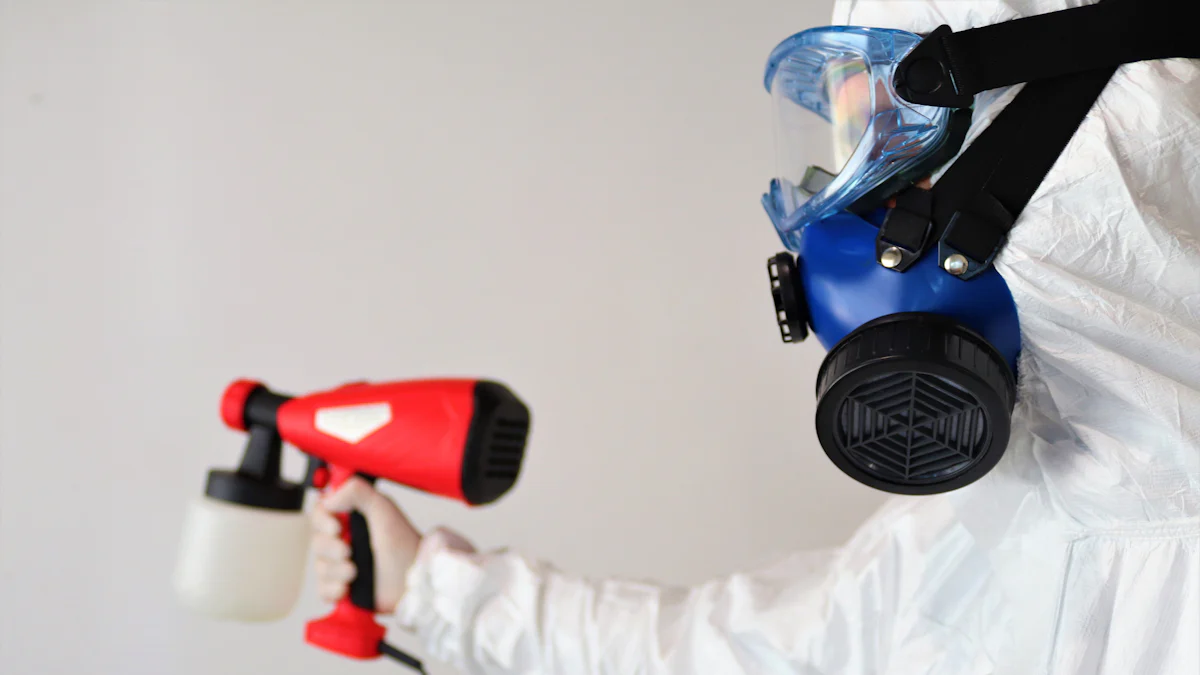
Selecting the correct respirator ensures effective respiratory protection against mold and bleach. Mold spores and bleach vapors require specific masks for safety. Full Facepiece Masks offer comprehensive protection. These masks cover the eyes and prevent mold spores from entering the body. The 6800 Full Facepiece Mask is ideal for such tasks.
Full Face vs. Half Mask
A full facepiece provides complete coverage. This mask protects the eyes, nose, and mouth. A half mask covers only the nose and mouth. Full face masks are preferable for high-exposure environments. Half masks suit less intense situations.
Recommended Respirators for Mold and Bleach
N95 respirators are effective for mold particles. These masks filter out harmful particles reaching the nose and mouth. NIOSH approves these masks for their filtration capabilities. For bleach vapors, consider a Full Facepiece Respirator Mask. This mask and filters protect against fumes and particles.
Essential Filters and Cartridges
Filters and cartridges play a crucial role in respirator effectiveness. Mold masks require specific filters to block spores. Bleach exposure demands different filters to neutralize vapors.
Multi-Gas and P100 Filters
Multi-gas filters handle various chemical exposures. P100 filters provide high-level particle filtration. Combining these filters offers robust protection against mold and bleach. The right filter ensures that your respirator mask works efficiently.
When to Change Cartridges
Regularly check respirator cartridges for wear. Replace filters when breathing becomes difficult. Follow manufacturer guidelines for cartridge replacement. Proper maintenance ensures continuous respiratory protection.
Tips for Preventing Mold Growth
Managing Humidity and Ventilation
Effective management of humidity and ventilation in your home is crucial to preventing mold growth. Mold thrives in damp environments, so controlling moisture levels is essential.
Effective Ventilation Strategies
Proper ventilation helps reduce humidity and prevent mold damage in your home. Mechanical ventilation systems maintain a consistent airflow, regardless of weather conditions. These systems operate independently of occupants, ensuring continuous air circulation. Natural ventilation, on the other hand, relies on wind pressure and stack effect. This method may not be as reliable in all climates.
Whole-house ventilating dehumidifiers offer excellent control over both ventilation and dehumidification. These systems are particularly beneficial in humid climates. They provide high-efficiency filtration and energy-efficient dehumidification. Supply ventilation systems also help by minimizing outdoor pollutants and preventing backdrafting of combustion gases.
Humidity Control Techniques
Maintaining optimal humidity levels is vital for mold prevention. Use dehumidifiers to keep indoor humidity below 60%. Regularly check and clean air conditioning units to ensure they function efficiently. Place moisture-absorbing products in areas prone to dampness, such as basements and bathrooms. These measures help create an environment less conducive to mold growth.
Regular Cleaning and Maintenance
Routine cleaning and maintenance play a significant role in preventing mold damage. A proactive approach ensures that mold does not have the opportunity to thrive in your home.
Identifying and Repairing Leaks
Leaks provide the moisture mold needs to grow. Regularly inspect your home for signs of water damage or leaks. Pay attention to areas around windows, roofs, and plumbing fixtures. Promptly repair any leaks to prevent water accumulation. Early intervention reduces the risk of mold development and protects your home from further damage.
Proper Insulation and Flooring Choices
Proper insulation and flooring choices can significantly impact mold prevention. Insulate your home adequately to prevent condensation and moisture buildup. Choose mold-resistant materials for areas prone to dampness, such as basements and bathrooms. Consider using tiles or vinyl flooring instead of carpets in these spaces. These materials are less likely to retain moisture, reducing the risk of mold growth.
By implementing these strategies, you can protect your home from mold damage. Regular maintenance and effective ventilation create an environment that discourages mold growth. Prioritize these practices to ensure a healthy living space for you and your family.
Proper Use of Protective Equipment
How to Wear a Respirator Correctly
Wear a respirator to shield your respiratory system from mold and bleach. The National Institute for Occupational Safety emphasizes the importance of proper fitting. Follow these steps to ensure effective protection:
Steps for Proper Fitting
- Select the Right Size: Choose a mask that fits snugly on your face.
- Position the Mask: Place the mask over your nose and mouth.
- Adjust the Straps: Tighten the straps to secure the mask in place.
- Check the Seal: Perform a seal check by inhaling and exhaling. Ensure no air leaks around the edges.
Expert Testimony:
*Proper training is essential for the effective use of PPE. Train your staff on how to correctly wear, use, and maintain their PPE.*
Common Mistakes to Avoid
Avoid common mistakes when wearing a respirator. Do not wear the mask loosely. Ensure the mask covers both nose and mouth. Avoid touching the mask’s surface during use. Replace the mask if damaged or worn out.
Additional Protective Gear
Additional protective gear enhances safety when dealing with mold and bleach. The Institute for Occupational Safety recommends using gloves, goggles, and protective clothing.
Gloves, Goggles, and Clothing
- Gloves: Wear gloves to protect your hands from harmful substances.
- Goggles: Protect your eyes from irritants by wearing goggles.
- Clothing: Wear long sleeves and pants to cover exposed skin.
Expert Testimony:
*Evaluate the need for respiratory protection based on your foodservice operation. If staff members are exposed to airborne contaminants, such as dust, fumes, or aerosols, consider N95 or higher-rated respirators.*
Situations Requiring Full Protection
Certain situations demand full protection. Wear a respirator and additional gear when cleaning heavily infested mold areas. Use full protection when working in poorly ventilated spaces. The Center for Environmental Health advises taking extra precautions in high-risk environments.
Protection against mold and bleach remains crucial for maintaining a healthy home environment. Mold exposure can lead to severe health issues, especially after disasters. Proactive measures like regular checks and proper use of protective gear help protect your respiratory system. Wear a mask during mold cleanup after disasters to ensure safety. Utilize resources like guides on disaster cleanup work to stay informed. Home safety includes understanding the risks of carbon monoxide and how to clean up mouse poop effectively. Email updates from trusted sources provide valuable information. Protect your home by staying informed and prepared.