
How to Select the Best Safety Toe Boots with Modern Safety Features
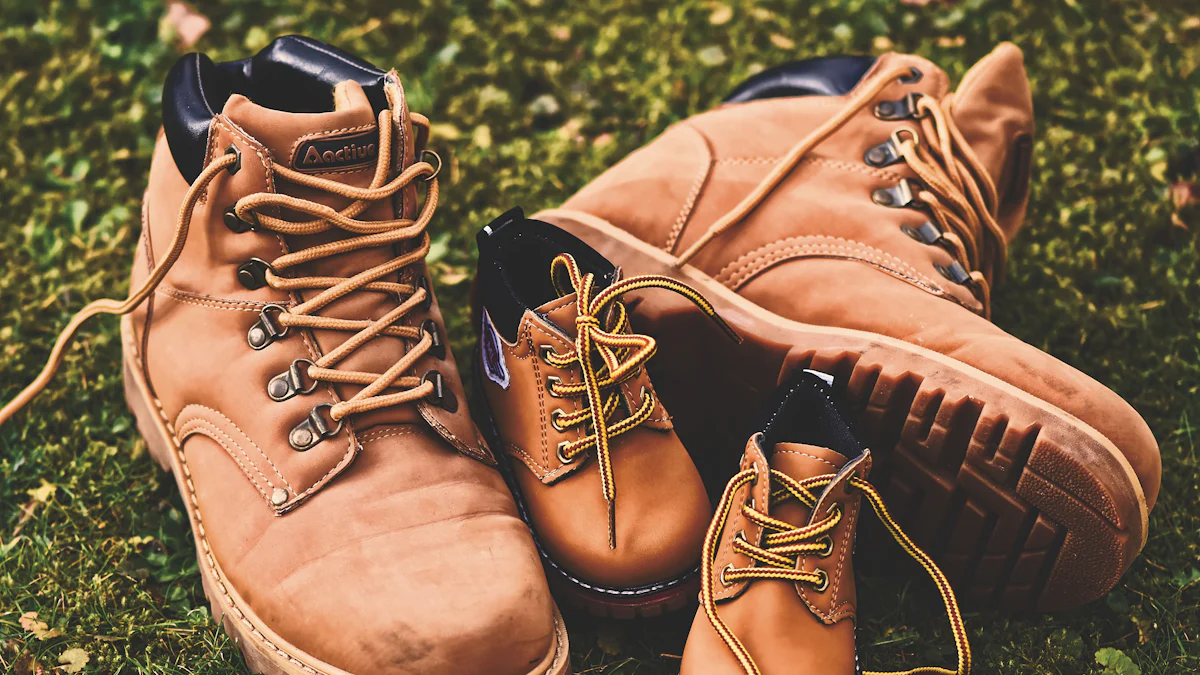
Safety toe boots play a crucial role in protecting workers across various industries. These boots prevent injuries from falling objects, punctures, and slips. Modern safety features enhance this protection with innovations like puncture-resistant soles and electrical hazard protection. Making an informed choice when selecting safety shoes for work ensures maximum safety and comfort. High-quality protective footwear not only reduces the risk of workplace injuries but also boosts employee morale and productivity.
Understanding Safety Toe Boots
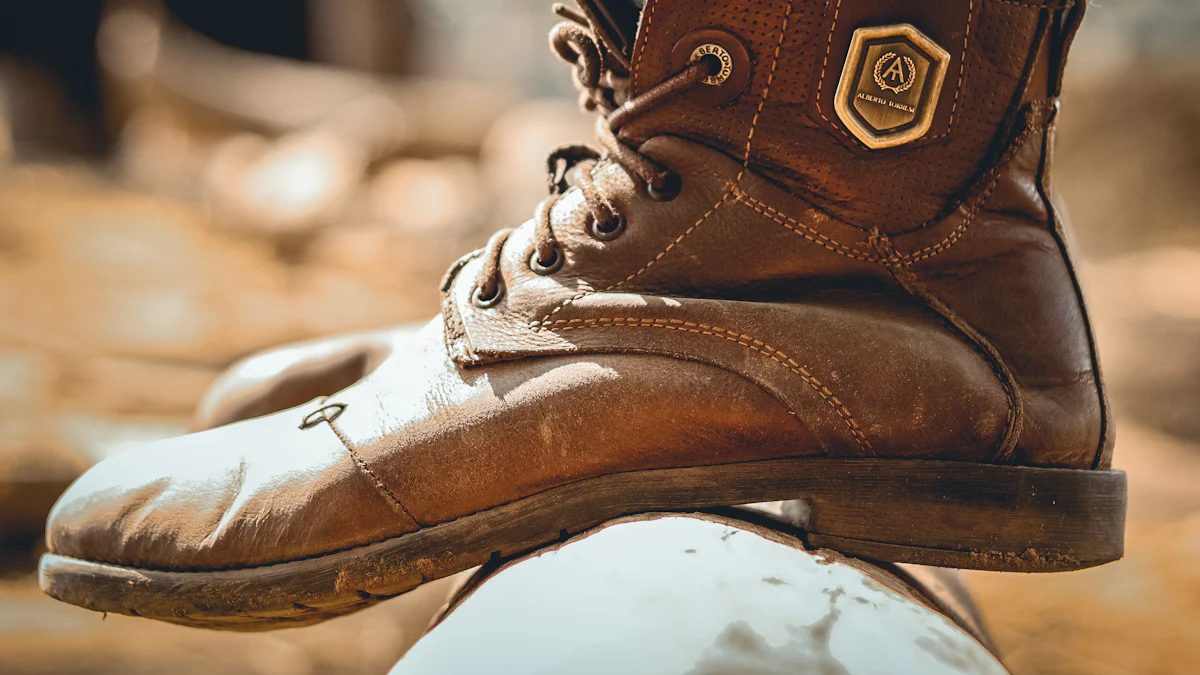
Types of Safety Toe Boots
Steel Toe Boots
Steel toe boots provide the highest level of protection. These boots feature a steel reinforcement in the toe area. This reinforcement offers excellent impact resistance. Workers in construction, manufacturing, and warehousing often prefer steel toe boots. The durability of steel toe boots makes them ideal for environments with heavy machinery and falling debris. Steel toe boots also tend to be more affordable compared to other types.
Composite Toe Boots
Composite toe boots use materials like carbon fiber, Kevlar, or fiberglass. These materials are lighter than steel. Composite toe boots do not conduct heat or electricity. This makes them suitable for hot weather and electrical work environments. Composite toe boots also pass the same protection standards as steel toe boots. Workers who need to pass through metal detectors frequently find composite toe boots beneficial.
Alloy Toe Boots
Alloy toe boots combine lightweight metals such as aluminum and titanium. These boots offer a balance between weight and protection. Alloy toe boots provide a roomier fit in the toe box. The lightweight nature of alloy toe boots reduces fatigue during long work hours. Workers who need both comfort and protection often choose alloy toe boots.
Key Safety Standards and Certifications
ASTM Standards
The American Society for Testing and Materials (ASTM) sets the standards for safety toe boots. ASTM F2413-18 is the current standard for protective footwear. This standard covers impact and compression resistance. Safety shoes for work must meet these criteria to ensure adequate protection.
OSHA Regulations
The Occupational Safety and Health Administration (OSHA) enforces workplace safety regulations. OSHA requires employers to provide protective footwear that meets ASTM standards. Compliance with OSHA regulations ensures a safe working environment. Employers must regularly inspect safety shoes for work to maintain compliance.
ANSI Standards
The American National Standards Institute (ANSI) also sets guidelines for safety footwear. ANSI standards focus on performance and testing methods. Safety shoes for work must undergo rigorous testing to meet ANSI standards. Adherence to ANSI standards guarantees that safety toe boots provide reliable protection.
Modern Safety Features to Look For
Puncture Resistance
Materials Used
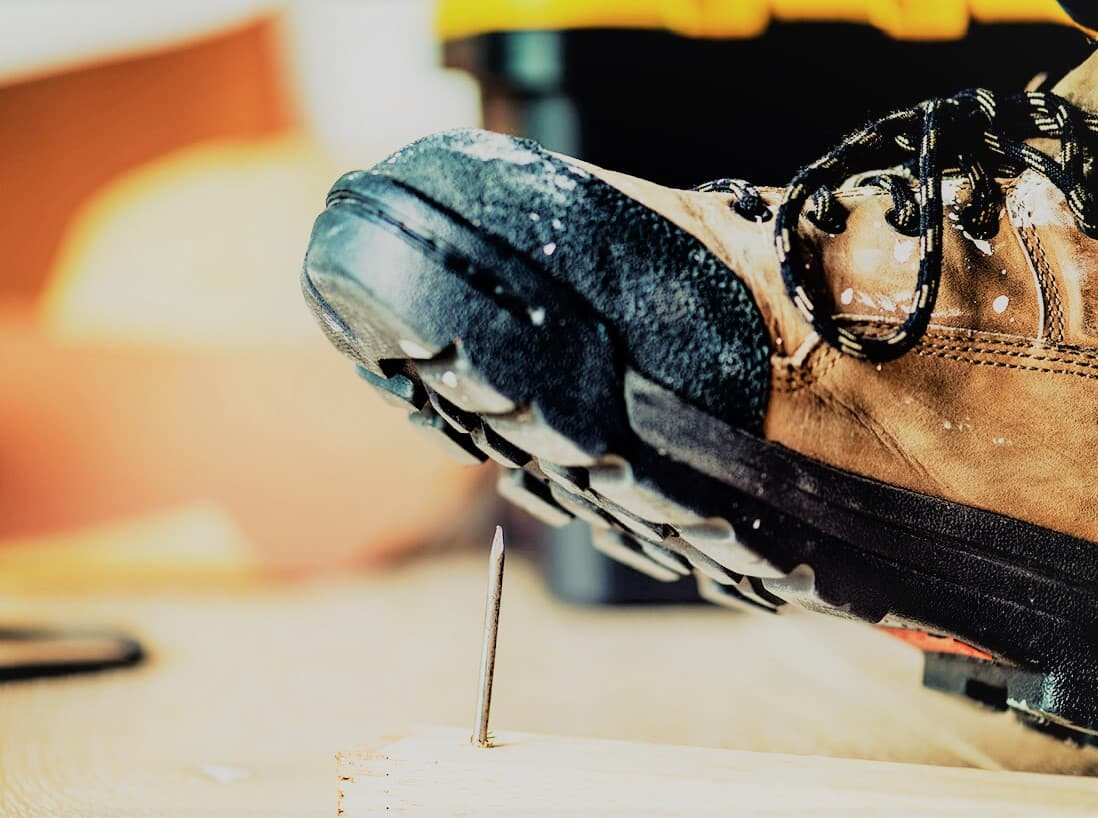
Puncture-resistant safety toe boots use robust materials to protect against sharp objects. Manufacturers often incorporate Kevlar, steel plates, or composite materials into the midsole. Kevlar offers lightweight protection and flexibility. Steel plates provide maximum puncture resistance but add weight. Composite materials balance protection and weight, making them ideal for various work environments.
Testing Methods
Testing methods for puncture resistance ensure the reliability of safety toe boots. The ASTM F2413-18 standard outlines specific tests. These tests involve applying force to a sharp object against the boot’s sole. The boot must withstand a minimum force without penetration. Regular testing guarantees that the boots meet safety standards and provide adequate protection.
Electrical Hazard Protection
Importance in Certain Industries
Electrical hazard protection is crucial in industries with electrical risks. Workers in construction, utilities, and manufacturing often face such hazards. Safety toe boots with electrical hazard protection prevent electric shocks. These boots insulate the wearer from live electrical circuits. This feature is essential for maintaining worker safety in high-risk environments.
How It Works
Electrical hazard protection works by using non-conductive materials in the boot’s construction. These materials include rubber, leather, and certain composites. The boots must meet ASTM F2413-18 standards for electrical hazard protection. This standard requires the boots to withstand 18,000 volts at 60 Hz for one minute without leakage. Properly designed boots offer reliable protection against electrical hazards.
Slip Resistance
Tread Patterns
Slip-resistant safety toe boots feature specialized tread patterns. These patterns enhance traction on various surfaces. Deep grooves and multidirectional lugs improve grip. The design channels away liquids, reducing the risk of slips. Workers in wet or oily environments benefit significantly from these features.
Sole Materials
The materials used in the soles of slip-resistant boots play a critical role. Rubber and polyurethane are common choices. Rubber provides excellent grip and durability. Polyurethane offers lightweight comfort and slip resistance. Combining these materials ensures optimal performance in slippery conditions. Regular inspection and maintenance of the soles maintain their effectiveness.
Waterproofing and Breathability
Technologies Used
Waterproofing technologies in safety toe boots ensure protection from moisture. Manufacturers use materials like Gore-Tex and SympaTex. These materials create a barrier against water while allowing vapor to escape. Sealed seams and waterproof membranes enhance this protection. The combination of these technologies keeps feet dry in wet conditions.
Breathability technologies focus on air circulation within the boot. Mesh linings and moisture-wicking fabrics are common features. These materials draw sweat away from the skin, promoting dryness. Ventilation channels integrated into the design also improve airflow. Together, these technologies prevent overheating and discomfort during long work hours.
Benefits for Different Work Environments
Waterproofing benefits workers in environments with high moisture levels. Construction sites, outdoor work, and industries involving liquids require such protection. Waterproof safety toe boots prevent water from entering, reducing the risk of foot infections. Workers maintain comfort and productivity even in adverse conditions.
Breathability is crucial for workers in hot climates or indoor settings. Proper air circulation prevents excessive sweating and blisters. Breathable boots enhance overall comfort, allowing workers to focus on tasks. This feature is particularly beneficial for those who spend extended periods on their feet.
Combining waterproofing and breathability offers comprehensive protection. Workers in varied environments benefit from both features. Safety toe boots with these technologies provide a balanced solution. Ensuring dry and comfortable feet enhances safety and efficiency in the workplace.
Factors to Consider When Choosing Safety Toe Boots
Comfort and Fit
Importance of Proper Fit
Proper fit in safety shoes for work ensures maximum protection and comfort. Ill-fitting boots can cause blisters, calluses, and foot pain. These issues can lead to decreased productivity and increased risk of injury. Workers should measure their feet accurately and try on boots with the socks they plan to wear. Ensuring a snug fit without tightness around the toes or heels is crucial.
Features Enhancing Comfort
Comfort-enhancing features in safety shoes for work include cushioned insoles, padded collars, and breathable linings. Cushioned insoles provide shock absorption, reducing fatigue during long hours. Padded collars prevent chafing around the ankles. Breathable linings wick away moisture, keeping feet dry and comfortable. Ergonomic designs and lightweight materials also contribute to overall comfort.
Durability and Longevity
Materials Contributing to Durability
Durable materials in safety shoes for work include full-grain leather, rubber, and high-quality synthetics. Full-grain leather offers excellent abrasion resistance and longevity. Rubber outsoles provide durability and slip resistance. High-quality synthetics offer lightweight durability and flexibility. Combining these materials ensures that safety shoes withstand harsh working conditions.
Maintenance Tips
Proper maintenance extends the life of safety shoes for work. Regular cleaning removes dirt and debris that can degrade materials. Conditioning leather boots prevents cracking and maintains flexibility. Inspecting soles and replacing worn-out parts ensures continued protection. Storing boots in a cool, dry place prevents mold and mildew growth. Following these maintenance tips keeps safety shoes in optimal condition.
Cost vs. Value
Balancing Price and Quality
Balancing price and quality in safety shoes for work involves considering both initial cost and long-term benefits. High-quality boots may have a higher upfront cost but offer better durability and comfort. Investing in well-made safety shoes reduces the need for frequent replacements. Workers should evaluate the features and materials to ensure they meet specific job requirements.
Long-term Investment
Investing in high-quality safety shoes for work provides long-term benefits. Durable boots reduce the frequency of replacements, saving money over time. Comfortable and well-fitting boots enhance worker productivity and morale. Safety features like puncture resistance and electrical hazard protection prevent injuries, reducing medical costs and downtime. Prioritizing quality and safety in footwear is a smart investment for any workplace.
Workwear Gurus emphasize the importance of selecting boots that meet safety standards while offering comfort and durability. This approach makes the selection process easier and more informed.
Top Brands and Models
Leading Brands in Safety Toe Boots
Timberland Pro Overview
Timberland Pro stands out as a leading brand in safety toe boots. Timberland Pro offers a range of safety shoes for work that combine durability and comfort. The brand uses high-quality materials like full-grain leather and advanced technologies. These features ensure long-lasting protection and wearability. Timberland Pro boots often include anti-fatigue technology, which reduces foot strain during extended work hours. Workers in construction, manufacturing, and warehousing frequently choose Timberland Pro for its reliability.
Caterpillar Overview
Caterpillar (CAT) is another top brand known for its rugged safety footwear. CAT safety shoes for work are designed to withstand harsh conditions. The brand incorporates robust materials such as steel and composite toes. CAT boots also feature slip-resistant soles and waterproof membranes. These elements provide comprehensive protection in various environments. The ergonomic design of CAT boots ensures a comfortable fit, making them suitable for long shifts. Industries like construction, mining, and heavy machinery operations benefit from CAT’s durable footwear.
Recommended Models
Timberland Pro Pit Boss Features
The Timberland Pro Pit Boss is a highly recommended model. This boot features a steel toe for maximum impact resistance. The Pit Boss meets ASTM standards, ensuring reliable protection. The boot includes a padded collar and cushioned insole for enhanced comfort. Slip-resistant rubber outsoles provide excellent traction on various surfaces. The full-grain leather construction offers durability and abrasion resistance. Workers appreciate the Pit Boss for its balance of safety and comfort.
Caterpillar Second Shift Features
The Caterpillar Second Shift is another top model worth considering. This boot comes with a steel toe cap, providing robust protection against heavy impacts. The Second Shift meets both ASTM and ANSI standards. The boot features a Climasphere insole, which wicks away moisture and keeps feet dry. Oil-resistant outsoles enhance slip resistance, making it ideal for slippery conditions. The rugged leather upper ensures long-term durability. Workers in demanding environments find the Second Shift reliable and comfortable.
Selecting the best safety toe boots involves understanding key factors. Prioritize safety and comfort to ensure maximum protection and productivity. Consider modern features like puncture resistance, electrical hazard protection, and slip resistance. Evaluate brands known for quality, such as Timberland Pro, Caterpillar, Danner, and Brunt. Look for models that meet industry standards and offer durability and ergonomic design. Investing in high-quality safety footwear enhances workplace safety and boosts employee morale. Make an informed choice to safeguard workers’ well-being and efficiency.