
How to Identify a Reliable Asbestos Respirator
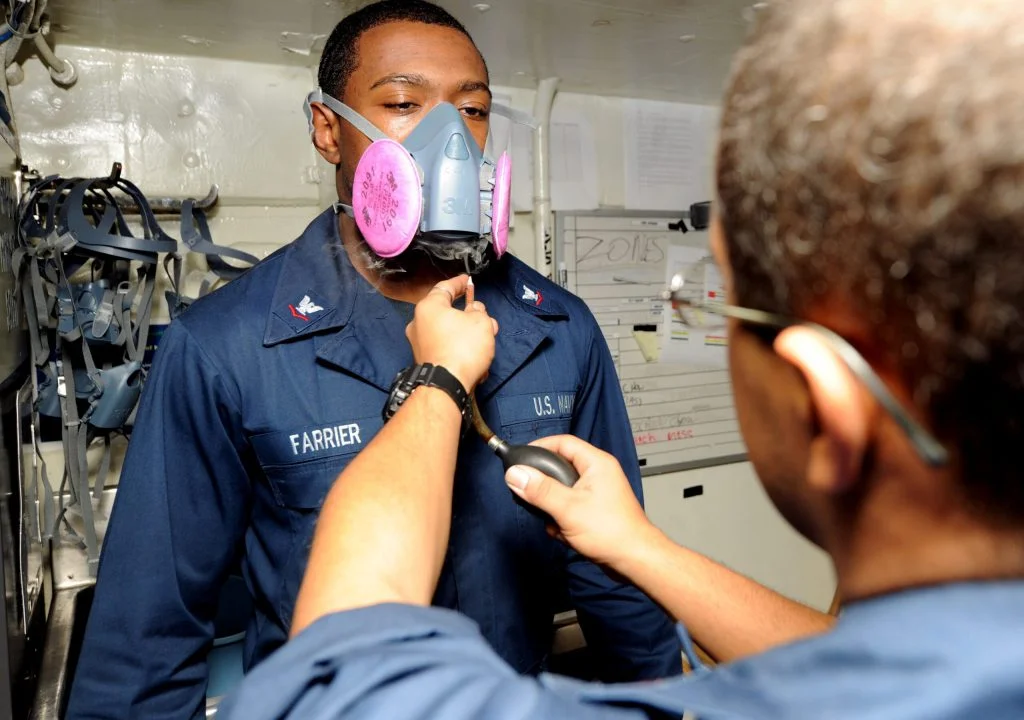
Choosing the right Asbestos Respiratory Protection is crucial for your safety. Millions of people face asbestos exposure, and nearly 40,000 Americans die each year from diseases like mesothelioma and lung cancer. Breathing in asbestos fibers poses serious health risks. Regulatory standards like OSHA and NIOSH set guidelines to protect you. On behalf of Pourciau Law, ensure you use an Approved respirator. Check for proper fit and filtration. B-Corp companies often offer reliable options. Always prioritize safety on behalf of yourself and your loved ones. Contact Smart Air for more information.
Understanding Asbestos and Its Risks

Health Implications of Asbestos Exposure
Asbestos exposure can lead to serious health issues. Diseases like mesothelioma and lung cancer often result from inhaling asbestos fibers. The National Cancer Institute highlights that the risk depends on factors like dose, duration, and individual habits such as smoking. Symptoms might not show up for years, making early screening vital. The Indiana Department of Environmental Management stresses that symptoms may take a long time to appear, which complicates early detection.
Asbestos was once widely used in construction. Builders valued asbestos for its strength and heat resistance. Many older buildings still contain asbestos materials. Renovations or demolitions can release fibers into the air. Workers and residents face increased risks in these situations.
Regulatory Standards for Asbestos Safety
Regulatory bodies set standards to protect you from asbestos exposure. The Occupational Safety and Health Administration (OSHA) has established exposure limits. These limits aim to minimize the risk of asbestos-related diseases. OSHA requires employers to monitor asbestos levels in workplaces.
The National Institute for Occupational Safety and Health (NIOSH) provides certification standards. NIOSH certifies respirators to ensure they meet safety requirements. An Approved respirator must meet these standards. Proper fit and filtration are crucial for protection. Respiratory masks for asbestos should have P100 filters. These filters block at least 99.97% of airborne particles.
For those involved in asbestos abatement, personal protective equipment (PPE) is essential. A 3M respirator for asbestos offers reliable protection. The 3M 6000 Half Facepiece mask is a popular choice. This mask works well with P100 filters. For longer projects, consider the 3M 7500 Half Facepiece. The soft silicone material provides comfort during extended wear.
Dual Purpose Organic Vapor cartridges can enhance protection. These cartridges filter out additional harmful substances. Some situations may require a full-face respirator. Full-face masks offer eye protection along with respiratory safety.
Safety should always be a priority on behalf of yourself and your loved ones. If you have questions about choosing the right respirator, consult experts. You can reach out via Email to companies like Smart Air for more information.
Choosing the Right Respirator
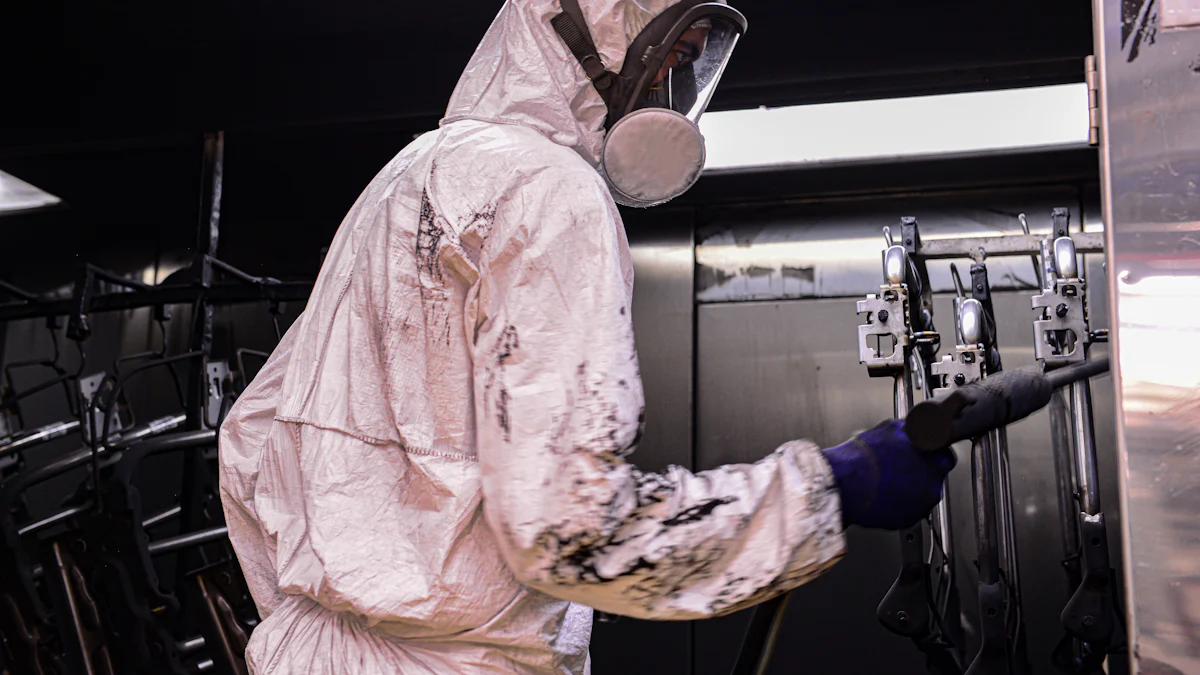
Selecting the right Asbestos Respiratory Protection ensures safety. Different types of respirators offer various levels of protection. Understanding these options helps you make informed decisions.
Types of Respirators
Filtering Facepiece Respirators (FFRs)
Filtering Facepiece Respirators (FFRs) provide basic protection. These respirators cover the nose and mouth. They filter out airborne particles, making them suitable for short-term use. FFRs are lightweight and disposable. These masks offer convenience but may not provide the highest level of protection.
Elastomeric Respirators
Elastomeric Respirators offer a higher level of protection. These respirators have a reusable rubber or silicone facepiece. The design allows for replaceable filters. Elastomeric Respirators provide a better seal around the face. This feature makes them more effective at filtering harmful particles. The durability of these respirators makes them ideal for long-term projects.
Filter Efficiency Ratings
Importance of P100 Filters
P100 filters play a crucial role in Asbestos Respiratory Protection. These filters block at least 99.97% of airborne particles. P100 filters are effective at filtering asbestos fibers. The Institute of Occupational Safety recommends using NIOSH Approved P100 filters for maximum protection. P100 Respirators ensure safety in environments with asbestos exposure.
Comparison of N95, N99, and N100 Ratings
Different filter ratings indicate varying levels of protection. N95 filters block 95% of airborne particles. N99 filters provide a higher level of filtration at 99%. N100 filters offer the same level of protection as P100 filters. For asbestos exposure, NIOSH recommends P100 filters due to their high efficiency. Understanding these ratings helps you choose the right Asbestos Respirator.
Fit and Comfort Considerations
Importance of Fit Testing
A proper fit ensures the effectiveness of your Asbestos Respirator. A Fit Test determines if the respirator forms a tight seal on your face. OSHA regulations require fit testing for all respirators. A good fit prevents harmful particles from entering the mask. Regular fit testing guarantees continued protection.
Impact of Facial Hair on Respirator Effectiveness
Facial hair affects the seal of a Face Respirator. Beards or stubble can create gaps between the mask and skin. These gaps compromise the effectiveness of the respirator. NIOSH Approved guidelines suggest shaving for a proper fit. Clean-shaven faces ensure maximum protection against asbestos fibers. Consider alternatives like the Amber Full Face respirator for those with facial hair.
Evaluating Respirator Options
Choosing the right respirator for asbestos work can feel overwhelming. You need to know about different options to make the best choice. Let’s dive into the details of Full-Face and Half-Face Respirators.
Full-Face vs. Half-Face Respirators
Full-Face Respirators offer a higher level of protection. The APF for a Full-Facepiece Respirator is 50. This means you can use it in environments with up to 5 fibers per cubic centimeter. This option provides increased protection in high atmospheric contaminant environments. A Full Face Mask also protects your eyes from harmful particles.
On the other hand, Half-Face Respirators have an APF of 10. This makes them suitable for less hazardous situations. A Half Facepiece covers only the nose and mouth. This option is lighter and more comfortable for shorter tasks. Consider your work environment when choosing between these two types.
Additional Respiratory Protection Options
Sometimes, you need more than a standard respirator. Air Purifiers like Powered Air Purifying Respirators (PAPR) offer advanced protection. These devices use a battery-powered blower to push air through HEPA filters. HEPA filters remove asbestos fibers effectively. A PAPR provides a continuous flow of clean air. This option is great for long-duration tasks or when a tight seal is hard to achieve.
Another option is the Self-Contained Breathing Apparatus (SCBA). An SCBA offers the highest level of protection. This system supplies air from a tank you wear on your back. SCBA is ideal for extremely hazardous environments. This option is often used by professionals in emergency situations.
When selecting your Asbestos Respiratory Protection, think about the specific needs of your task. Consider factors like APF, comfort, and duration of use. Brands like Moldex and 3M offer reliable options. Look for products with HEPA filters and Organic Vapor cartridges. A Bayonet Organic Vapor Cartridge can enhance your protection. Always choose Approved equipment to ensure safety.
Selecting a reliable respirator involves several key considerations. You need to focus on proper fit and certification. A secure seal ensures that no harmful particles bypass the mask. Conduct a user fit test every time you wear your respirator. This step is crucial for safety. Always choose respirators with high filtration capabilities like P100 masks. Prioritize safety and compliance in every situation. Remember, air purifiers remove asbestos effectively. Brands like 3M offer Approved options for protection. Stay informed and make choices that safeguard your health.