
How to Achieve the Best Fit for Your Respirator
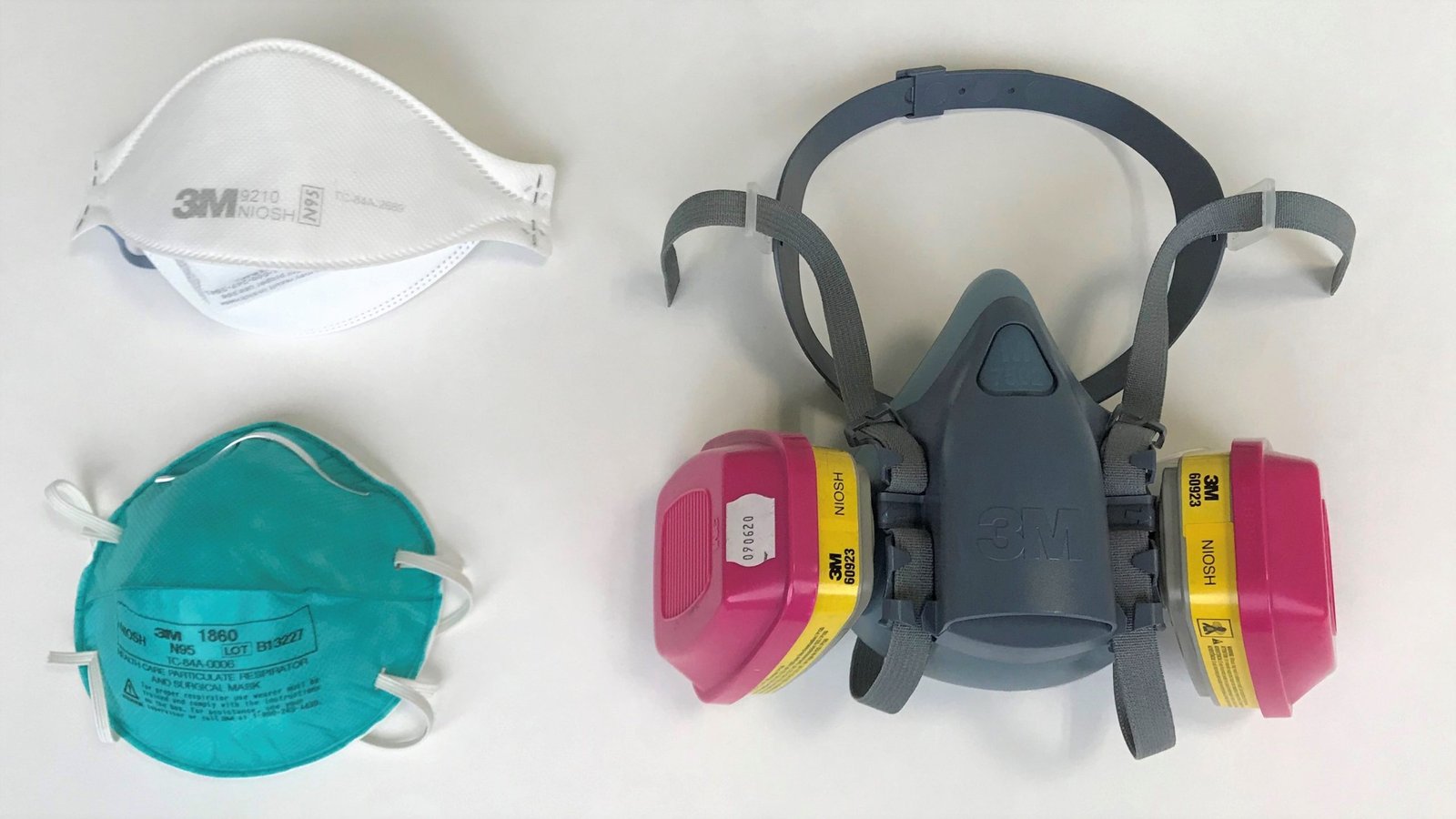
Respirators play a crucial role in ensuring respiratory safety. These devices protect against harmful substances in various environments. The effectiveness of respirators depends on the proper fit. A snug fit ensures that no contaminated air leaks into the mask. Studies show that N95 masks provide over 95% filtration, which highlights their importance. Checking the fit is essential for optimal protection. A well-fitted respirator can significantly reduce exposure to airborne hazards. Regular checks and adjustments maintain this protection. This blog will guide you on how to achieve the best fit for your respirator.
Understanding Respirator Types

Different Types of Respirators
Respirators come in various forms to suit different needs. Understanding the differences helps you select the best option for your situation.
Disposable Respirators
Disposable respirators, often known as filtering facepiece respirators, provide a single-use solution. These masks are lightweight and convenient for short-term use. The N95 particulate respirators fall into this category. These masks filter out 95% of airborne particles. This makes them ideal for environments with dust, pollen, or fumes. Always discard disposable respirators after use to maintain hygiene and effectiveness.
Reusable Respirators
Reusable respirators offer a more durable option. These masks feature replaceable filters. You can clean and maintain these masks for extended use. Reusable models often provide better comfort and fit. This makes them suitable for long-term projects or frequent use. Consider the environment and duration of exposure when choosing between disposable and reusable options.
Selecting the Right Respirator
Selecting the right respirator involves assessing specific factors. Each factor ensures optimal protection and comfort.
Assessing Workplace Hazards
Identify the hazards present in your workplace. Different environments pose different risks. For example, agricultural settings may expose you to grain dust or mold. Welding tasks may involve fumes. NIOSH Respirator Filter Classes help determine the appropriate mask for each hazard. Choose a respirator that matches the specific threats you face.
Considering Comfort and Fit
Comfort and fit play crucial roles in respirator effectiveness. A well-fitting mask prevents contaminated air from leaking inside. Perform a fit test to ensure a secure seal. Adjust straps and nose pieces for a snug fit. Comfort encourages consistent use, which enhances safety. Consider the Respirator Filter Classes Infographic for guidance on selecting the right mask based on comfort and fit needs.
Preparing for a Fit Test
Pre-Test Preparations
Checking Respirator Condition
Always inspect the respirator before a fit test. Look for any damage or wear. Check the straps and facepiece for integrity. Ensure that filters are in place and functioning. A well-maintained respirator ensures optimal protection.
Ensuring a Clean Shave
Facial hair can interfere with the seal of a respirator. Shave thoroughly to ensure a snug fit. A clean shave helps prevent contaminated air from leaking inside. This step is crucial for achieving the best fit.
Fit Test Procedures
Qualitative Fit Test
A qualitative fit test provides a simple pass/fail result. Use a test agent like saccharin or Bitrex. The wearer detects the taste or smell if the fit is inadequate. This method evaluates the respirator’s seal effectively.
Quantitative Fit Test
A quantitative fit test measures the exact fit factor. Use a machine to assess the amount of leakage. This test provides a numerical value for the respirator’s effectiveness. A fit factor of at least 100 is required for half-mask respirators.
Scientific Research Findings:
- Research on Alternative Face Mask Options found that expired and sterilized N95 masks still provided over 95% filtration. This highlights the importance of proper fit testing to maintain protection levels.
The Hospital Respiratory Protection Program emphasizes regular fit testing. Use the Respiratory Protection Program Toolkit to guide your process. Proper fit testing ensures safety and compliance in various environments.
Achieving the Best Fit
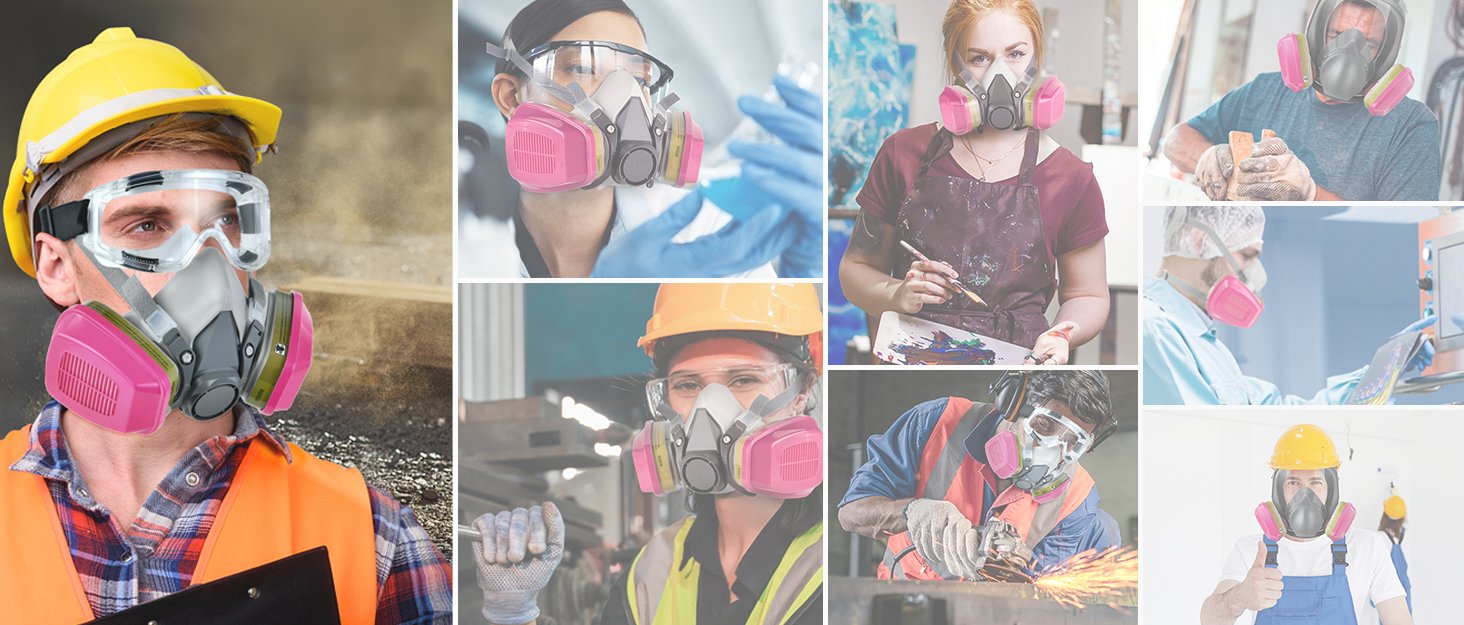
Step-by-Step Fitting Instructions
Positioning the Respirator
Position the respirator on your face. Ensure the nosepiece sits comfortably over your nose. The bottom of the mask should rest under your chin. Adjust the mask until it covers your nose and mouth completely. This positioning helps achieve a proper fit, essential for effective respiratory protection.
Adjusting Straps for Comfort
Pull the straps over your head. Place one strap above your ears and the other below. Adjust the tension to secure the mask snugly against your face. Avoid overtightening, which may cause discomfort. Properly adjusted straps ensure that the respirator fits properly and provides optimal respiratory protection.
Performing a Seal Check
Positive Pressure Check
Perform a positive pressure check by covering the exhalation valve. Exhale gently. The mask should bulge slightly without air escaping. This check confirms that the respirator fits properly and maintains a seal. A proper seal is crucial for effective respiratory protection.
Negative Pressure Check
Conduct a negative pressure check by covering the inhalation ports. Inhale slowly. The mask should collapse slightly against your face. This indicates that the respirator fits securely. A successful check ensures the mask provides the necessary respiratory protection.
Expert Testimony:
EPA Researchers emphasize the importance of proper fit testing. A well-fitted respirator significantly enhances respiratory protection.
Factors of Respiratory Protection include regular fit testing and proper maintenance. The CDC highlights the importance of respirator fit tests in healthcare settings. Jaclyn Krah Cichowicz from the National Personal Protective Technology Laboratory stresses that respirator fits must be checked regularly. The CDC prioritizes respirator use for healthcare workers to ensure safety.
NIOSH guidelines recommend annual fit testing as part of a comprehensive respiratory protection program. The Respiratory Protection standard mandates that respirator fits properly for maximum effectiveness. Preparedness involves understanding the key factors of respiratory protection, including fit testing and maintenance.
Fit Checking and Safety Precautions
Fit Check Strategies
Proper fit checking ensures respiratory safety. Users must perform a fit check before using a respirator. Fit checking involves specific techniques and strategies.
Proper Fit Checking Techniques
Users should perform a fit check to ensure a proper seal. Cover the inhalation and exhalation ports. Inhale and exhale gently. The respirator should collapse slightly during inhalation. The respirator should bulge slightly during exhalation. This process confirms the seal and fit. Users must repeat this process regularly for optimal protection.
Respirator Fit Check Products
Respirator fit check products help users maintain a secure fit. These products include fit test kits and seal check tools. Users can use these products to verify the effectiveness of their respirators. The NIOSH National Personal Protective guidelines recommend using these products for enhanced protection. Fit check the respirator with these tools to ensure safety.
Do’s and Don’ts
Fit checking your respirator requires attention to detail. Users must follow specific do’s and don’ts for effective protection.
Do’s for Proper Fit
- Perform a fit check every time you wear a respirator.
- Ensure a clean shave for a proper seal.
- Adjust straps for a snug fit.
- Use fit check products for accuracy.
- Follow NIOSH National Personal Protective guidelines.
Common Mistakes to Avoid
- Avoid wearing a respirator without performing a fit check.
- Do not ignore signs of wear or damage.
- Avoid using a respirator with facial hair.
- Do not skip regular fit checking.
- Avoid improper storage of respirators.
Maintenance and Care
Proper maintenance and care extend the life of a respirator. Users must follow specific steps for cleaning and storing respirators.
Cleaning the Respirator
Clean the respirator regularly to maintain hygiene. Use mild soap and water for cleaning. Avoid harsh chemicals that may damage the respirator. Rinse thoroughly and allow it to air dry. Regular cleaning ensures continued respiratory safety.
Storing the Respirator Properly
Store the respirator in a clean, dry place. Avoid exposure to direct sunlight or extreme temperatures. Use a protective case for storage if available. Proper storage prevents damage and maintains the integrity of the seal. Users must prioritize storage to ensure long-term protection.
Achieving the best fit for your respirator is crucial for ensuring respiratory safety. Follow these key steps: position the respirator correctly, adjust straps for comfort, and perform both positive and negative pressure checks. Regular fit testing and maintenance are essential. A well-maintained respirator provides optimal protection. The seal must remain intact to prevent contaminated air from entering. The Filtering Facepiece Respirator Infographic offers valuable insights into proper usage. EPA researchers emphasize the importance of informed decisions regarding PPE. Proper fit ensures that you stay protected in various environments.