
How activated carbon filter masks work?
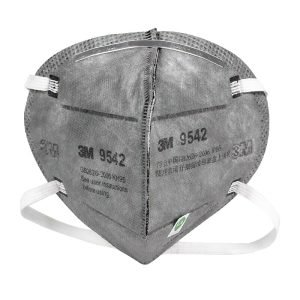
Activated carbon filter masks have become essential in today’s world. Pollution levels rise, and health concerns grow. Understanding how these masks work is crucial for making informed choices. Activated carbon filters trap harmful gases and pollutants. This technology enhances air quality and provides better protection. The market for these masks is projected to reach significant value by 2030. This growth highlights the increasing demand for effective filtration solutions. Exploring the functionality of activated carbon filter masks will help you appreciate their importance in safeguarding health.
What Is Activated Carbon?
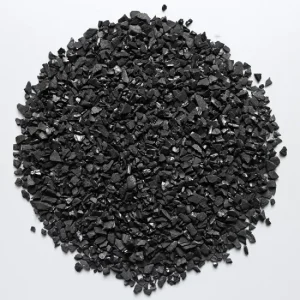
Composition and Properties
Activated carbon is a form of carbon processed to have small, low-volume pores. These pores increase the surface area available for adsorption. The structure of activated carbon is highly porous. This allows it to trap a wide range of substances.
Structure of Activated Carbon
The structure of activated carbon consists of numerous tiny pores. These pores create a large surface area. The increased surface area enhances its ability to adsorb gases and pollutants. This characteristic makes activated carbon effective in various applications.
Adsorption Capabilities
Activated carbon exhibits high adsorption capabilities. This means it can capture and hold gases, vapors, and odors. The microporous nature of activated carbon increases its absorbency. This property is crucial for its use in air purifiers and water filters.
Production Process
The production of activated carbon involves several steps. Each step contributes to its unique properties. The process begins with selecting raw materials. The activation methods follow to enhance its effectiveness.
Raw Materials
The raw materials for activated carbon include coal, wood, and coconut shells. These materials undergo processing to become activated carbon. The choice of raw material affects the final product’s properties. Different materials provide varying levels of adsorption efficiency.
Activation Methods
The activation process involves treating carbon with heat or chemicals. This treatment creates the microporous structure. The two main activation methods are physical and chemical activation. Physical activation uses heat and steam. Chemical activation involves acids or other chemicals. Both methods aim to increase the surface area and porosity of the carbon.
Activated Carbon Filters in Masks – What Do They Do?
Introduction to Activated Carbon Filters
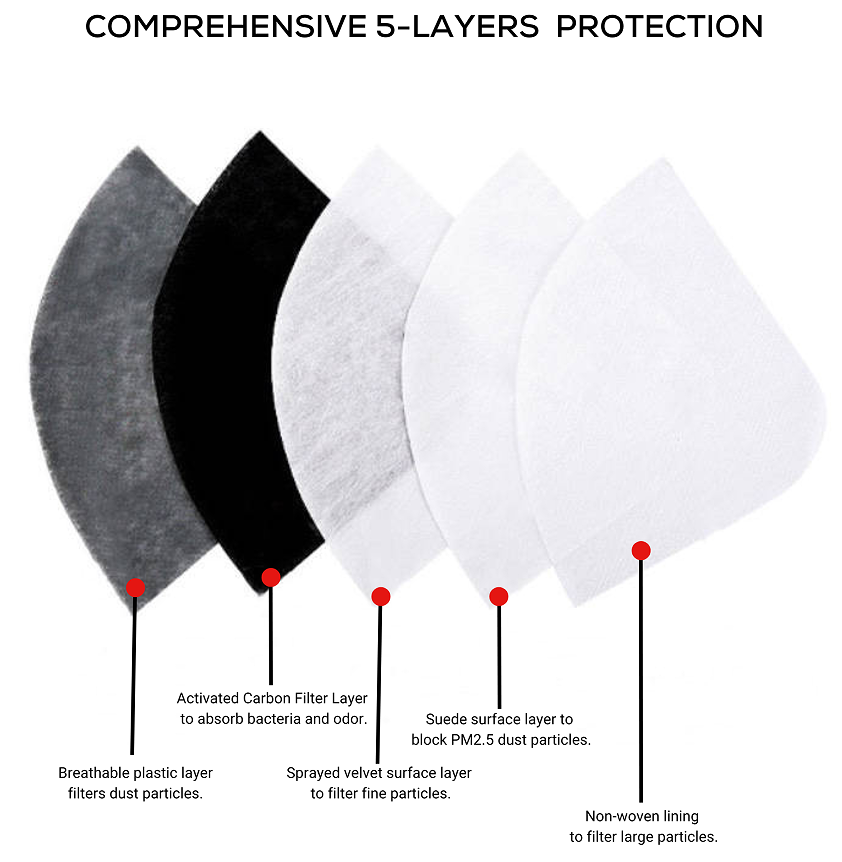
Activated carbon filter masks play a crucial role in enhancing respiratory protection. These filters use activated carbon to trap harmful substances from the air. The structure of activated carbon contains numerous tiny pores. These pores increase the surface area available for adsorption. Adsorption allows gases and pollutants to adhere to the surface of the carbon. This process effectively removes contaminants from the air you breathe.
Basic Functionality
Activated carbon filter masks work through a simple yet effective mechanism. Air passes through the mask, and the activated carbon captures pollutants. The porous nature of the carbon allows it to trap various substances. Harmful gases, odors, and volatile organic compounds (VOCs) adhere to the carbon surface. This process ensures that cleaner air reaches your lungs.
Role in Filtration
The primary role of activated carbon filter masks involves removing gaseous pollutants. These masks target substances that traditional filters might miss. The activated carbon captures large aromatic molecules. This capability makes the masks effective in urban and industrial environments. The masks provide an additional layer of protection against airborne diseases.
Benefits of Using Activated Carbon Filters
Activated carbon filter masks offer several advantages. These benefits make them a popular choice for personal protective equipment.
Enhanced Filtration Capabilities
Activated carbon filter masks provide superior filtration capabilities. The masks effectively remove odors and pollutants from the air. Studies show that these masks enhance protection against particulate matter. The masks are widely used in healthcare and industrial settings. The masks’ ability to filter out harmful substances without significant breathing resistance is noteworthy.
Odor and Gas Removal
Activated carbon filter masks excel at removing unpleasant odors. The masks capture gases like formaldehyde and benzene. This feature makes the masks ideal for urban environments with high pollution levels. The masks also help reduce exposure to harmful chemicals. The masks’ odor removal capability improves the overall wearing experience.
Why Do Masks Use Carbon Filters?

Advantages Over Standard Filters
Improved Air Quality
Activated carbon filters significantly enhance air quality. The filters capture harmful gases and volatile organic compounds (VOCs). Traditional filters often miss these pollutants. Activated carbon filters excel in urban environments with high pollution levels. The filters provide cleaner air for breathing.
Versatility in Different Environments
Activated carbon filters offer versatility. The filters perform well in various settings. Urban areas benefit from the filters’ ability to remove pollutants. Industrial environments also see advantages. The filters capture gases and odors effectively. This versatility makes activated carbon filters a preferred choice.
Specific Use Cases
Industrial Applications
Industries rely on activated carbon filters for protection. Workers face exposure to harmful gases and chemicals. Activated carbon filters capture these substances. The filters reduce health risks for workers. Industries such as welding benefit greatly. The filters provide cleaner air in challenging conditions.
Everyday Use
Activated carbon filters serve everyday needs. People use masks with these filters in polluted cities. The filters improve air quality for daily activities. Commuters find the filters helpful during travel. Masks with activated carbon filters enhance comfort and safety. The filters ensure better protection against airborne pollutants.
What Does Activated Carbon Filter?
Types of Particles and Gases
Organic Compounds
Activated carbon filters effectively target organic compounds. These compounds include harmful substances like benzene and formaldehyde. The filters use a process called adsorption. This process allows the carbon to capture and hold these compounds. The structure of activated carbon provides a large surface area. This feature enhances the filter’s ability to trap organic pollutants.
Volatile Organic Compounds (VOCs)
Volatile Organic Compounds, or VOCs, pose significant health risks. Activated carbon filters excel at removing VOCs from the air. Common VOCs include toluene and xylene. These compounds often come from industrial processes and household products. The filters capture VOCs through their porous structure. This capability makes the filters ideal for urban environments. High pollution levels in cities increase exposure to VOCs. Activated carbon filters provide an effective solution.
Limitations in Filtration
Non-Organic Particles
Activated carbon filters have limitations. The filters do not effectively remove non-organic particles. Examples of non-organic particles include dust and pollen. These particles require different filtration methods. Standard particle filters work better for non-organic materials. Combining activated carbon with other filters improves overall protection.
Certain Gases
Certain gases remain beyond the reach of activated carbon filters. Carbon monoxide serves as a prime example. The filters do not capture this gas effectively. Specialized equipment is necessary for carbon monoxide removal. Other inorganic gases also present challenges. Activated carbon focuses on organic compounds. This focus limits its effectiveness against some gases. Understanding these limitations helps in choosing the right protective gear.
Are Masks With Carbon Filters Better?
Comparative Analysis
Performance Metrics
Masks with carbon filters excel in filtering organic pollutants. These masks target odors and volatile organic compounds (VOCs). The activated carbon in these masks captures harmful gases. Traditional masks lack this capability. Carbon filters offer an additional layer of protection. Users experience reduced exposure to unpleasant smells. Tobacco smoke and other odors become less noticeable. The filtration performance of carbon filters stands out in polluted environments.
User Feedback
Users appreciate the benefits of carbon filter masks. Many report improved air quality while wearing these masks. The reduction in odors enhances the wearing experience. Users find these masks effective in urban settings. The masks provide comfort and safety. Feedback highlights the masks’ ability to neutralize odors. Users often mention the masks’ effectiveness against VOCs. The masks receive positive reviews for their protective qualities.
Situational Effectiveness
Urban vs. Rural Settings
Urban environments present unique challenges. Pollution levels tend to be higher in cities. Masks with carbon filters perform well in these conditions. The filters capture gases and odors effectively. Rural areas may not require the same level of filtration. Masks without carbon filters suffice in less polluted regions. Urban dwellers benefit from the added protection. The masks help reduce exposure to harmful substances.
Health Considerations
Health considerations play a role in mask selection. Individuals with respiratory issues need extra protection. Carbon filters provide an advantage in such cases. The masks reduce exposure to harmful gases. People with allergies may require different filtration. Carbon filters do not capture non-organic particles. Dust and pollen remain a concern. Combining carbon filters with particle filters offers comprehensive protection. Users should consider personal health needs when choosing masks.
Activated Carbon Filter FAQ
Why Do Masks Have Activated Carbon Filters?
Purpose and Benefits
Activated carbon filters in masks serve a crucial purpose. These filters enhance air filtration by targeting gases and odors. Activated carbon captures volatile organic compounds (VOCs) and other pollutants. This capability provides an additional layer of protection. Users benefit from cleaner air and reduced exposure to harmful substances. The activated carbon enhances comfort by neutralizing unpleasant smells. This feature makes masks more effective in polluted environments.
What Masks Have Carbon Filters?
Types and Brands
Several brands offer masks with activated carbon filters. Cambridge Mask utilizes military-grade activated carbon cloth. This technology ensures efficient filtration of pollutants and bacteria. Vogmask is known for reducing odors and filtering organic pollutants. Bloo Mask features replaceable filters with a carbon layer. 3M, Honeywell, and Kimberly-Clark also provide masks with activated carbon filters. Starbond Dust Mask includes replaceable filters for added protection. The Washable & Reusable 8 Layer Face Mask offers a replaceable carbon filter. These options cater to various needs and preferences.
What Doesn’t Activated Carbon Filter?
Known Limitations
Activated carbon filters have limitations. These filters do not effectively capture non-organic particles. Dust and pollen require different filtration methods. Standard particle filters work better for these materials. Activated carbon also struggles with certain gases. Carbon monoxide is a prime example. Specialized equipment is necessary for carbon monoxide removal. Understanding these limitations helps in selecting the right mask. Combining carbon filters with other types enhances overall protection.
Can Carbon Filters be Harmful?
Safety Concerns
Activated carbon filters in masks provide significant protection. However, users must understand potential safety concerns. The filters are generally safe for most users. Some individuals may experience skin irritation. This occurs due to prolonged contact with the mask material. Users should ensure proper fit and comfort. Masks should not restrict breathing or cause discomfort. Regular cleaning of reusable masks is essential. This practice prevents bacteria buildup on the mask surface. Users should replace filters as needed. Proper maintenance ensures continued safety and effectiveness.
What Is the Lifespan of Activated Carbon Filters?
Usage and Maintenance
Activated carbon filters have a limited lifespan. The lifespan depends on usage frequency and environmental conditions. Regular use in polluted areas shortens filter life. Users should monitor filter performance closely. Signs of reduced effectiveness indicate replacement needs. Proper storage extends filter lifespan. Users should keep unused filters in a dry, cool place. Avoid exposure to direct sunlight or moisture. Following these guidelines maintains filter integrity. Users should consult manufacturer instructions for specific guidance.
How Can I Tell When to Replace a Carbon Filter?
Signs of Wear and Tear
Recognizing signs of wear and tear is crucial. Users should replace filters when performance declines. Noticeable odors indicate filter saturation. Increased breathing resistance suggests clogging. Visual inspection reveals physical damage. Tears or holes compromise filter effectiveness. Users should check for discoloration or residue buildup. These signs signal the need for a new filter. Regular replacement ensures optimal protection. Users benefit from cleaner air and improved safety.
Activated carbon filter masks offer significant benefits for air quality and health protection. These masks effectively trap harmful gases and pollutants, providing a cleaner breathing experience. The adsorption process in activated carbon filters makes them versatile for various applications, including personal protective equipment. When selecting a mask, consider the specific needs and environment. Urban areas with high pollution levels may benefit more from these filters. Regular maintenance and timely replacement of filters ensure continued effectiveness. Choose a mask that aligns with your lifestyle and health requirements to maximize protection and comfort.