
Guide to Choosing the Best Respirator for Painting
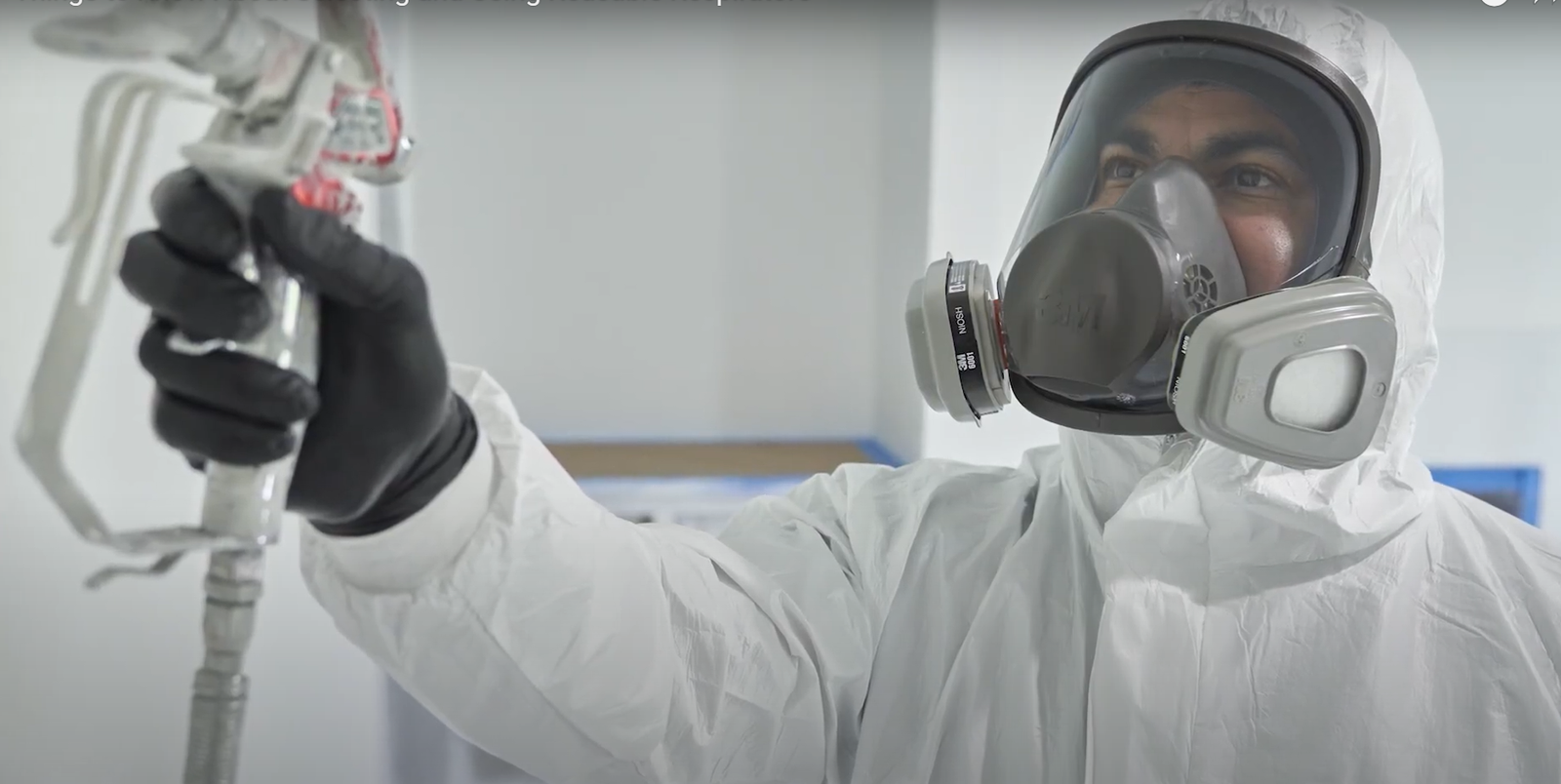
Concrete painting necessitates the use of proper respiratory protective equipment (RPE) to ensure safety. The presence of harmful chemicals in paints can pose significant health risks. It is crucial for painters to select the best respirator for painting to avoid exposure to these chemicals. A respirator equipped with a chemical cartridge filter provides protection against volatile organic compounds (VOCs). Disposable dust masks do not offer sufficient protection for painting tasks. Emphasizing the importance of using the best respirator for painting, Danny Lipford highlights the significance of a premium paint respirator kit. The correct selection of respirators aids in preventing respiratory issues. Always ensure to check the fit and seal of the respirator before commencing any painting project.
Understanding Respirators
Types of Respirators
Disposable Respirators
Disposable respirators offer a convenient option for short-term painting projects. These respirators provide basic protection against dust and non-toxic particles. Painters can use disposable respirators when working with water-based paints. However, these respirators do not protect against harmful chemicals found in solvent-based paints. Proper fit is essential for effective protection. Painters should replace disposable respirators regularly to maintain safety.
Reusable Respirators
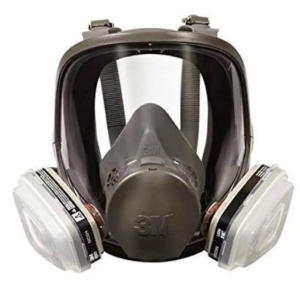
Reusable respirators serve as a more durable option for frequent painters. These respirators feature replaceable filters and cartridges. Painters can select different cartridges based on the type of paint and chemicals used. Reusable respirators offer better protection against volatile organic compounds (VOCs). Fit testing ensures that reusable respirators provide maximum protection. Regular maintenance and cleaning keep reusable respirators in good condition.
Powered Air-Purifying Respirators (PAPRs)
Powered air-purifying respirators (PAPRs) provide advanced protection for professional painters. These respirators use a battery-powered fan to draw air through filters. PAPRs offer superior protection against hazardous compounds in paints. Painters benefit from the increased comfort and airflow provided by PAPRs. These respirators are ideal for long-term projects involving commercial high-performance coatings and protective concrete coatings. Proper training is necessary to use PAPRs effectively.
Respirator Ratings and Standards
NIOSH Ratings
The National Institute for Occupational Safety and Health (NIOSH) sets standards for respirator safety. NIOSH ratings indicate the level of protection offered by different respirators. Painters should choose respirators with NIOSH-approved ratings for painting tasks. The best respirator for painting often features a P100 filter for optimal protection. NIOSH ratings ensure that respirators meet rigorous safety standards.
OSHA Standards
The Occupational Safety and Health Administration (OSHA) provides guidelines for workplace safety. OSHA standards require proper respiratory protection for workers exposed to harmful substances. Painters must follow OSHA guidelines when selecting respirators for painting. Compliance with OSHA standards helps prevent respiratory issues. Employers should provide appropriate RPE to ensure worker safety.
European Standards (EN 149)
European standards (EN 149) also govern respirator safety. EN 149 classifies respirators based on their filtration efficiency. Painters in Europe should choose respirators that meet EN 149 standards. These standards ensure that respirators provide adequate protection against paint fumes. European standards help maintain consistent safety levels across different regions.
Factors to Consider When Choosing a Respirator
Type of Paint and Chemicals Used
Solvent-based Paints
Solvent-based paints contain volatile organic compounds (VOCs). These compounds pose health risks during painting. A respirator with a chemical cartridge filter is essential for protection. The black-labeled cartridge offers resistance against organic vapors. Painters should select respirators specifically designed for solvent-based paints.
Water-based Paints
Water-based paints emit fewer harmful fumes. A disposable respirator can provide adequate protection. Painters should ensure the respirator fits well. Proper fit prevents exposure to airborne particles. Regular replacement of disposable respirators maintains safety.
Chemical Cartridge Considerations
Different cartridges protect against various hazards. Cartridges are available for mold, lead-based paint dust, and organic vapor. Painters should choose cartridges based on the specific chemicals used. Regular cartridge replacement is necessary for effective protection. Always verify that the respirator is NIOSH-approved.
Duration and Frequency of Use
Short-term Projects
Short-term projects require less frequent respirator use. Disposable respirators offer a convenient option. Painters should focus on proper fit and seal. Regularly check the respirator for any damage. Replace the respirator if it shows signs of wear.
Long-term Projects
Long-term projects demand durable respirators. Reusable respirators with replaceable filters are ideal. Fit testing ensures maximum protection. Painters should clean and maintain respirators regularly. Powered air-purifying respirators (PAPRs) offer increased comfort for extended use.
Fit and Comfort
Fit Testing
Fit testing ensures the respirator provides a proper seal. A proper seal prevents harmful particles from entering. Painters should perform a fit test before each use. Any facial hair can interfere with the seal. Ensure a clean-shaven face for optimal fit.
Comfort Features
Comfort features enhance the usability of respirators. Lightweight materials reduce fatigue during long projects. Adjustable straps allow for a customized fit. Soft face seals increase comfort for extended wear. Painters should consider these features when selecting RPE.
Practical Tips for Using Respirators
Proper Fit and Seal Check
How to Perform a Seal Check
A proper seal check ensures that the respirator fits correctly. Follow these steps to perform a seal check:
- Place the respirator on your face and adjust the straps for a snug fit.
- Cover the respirator’s filters with your hands.
- Inhale gently to create a vacuum inside the mask.
- Ensure no air leaks around the edges of the respirator.
The Occupational Safety and Health Administration (OSHA) emphasizes the importance of a user seal check every time you wear a respirator. This practice guarantees an adequate seal and enhances safety during painting tasks.
Common Fit Issues and Solutions
Common fit issues can compromise the effectiveness of a respirator. Here are some solutions:
- Gaps around the nose: Adjust the nose clip for a tighter fit.
- Loose straps: Tighten the straps to secure the respirator.
- Facial hair interference: Shave facial hair to improve the seal.
Addressing these issues ensures that the respirator provides optimal protection.
Maintenance and Care
Cleaning and Storage
Proper cleaning and storage extend the life of a respirator. Follow these guidelines:
- Clean the respirator after each use with mild soap and water.
- Dry the respirator thoroughly before storing it.
- Store the respirator in a clean, dry place away from direct sunlight.
Regular maintenance keeps the respirator in good condition and ready for use.
Filter Replacement Guidelines
Replacing filters regularly is crucial for effective protection. Consider these guidelines:
- Replace filters when breathing becomes difficult.
- Change filters if they become damaged or clogged.
- Follow the manufacturer’s recommendations for filter replacement intervals.
Consistent filter replacement ensures that the respirator continues to provide adequate protection.
Safety Precautions
Precautionary Measures for Safe Use
Safety precautions enhance the effectiveness of respirators. Keep these measures in mind:
- Conduct a fit test before using a new respirator model.
- Avoid using damaged or expired respirators.
- Ensure proper ventilation in the painting area.
These precautions help maintain a safe working environment.
Emergency Procedures in Case of Exposure
Knowing emergency procedures is vital in case of exposure to harmful substances. Follow these steps:
- Leave the contaminated area immediately.
- Remove the respirator carefully.
- Seek medical attention if symptoms occur.
Understanding these procedures prepares you for unexpected situations and protects your health.
Product Recommendations

Top Respirators for Painting
3M Premium Paint Respirator Kit
The 3M Premium Paint Respirator Kit offers comprehensive protection for painting tasks. This kit includes the 3M 7500 series half mask respirator, known for its comfort and fit. The kit also features 3M 6001 organic vapor cartridges, 3M 5P71 P95 prefilters, and 3M 501 filter retainers. Painters appreciate the lightweight design and ease of use. The respirator provides excellent protection against solvent-based and water-based paints. The NIOSH approval ensures high safety standards. The kit adapts to various application methods, including spraying and rolling. Painters can focus on their projects without worrying about harmful fumes.
Honeywell North 7700 Series
The Honeywell North 7700 Series respirator delivers reliable protection for professional painters. This reusable respirator features a soft silicone face seal for enhanced comfort. The dual cartridge system allows for easy replacement of filters. Painters benefit from the wide field of vision provided by the low-profile design. The respirator protects against organic vapors and particulates. Fit testing ensures a proper seal and maximum protection. Regular maintenance keeps the respirator in optimal condition. Painters trust the Honeywell North 7700 Series for long-term projects.
Budget-Friendly Options
GVS Elipse P100
The GVS Elipse P100 respirator offers an affordable option for painters. This lightweight respirator features a compact design for ease of use. The P100 filters provide high filtration efficiency against airborne particles. Painters appreciate the comfortable fit and adjustable straps. The respirator suits short-term projects and occasional use. Regular filter replacement maintains effective protection. Painters find the GVS Elipse P100 a cost-effective choice for respiratory safety.
Moldex 2400 N95
The Moldex 2400 N95 respirator serves as a budget-friendly solution for painting tasks. This disposable respirator offers protection against non-oil-based particulates. The N95 rating ensures filtration of at least 95% of airborne particles. Painters value the molded nose bridge for a secure fit. The respirator’s lightweight construction reduces fatigue during use. Painters should replace the respirator regularly for continued safety. The Moldex 2400 N95 provides an economical option for basic respiratory protection.
Choose the right respirator for painting projects to ensure safety. Select a respirator that matches the type of paint and chemicals used. Prioritize safety by performing regular fit tests and maintenance. Proper usage of respirators prevents health risks. Always focus on health and safety when painting. Protect yourself from harmful fumes and particles. Invest in quality respiratory protection for peace of mind. Return to this guide whenever you need to make an informed decision.