
Five different dust mask types & when to use them

Dust masks play a crucial role in protecting you from harmful particles in various environments. Whether you’re working in construction, gardening, or simply cleaning your home, dust masks are essential for your safety. Understanding the five different dust mask types & when to use them can make a significant difference in your health. Each type serves a unique purpose and offers varying levels of protection. From face covering masks to PAPR powered air purifying respirators, knowing which mask to choose ensures you stay safe and breathe easy.
Face covering masks
Overview of face covering masks
Face covering masks serve as a basic form of protection. These masks cover your nose and mouth. Many people use them as a source control measure. The Centers for Disease Control and Prevention (CDC) recommends these masks for the general public and healthcare personnel.
Material composition
Face covering masks come in various materials. Common options include cloth, disposable fabric, and surgical-grade materials. Cloth masks are reusable and offer different levels of filtration. Disposable masks are for one-time use and provide basic protection.
Common uses
People often wear face covering masks in public places. These masks help reduce the spread of droplets. Many individuals use them in non-hazardous environments. They are suitable for everyday activities like shopping or commuting.
Pros and cons
Pros
Face covering masks are easy to find. Many stores sell them. These masks are also affordable. People can buy them in bulk. Reusable cloth masks are washable. This feature makes them environmentally friendly.
Cons
Face covering masks offer limited protection. They do not filter out small particles. These masks are not suitable for hazardous environments. People might feel discomfort after wearing them for long periods. Some masks may not fit well, reducing their effectiveness.
Disposable safety face masks

Disposable safety face masks offer a convenient solution for short-term use in environments with dust exposure. These masks provide varying levels of protection based on their filtration capabilities. Understanding the differences among these masks helps you choose the right one for your needs.
Filtration levels applicable to disposable and semi-disposable respirators
Disposable masks come with different filtration levels, such as FFP1, FFP2, and FFP3. These levels indicate how well the mask filters out particles. Respirator and Mask Filtration and Fit Guidelines suggest that tight-fitting masks offer better filtration. Masks with gaps allow particles to enter, reducing their effectiveness.
Explanation of filtration levels
FFP1 masks provide basic protection against non-toxic dust. FFP2 masks offer a higher level of protection, suitable for moderate levels of dust exposure. FFP3 masks deliver the highest level of protection, filtering out fine particles. Choosing the right filtration level depends on the environment you’re in.
Understanding markings on disposable face masks
Disposable masks often have markings that indicate their filtration level and standards. These markings help you identify the mask’s capabilities and ensure you’re using the right one for your situation.
What do the markings mean?
Markings on masks usually include the filtration level, such as FFP1, FFP2, or FFP3. Some masks also display certification marks, like CE or NIOSH. These certifications ensure the mask meets specific safety standards. Knowing what these markings mean helps you make informed decisions when selecting a mask.
Dolomite testing for disposable safety masks
Dolomite testing evaluates a mask’s performance in dusty environments. This test measures how well a mask maintains its filtration efficiency over time.
Importance and process
Dolomite testing is important because it simulates real-world conditions. Masks that pass this test maintain their effectiveness in dusty settings. The process involves exposing the mask to dolomite dust and measuring its filtration efficiency. Masks that perform well in this test offer reliable protection in challenging environments.
Valved vs. non-valved disposable safety masks
Valved and non-valved disposable safety masks offer different benefits. Valved masks have a small valve on the front. This valve helps reduce heat and moisture inside the mask. Breathing becomes easier with a valved mask. However, the valve allows unfiltered air to escape. This feature makes valved masks less suitable for preventing the spread of germs. Non-valved masks filter both inhaled and exhaled air. These masks provide better protection in environments where germs are a concern. Scientific Research Findings show that tight-fitting masks offer better filtration. Masks with gaps let particles enter, reducing effectiveness.
Material composition
Disposable safety masks come in various materials. Most masks use non-woven fabric. This fabric provides good filtration. Some masks include multiple layers. Each layer serves a specific purpose. The outer layer repels water. The middle layer filters particles. The inner layer absorbs moisture. These layers work together to protect against dust and germs. The Base Camp M Plus Dust Mask Filtration Testing showed a high filtration rate. This testing highlights the importance of material quality in masks.
Pros and cons
Pros
Disposable safety masks offer several advantages. These masks are easy to use. No maintenance is required. Just wear and dispose of them. They provide good protection against dust and germs. Different filtration levels cater to various needs. Masks are lightweight and comfortable for short-term use.
Cons
Disposable masks also have drawbacks. These masks can become costly with frequent replacement. Environmental concerns arise due to waste. Valved masks may not prevent the spread of germs effectively. Non-valved masks can feel stuffy over time. Fit issues may reduce protection levels. Choosing the right mask depends on your environment and needs.
Reusable non-replacement filter half mask
Reusable non-replacement filter half masks offer a practical solution for those seeking long-term protection. These masks don’t require frequent filter changes, making them convenient for regular use in dusty environments.
Working life of non-replacement filter half mask
The working life of a reusable non-replacement filter half mask depends on several factors. The frequency of use plays a significant role. Regular cleaning and proper storage extend the lifespan. Environmental conditions also affect durability. Dusty or humid settings may reduce the mask’s effectiveness over time. Users should inspect masks regularly for wear and tear. Replacing a mask when it shows signs of damage ensures continued protection.
Material composition
Reusable non-replacement filter half masks consist of durable materials. Manufacturers often use silicone or thermoplastic elastomer for the mask body. These materials provide comfort and flexibility. The filter material varies based on the mask’s design. Some masks feature electrostatic filters for enhanced particle capture. Others use mechanical filters for dust and particulate matter. Understanding the materials helps users choose the right mask for their needs.
Cost considerations
Cost plays a crucial role when selecting a dust mask. Reusable non-replacement filter half masks often cost more upfront than disposable masks. However, the long-term savings can be significant. Users avoid frequent purchases of disposable masks. This factor makes reusable masks a cost-effective choice for regular use. Comparing the initial investment with ongoing expenses highlights the value of reusable masks.
Pros and cons
Pros
Reusable non-replacement filter half masks offer several benefits. You get long-term use without the need for frequent filter changes. This feature saves you money over time. The durable materials provide comfort and flexibility. These masks work well in dusty environments, giving you reliable protection. Regular cleaning keeps the mask effective, making it a sustainable choice.
Cons
These masks have some downsides too. The initial cost can be higher than disposable masks. You need to clean and maintain them regularly, which takes time. Dusty or humid conditions might reduce the mask’s lifespan. The mask might not fit everyone perfectly, affecting its effectiveness. You should inspect the mask for wear and tear to ensure safety.
Reusable half masks with replacement filters

Reusable half masks with replacement filters offer a flexible and durable solution for those who need reliable protection in dusty environments. These masks allow you to replace filters as needed, extending the mask’s lifespan and maintaining its effectiveness.
Working life of reusable half masks
Duration and maintenance
The working life of a reusable half mask depends on how often you use it and how well you maintain it. Regular cleaning and filter replacement keep the mask effective. Dusty environments may require more frequent filter changes. Inspecting the mask for wear and tear ensures continued protection. Proper storage also helps extend the mask’s lifespan.
Material composition
What are they made from?
Reusable half masks are made from sturdy materials like silicone or thermoplastic elastomer. These materials provide a comfortable fit and flexibility. The filters often contain activated carbon or electrostatic materials. These components capture dust and other particles effectively. Understanding the materials helps you choose a mask that suits your needs.
Cost considerations
Comparison with semi-disposable respirators
Reusable half masks with replacement filters can be more cost-effective than semi-disposable respirators. The initial investment might be higher, but the long-term savings are significant. You avoid frequent purchases of new masks. For example, the Basecamp M Plus Dust Mask includes six replacement filters, offering good value over time. This option reduces waste and provides a sustainable choice for regular use. Comparing costs helps you make an informed decision based on your budget and needs.
Pros and cons
Pros
Reusable half masks with replacement filters offer a bunch of benefits. You get long-lasting protection because you can swap out the filters whenever needed. This flexibility means you don’t have to buy new masks all the time. The materials used in these masks, like silicone or thermoplastic elastomer, provide a comfy fit. You can wear them for extended periods without feeling uncomfortable. The Basecamp M Plus Dust Mask is a great example. It comes with six replacement filters, which makes it a cost-effective choice over time. You save money and reduce waste by not constantly throwing away disposable masks.
Cons
There are some downsides to consider with reusable half masks. The initial cost might be higher compared to disposable options. You need to clean and maintain the mask regularly to keep it effective. This maintenance can take up some of your time. Dusty environments might require more frequent filter changes, adding to the upkeep. Some users might find that the mask doesn’t fit perfectly, which can affect its effectiveness. It’s important to check for wear and tear to ensure the mask continues to provide good protection.
PAPR powered air purifying respirators
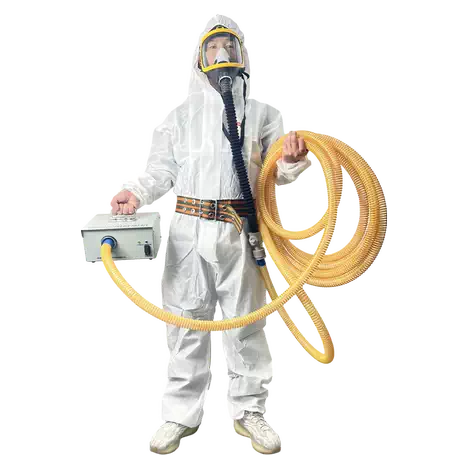
PAPR powered air purifying respirators offer a high level of protection in environments with harmful particles. These respirators use a battery-powered blower to push air through filters, providing clean air to the user. The design ensures comfort and efficiency for prolonged use.
Filtration levels
PAPR respirators meet specific standards to ensure effectiveness. The filtration levels depend on the type of filter used. High-efficiency particulate air (HEPA) filters capture 99.97% of airborne particles. This level of filtration makes PAPR respirators suitable for hazardous environments.
Applicable standards and effectiveness
Standards like NIOSH and CE certify PAPR respirators. These certifications guarantee the respirator’s ability to filter out harmful substances. Users can rely on certified PAPR systems for protection against dust, fumes, and other contaminants. The effectiveness of PAPR systems makes them ideal for industrial and healthcare settings.
Components of PAPR systems
PAPR systems consist of several key components. Each part plays a crucial role in the system’s functionality.
What do they consist of?
A typical PAPR system includes a facepiece, a blower unit, filters, and a battery pack. The facepiece covers the user’s nose and mouth. The blower unit draws air through the filters. The battery pack powers the blower, ensuring continuous airflow. Understanding these components helps users operate the system effectively.
Types of PAPR respirators
PAPR respirators come in various types. Each type caters to different needs and preferences.
Available options
Users can choose from full-face, half-mask, or hooded PAPR systems. Full-face respirators provide complete facial coverage. Half-mask options cover the nose and mouth. Hooded systems offer protection for the head and neck. Selecting the right type depends on the user’s environment and comfort requirements.
Functionality of PAPR systems
PAPR systems use a battery-powered blower to draw air through filters. This process ensures that you breathe clean air. The blower creates positive pressure inside the facepiece. This pressure prevents contaminated air from entering. PAPR respirators provide a high level of protection. You can rely on these systems in environments with harmful particles. The continuous airflow makes breathing easier. This feature enhances comfort during prolonged use.
How do they work?
PAPR respirators consist of several components. Each part plays a crucial role in the system’s operation. The facepiece covers your nose and mouth. The blower unit draws air through the filters. The battery pack powers the blower, ensuring continuous airflow. Understanding these components helps you operate the system effectively. Users can choose from different types of PAPR systems. Options include full-face, half-mask, or hooded designs. Selecting the right type depends on your environment and comfort needs.
Cost considerations
PAPR systems require an initial investment. The cost may seem high compared to other masks. However, the long-term benefits justify the expense. PAPR respirators offer durable protection. You can replace filters as needed. This feature extends the system’s lifespan. The continuous airflow reduces discomfort. Users find these systems cost-effective over time. Comparing costs helps you make an informed decision.
Long-term cost analysis
The initial cost of a PAPR system includes the facepiece, blower unit, and battery pack. Replacement filters add to the ongoing expenses. However, the durability of PAPR systems offsets these costs. Users avoid frequent purchases of disposable masks. The long-term savings make PAPR systems a wise investment. Evaluating the total cost over time highlights the value of these respirators.
Pros and cons
Pros
PAPR respirators offer numerous advantages. These systems provide a high level of protection. The continuous airflow enhances comfort. Users find breathing easier with PAPR systems. The design prevents contaminated air from entering. PAPR respirators suit various environments. The durability of these systems ensures long-term use. Users can replace filters as needed. This flexibility extends the system’s lifespan.
Cons
PAPR systems have some drawbacks. The initial cost may seem high. Replacement filters add to the ongoing expenses. The system requires regular maintenance. Users need to charge the battery pack. Some users might find the system bulky. The facepiece may not fit everyone perfectly. Proper fit ensures optimal protection. Users should evaluate their needs before choosing a PAPR system.
Choosing the right dust mask makes a big difference in your safety. Each type of mask offers unique benefits. Face covering masks work well for everyday activities. Disposable safety face masks provide short-term protection. Reusable non-replacement filter half masks offer long-term use without frequent filter changes. Reusable half masks with replacement filters give you flexibility with replaceable filters. PAPR powered air purifying respirators deliver high-level protection in hazardous environments.
To select the best mask, consider your environment and needs. Check out additional resources for more guidance. Consider products like the Basecamp M Plus Dust Mask for reliable protection.