
FFP1, FFP2, FFP3, N95, KN95: Which Mask is Best?
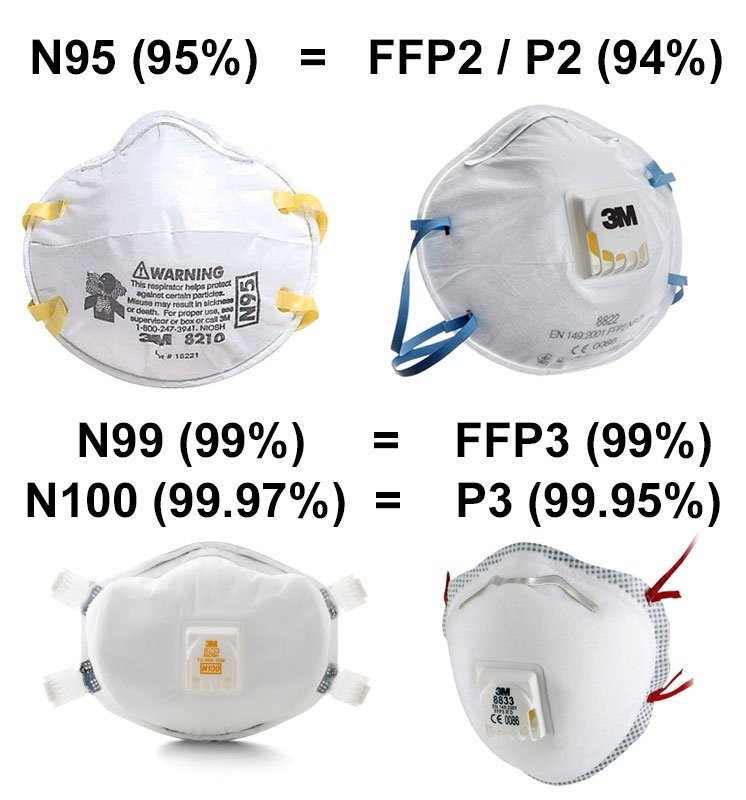
Understanding mask standards is crucial for effective protection against air pollution. Masks serve as a barrier, filtering harmful particles from the air. Different masks offer varying levels of protection. For instance, N95 masks significantly reduce virus transmission. Studies show that wearing masks can lower transmission cases by 47%. Smart Air purifiers enhance indoor air quality by using HEPA filters. These purifiers remove pollutants, providing cleaner air. Face masks complement air purifiers in safeguarding health. Businesses and homes benefit from air purifiers. Choosing the right mask ensures optimal protection. Mask standards vary globally, impacting effectiveness.
Understanding Mask Ratings and Standards
Global Mask Standards
Different regions have established specific standards for masks to ensure effective protection against airborne particles. These standards guide the production and certification of face masks.
European Standards (EN 14683)
The European standard EN 14683 classifies masks based on their filtration efficiency and breathability. This standard ensures that masks provide adequate protection in various environments. The classification includes Type I, II, and IIR masks, each offering different levels of bacterial filtration efficiency.
US Standards (N standard)
The United States uses the N standard to categorize masks. The N95 mask is a well-known example, providing 95% filtration efficiency against non-oil-based particles. This standard ensures that masks meet rigorous safety and performance criteria, making them suitable for healthcare settings.
Chinese Standards (YY 0469, KN standard)
China’s standards include the YY 0469 for surgical masks and the KN standard for respirators. The KN95 mask is equivalent to the N95, offering similar levels of protection. These standards ensure that masks effectively filter airborne particles, providing essential protection in high-risk areas.
Filtration Efficiency and Protection Levels
Understanding the filtration efficiency and protection levels of different masks helps users choose the right one for their needs.
FFP1: 80% filtration, APF 4x, OEL 4x
FFP1 masks offer basic protection with 80% filtration efficiency. These masks are suitable for low-risk environments. The Assigned Protection Factor (APF) and Occupational Exposure Limit (OEL) indicate moderate protection levels.
FFP2: 94% filtration, APF 10x, OEL 12x
FFP2 masks provide 94% filtration efficiency, making them effective for higher-risk situations. These masks are recommended during certain outbreaks. The APF and OEL values reflect enhanced protection, similar to N95 masks.
FFP3: 99% filtration, APF 20x, OEL 50x
FFP3 masks offer the highest level of protection with 99% filtration efficiency. These masks are ideal for environments with high exposure to hazardous particles. The APF and OEL values indicate superior protection, suitable for industrial use.
N95/KN95: Equivalent to FFP2 with CE mark
N95 and KN95 masks are equivalent to FFP2 masks, providing 95% filtration efficiency. These masks are widely used in healthcare settings. The CE mark ensures compliance with European safety standards.
Scientific Research Findings:
- Effectiveness of masks and respirators: Studies show that surgical masks can be as effective as N95 masks in preventing virus transmission.
- HEPA filters in air purifiers: HEPA filters in air purifiers enhance indoor air quality by removing pollutants. Face masks complement these purifiers by providing personal protection.
Detailed Comparison of Mask Types

FFP Masks
FFP1: Basic protection, reusable
FFP1 masks provide basic protection with 80% filtration efficiency. These masks are suitable for low-risk environments. Users can reuse FFP1 masks with proper cleaning. FFP masks are designed to offer moderate protection against airborne particles.
FFP2: Recommended for certain outbreaks, limited reuse
FFP2 masks filter at least 94% of airborne particles. This makes them effective during certain outbreaks. Limited reuse is possible if users follow guidelines. FFP masks primarily protect the wearer by filtering harmful particles.
FFP3: Highest protection, single-use
FFP3 masks offer the highest level of protection. These masks filter 99% of particles and are ideal for high-risk areas. Single-use ensures maximum safety. FFP masks offer superior protection levels compared to other types.
N95 and KN95 Masks

Similarities to FFP2
N95 and KN95 masks are similar to FFP2 in filtration efficiency. Both types filter at least 95% of particles. The American NIOSH standard certifies N95 masks. KN95 masks meet Chinese standards. These masks provide effective protection in healthcare settings.
Suitability for medical staff
Medical staff often use N95 and KN95 masks. These masks offer reliable protection against viruses. The design ensures a tight seal around the face. Filtering masks like these are essential in medical environments.
Surgical Masks vs. FFP Masks
Filtration capabilities
Surgical Type IIR masks provide good Bacterial Filtration Efficiency. These masks filter bacteria effectively but offer less protection for the wearer. FFP masks, however, filter a wider range of particles. The Difference Between FFP Masks and surgical masks lies in their filtration capabilities.
Protection for wearer vs. others
Surgical face masks protect others from the wearer’s droplets. FFP masks focus on protecting the wearer. Filtering half face masks ensure personal safety in hazardous conditions. Understanding these differences helps in choosing the right mask type.
Practical Considerations
Reusability and Maintenance
Guidelines for Cleaning and Disinfecting
Proper maintenance of face masks ensures optimal protection. Users should follow specific guidelines for cleaning and disinfecting reusable masks. Manufacturers often provide detailed instructions for maintaining mask hygiene. Regular cleaning helps remove trapped particles and extends the mask’s lifespan. Users should avoid using harsh chemicals that might degrade the mask material. A gentle soap and warm water solution typically suffices for cleaning. Masks should dry completely before reuse to maintain their filtering efficiency.
Manufacturer Instructions
Manufacturers play a crucial role in providing guidance on mask maintenance. Each mask type may have unique care instructions. Users should adhere to these guidelines to ensure the mask retains its protective qualities. Following manufacturer instructions helps maintain the mask’s APF and OEL values. Proper care also ensures that masks offer consistent protection against airborne particles. Users should regularly check for updates or changes in maintenance recommendations.
Fit and Design
Importance of a Tight Seal
A tight seal is essential for effective mask protection. Masks must fit snugly around the face to prevent air leakage. An improper fit can reduce the mask’s effectiveness, increasing exposure risk. Users should undergo a fit test to ensure the mask seals properly. Maintaining a clean-shaven face can enhance the mask’s fit. A well-fitted mask provides better protection by minimizing gaps where particles might enter.
Folded vs. Moulded Masks
Folded and moulded face masks offer different design features. Folded masks are flexible and easy to store. Moulded masks provide a more rigid structure, ensuring a consistent fit. Both designs aim to offer effective protection against airborne particles. Users should choose based on personal comfort and the specific environment. The design choice can impact the mask’s overall performance and user satisfaction.
Valved vs. Unvalved Masks
Breathability and Protection for Others
Valved masks offer improved breathability for the wearer. The valve allows exhaled air to escape, reducing heat and moisture buildup. However, valved masks might not protect others from the wearer’s exhaled particles. Unvalved masks filter both inhaled and exhaled air, offering protection for both the wearer and those nearby. Users should consider the environment and the level of protection needed when choosing between valved and unvalved masks. In settings where protecting others is a priority, unvalved masks are preferable.
Understanding mask ratings is essential for selecting the right face covering. FFP1, FFP2, and FFP3 masks offer varying levels of protection. FFP3 masks provide the highest protection against airborne particles. N95 and KN95 masks are similar to FFP2 masks in effectiveness. Proper fit ensures maximum protection. Design elements like folded or molded masks impact effectiveness. Face masks and air purifiers work together to protect health. View ProductSurgical Face Masks for reliable options. Regular updates on face covering standards enhance safety. Air purifiers improve indoor air quality, complementing face masks.