
Clear Face Shield: Essential for Safe Grinding
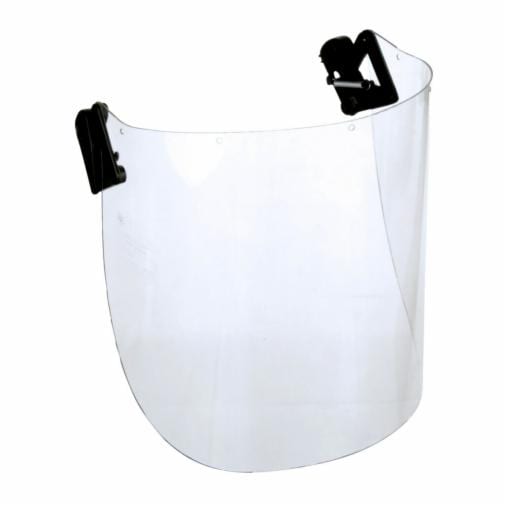
Grinding tasks can be risky without proper safety measures. Angle grinders alone cause about 5,000 injuries annually. A clear face shield plays a crucial role in protecting against hazards like flying debris and sparks. OSHA statistics show a 20% fatality rate from grinder kickbacks. Clear face shields offer essential protection, ensuring safety during grinding activities.
Importance of Clear Face Shields in Grinding
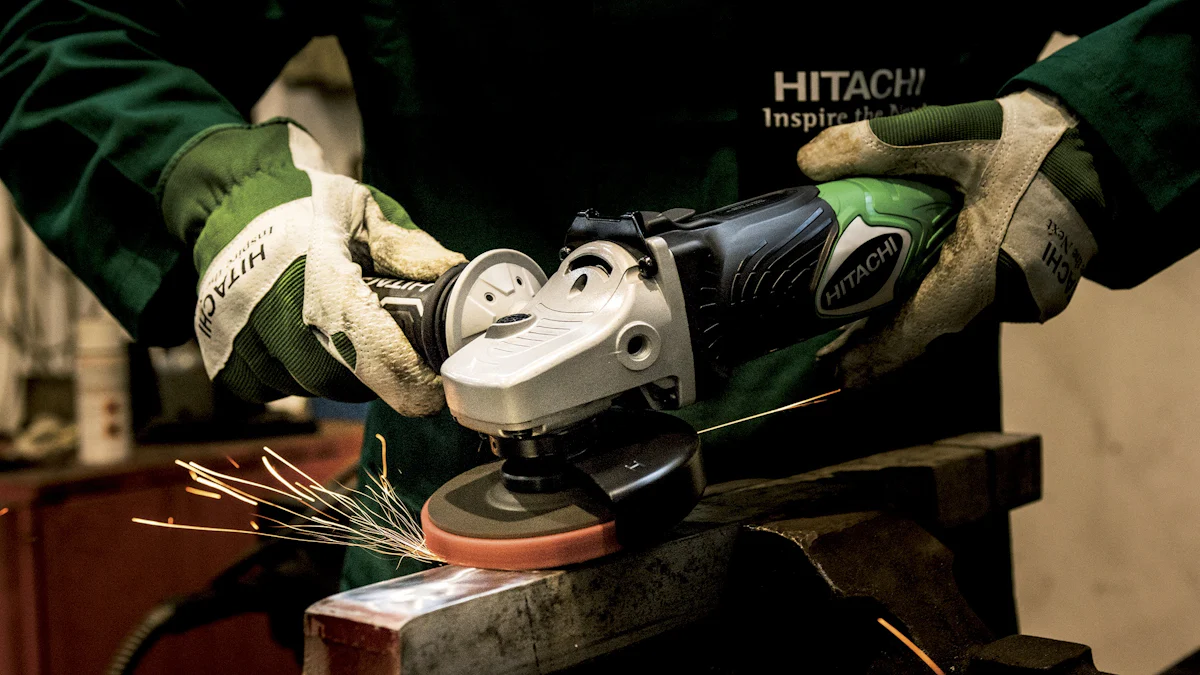
Protection Against Hazards
Grinding can be dangerous. A clear face shield protects against flying debris. Small fragments can cause serious injuries. The shield acts as a barrier. Workers stay safe from unexpected projectiles.
Sparks and particles also pose risks. Grinding generates hot sparks. These sparks can burn the skin. A clear face shield blocks these hazards. It ensures that the worker’s face remains unharmed. Particles from grinding can damage the eyes. The shield prevents these particles from reaching the eyes.
Enhancing Visibility
A clear face shield offers excellent visibility. Precision is crucial in grinding tasks. Clear vision helps achieve accurate results. Workers can see their work clearly. This leads to better performance and fewer mistakes.
Eye strain is a common issue. Long hours of grinding can tire the eyes. A clear face shield reduces eye strain. It provides a comfortable working experience. Workers can focus on their tasks without discomfort.
Materials Used in Clear Face Shields
Clear face shields come in various materials, each offering unique benefits and drawbacks. Understanding these materials helps in choosing the right shield for specific grinding tasks.
Acetate
Benefits and Drawbacks
Acetate is a popular material for clear face shields due to its excellent optical clarity. Workers appreciate the clear vision that acetate provides, which enhances precision during grinding tasks. Acetate shields resist chemicals well, making them suitable for environments where exposure to harmful substances occurs.
However, acetate has some drawbacks. It tends to scratch more easily than other materials. Frequent replacements may be necessary if the shield gets damaged. Additionally, acetate does not offer the same level of impact resistance as other materials, which can be a concern in high-risk environments.
Acrylic
Benefits and Drawbacks
Acrylic is another common material used in clear face shields. One of the main benefits of acrylic is its lightweight nature. Workers find acrylic shields comfortable to wear for extended periods. Acrylic also provides good optical clarity, ensuring that workers can see their tasks clearly.
Despite these advantages, acrylic has its limitations. It is less impact-resistant compared to polycarbonate. This means that acrylic shields may not provide adequate protection in environments with high-velocity debris. Acrylic can also become brittle over time, especially when exposed to UV light, leading to potential breakage.
Polycarbonate
Benefits and Drawbacks
Polycarbonate stands out as a top choice for clear face shields due to its superior impact resistance. Workers in high-risk environments prefer polycarbonate shields because they can withstand high-velocity impacts from flying debris. Polycarbonate also offers excellent optical clarity, ensuring that workers can perform their tasks with precision.
Polycarbonate shields have additional benefits. They often come with UV protection, safeguarding workers from harmful ultraviolet rays. The material is also abrasion-resistant, reducing the likelihood of scratches and extending the shield’s lifespan.
However, polycarbonate shields can be more expensive than those made from acetate or acrylic. The higher cost may be a consideration for budget-conscious buyers. Despite this, the enhanced protection and durability often justify the investment.
Features and Advantages of Clear Face Shields
UV Protection
Importance of UV Protection
Grinding tasks often expose workers to harmful ultraviolet (UV) rays. Prolonged exposure can lead to serious eye conditions, including cataracts and macular degeneration. Protecting the eyes from UV rays becomes crucial in ensuring long-term eye health. A clear face shield with UV protection acts as a barrier, safeguarding the eyes from these harmful rays.
How Clear Face Shields Provide UV Protection
Clear face shields designed for UV protection block UV wavelengths ranging from 200nm to 450nm. This range covers the most harmful UV rays. The material used in these shields, such as polycarbonate, inherently provides UV resistance. Workers benefit from both impact protection and UV shielding, making these shields an essential part of safety gear.
Impact Resistance
Testing Standards
Clear face shields undergo rigorous testing to ensure they meet safety standards. Organizations like ANSI and OSHA set these standards. Tests include high-velocity impact tests where projectiles are shot at the shield. Only shields that withstand these impacts without breaking or deforming pass the tests. This ensures that workers receive reliable protection against flying debris.
Real-World Examples
In real-world scenarios, clear face shields have proven their worth. Metalworkers and fabricators often face high-velocity particles during grinding. A clear face shield prevents injuries by absorbing the impact. For instance, a worker grinding metal experienced a sudden burst of sparks. The clear face shield blocked the sparks, preventing facial burns and eye injuries. Such examples highlight the importance of using high-quality face shields.
Ease of Cleaning
Cleaning Methods
Maintaining a clear face shield involves regular cleaning. Workers should use a dry, lint-free cloth to wipe the shield gently. For more thorough cleaning, an EPA-registered hospital disinfectant solution works well. After applying the disinfectant, rinsing with water or alcohol removes any residue. Air drying ensures the shield remains clear and free from streaks.
Maintenance Tips
Regular inspection of the clear face shield helps identify any damage. Workers should check for scratches, cracks, or other signs of wear. Replacing damaged shields ensures continuous protection. Proper storage also extends the life of the shield. Keeping the shield in a protective case prevents accidental damage. Following these maintenance tips ensures the shield remains effective and reliable.
Proper Use and Maintenance of Clear Face Shields

How to Wear a Face Shield Correctly
Adjusting the Fit
Getting the right fit on a clear face shield matters. A loose shield won’t protect well. Workers should start by adjusting the headband. Most face shields have a ratchet system. Turning the knob tightens or loosens the fit. The shield should sit snugly without causing discomfort. A proper fit ensures the shield stays in place during grinding tasks.
Ensuring Full Coverage
Full coverage is crucial for safety. The clear face shield should cover the entire face. This includes the forehead, eyes, nose, and chin. Workers should check the shield’s position before starting work. Any gaps can let debris through. Ensuring full coverage protects against flying particles and sparks. A well-positioned shield offers the best protection.
Maintenance Tips
Regular Inspection
Regular inspection keeps a clear face shield in good condition. Workers should look for scratches, cracks, or other damage. Damaged shields can’t provide full protection. Replacing a worn-out shield prevents accidents. A quick check before each use can make a big difference. Safety depends on using a shield in top shape.
Cleaning and Storage
Cleaning a clear face shield is simple but important. Workers should use a dry, lint-free cloth for daily cleaning. For deeper cleaning, an EPA-registered disinfectant works well. Rinsing with water or alcohol removes any residue. Air drying keeps the shield clear and streak-free. Proper storage also extends the shield’s life. Keeping it in a protective case prevents accidental damage. Clean and store the shield properly to ensure long-lasting use.
Clear face shields play a vital role in ensuring safety during grinding tasks. Investing in high-quality protective gear can prevent injuries and enhance productivity. Safety should always come first in any work environment. Workers need to wear clear face shields to protect against flying debris, sparks, and harmful UV rays. Regular maintenance and proper use of face shields ensure long-lasting protection. Remember, a safe worker is a productive worker. Prioritize safety and make clear face shields an essential part of your protective gear.