
Choosing Type I vs. Type II Hard Hats: A Comprehensive Guide
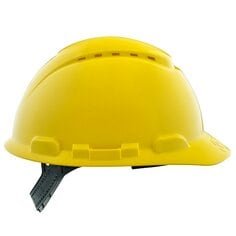
Head protection in the workplace remains crucial for ensuring worker safety. Hard hat usage can significantly reduce the risk of traumatic brain injuries (TBI). From 2003 to 2010, 2,210 construction workers died due to TBIs. In 2012 alone, head injuries resulted in 65,000 cases involving days away from work and 1,020 fatalities. Two types of hard hats exist: Type I and Type II. This guide aims to help readers make informed decisions regarding the selection of appropriate head protection.
Understanding the Importance of Head Protection
Common Workplace Hazards
Falling Objects
Falling objects pose significant risks in many industries. Construction sites, warehouses, and manufacturing plants often experience incidents involving tools, materials, or debris falling from heights. Hard hats mitigate these dangers by absorbing the impact and preventing head injuries.
Electrical Hazards
Electrical hazards present another critical risk. Workers in environments with high-voltage equipment or exposed wiring face potential electrocution. Hard hats classified as Class E (Electrical) can withstand up to 20,000 volts, providing essential protection against electrical shocks.
Impact and Penetration Risks
Impact and penetration risks occur when objects strike the head with force. These incidents can happen in various settings, including construction, mining, and forestry. Type II hard hats offer comprehensive protection by reducing force from impacts to the top, front, back, and sides of the head.
Statistics on Head Injuries
Industry-specific Data
Head injuries remain prevalent across multiple industries. The construction sector reported 2,210 worker fatalities due to traumatic brain injuries from 2003 to 2010. In 2012, head injuries accounted for 65,000 cases involving days away from work. These statistics highlight the critical need for effective head protection.
Case Studies
Case studies provide real-world examples of head injury incidents. One study investigated the performance of safety helmets versus hard hats. The findings revealed that hard hats outperformed safety helmets in reducing the probability of concussion. Another study examined hard hat performance in mitigating head accelerations from impacts. The results suggested that current designs may not optimize protection for impacts to a forward-flexed head.
Regulatory Requirements
OSHA Standards
The Occupational Safety and Health Administration (OSHA) mandates specific standards for head protection. Employers must ensure that workers wear hard hats when exposed to potential head injury hazards. OSHA standards emphasize the importance of compliance to prevent workplace injuries.
ANSI/ISEA Standards
The American National Standards Institute (ANSI) and the International Safety Equipment Association (ISEA) establish performance and testing requirements for hard hats. The ANSI Z89.1-2014 standard classifies hard hats into Type I and Type II based on impact resistance. This standard ensures that hard hats meet rigorous safety criteria, providing reliable protection for workers.
Types and Classes of Hard Hats
Type I Hard Hats
Definition and Characteristics
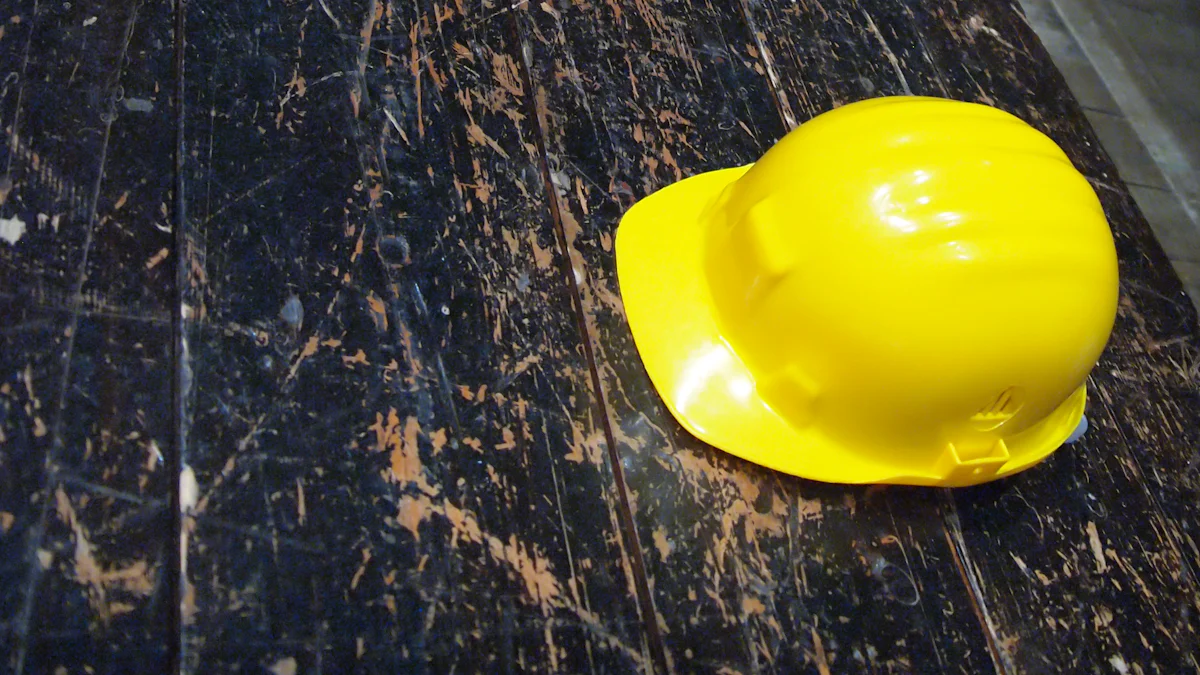
Type I hard hats protect the head from impacts to the top. These hard hats are essential in environments where falling objects pose a significant risk. The design focuses on absorbing the force from direct vertical impacts. Type I hard hats typically feature a suspension system that distributes the impact force over a larger area, reducing the risk of injury.
Suitable Work Environments
Type I hard hats are suitable for construction sites, warehouses, and other settings where overhead hazards exist. Workers in these environments often face risks from falling tools, materials, or debris. Type I hard hats provide the necessary protection to prevent injuries from such incidents.
Type II Hard Hats
Definition and Characteristics
Type II hard hats offer comprehensive protection against impacts from multiple directions. These hard hats protect not only the top of the head but also the front, back, and sides. The interior of a Type II hard hat includes high-density foam and a suspension system that absorbs blows from various angles. This design ensures that workers receive optimal protection in environments with lateral impact risks.
Suitable Work Environments
Type II hard hats are ideal for industries with higher lateral impact risks, such as construction, industrial manufacturing, and mining operations. Workers near moving machinery or equipment benefit from the enhanced protection provided by Type II hard hats. These hard hats also offer better ventilation and comfort, making them suitable for extended wear.
Classes of Hard Hats
Class G (General)
Class G hard hats provide general protection and can withstand up to 2,200 volts of electricity. These hard hats are suitable for environments where electrical hazards exist but are not the primary concern. Workers in general construction, utility work, and maintenance tasks often use Class G hard hats.
Class E (Electrical)
Class E hard hats offer protection against electrical hazards and can withstand up to 20,000 volts. These hard hats are essential for workers in high-voltage environments, such as electricians and utility workers. Class E hard hats ensure safety from electrical shocks and burns.
Class C (Conductive)
Class C hard hats do not protect against electrical hazards. These hard hats are designed for environments where electrical risks are minimal or non-existent. Workers in industries like manufacturing, where electrical insulation is not required, often use Class C hard hats. These hard hats focus on providing impact protection and comfort.
Selection Criteria for Hard Hats
Job Requirements
Specific Tasks and Hazards
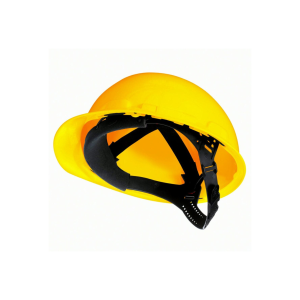
Selecting the appropriate hard hat depends on the specific tasks and hazards present in the work environment. Workers in construction, mining, or industrial settings face different risks. Falling objects, electrical hazards, and lateral impacts necessitate distinct types of head protection. A thorough assessment of workplace hazards ensures that workers receive optimal protection.
Industry-specific Needs
Different industries have unique requirements for head protection. Construction workers need hard hats that protect against falling debris and tools. Electricians require headgear with high electrical insulation to prevent shocks. Industrial workers benefit from hard hats that offer comprehensive protection against lateral impacts. Understanding industry-specific needs helps in choosing the right hard hat.
Safety Standards
Compliance with Regulations
Compliance with safety standards is crucial when selecting a hard hat. The Occupational Safety and Health Administration (OSHA) mandates that employers provide head protection for workers exposed to potential head injury hazards. Adhering to OSHA standards ensures that hard hats meet the necessary safety criteria, reducing the risk of workplace injuries.
Certification Labels
Certification labels on hard hats indicate compliance with established safety standards. The American National Standards Institute (ANSI) and the International Safety Equipment Association (ISEA) classify hard hats into Type I and Type II based on impact resistance. Checking certification labels ensures that the selected hard hat provides reliable protection.
Environmental Conditions
Weather Resistance
Environmental conditions play a significant role in the selection of hard hats. Workers exposed to extreme weather conditions need headgear that offers weather resistance. Hard hats designed for outdoor use should withstand rain, snow, and intense sunlight. Proper weather resistance ensures that the hard hat remains effective in various environmental conditions.
Chemical Exposure
Chemical exposure presents another critical factor in selecting a hard hat. Workers in chemical plants or laboratories need head protection that resists chemical degradation. Materials used in the construction of hard hats should withstand exposure to harmful chemicals without compromising safety. Ensuring chemical resistance enhances the durability and effectiveness of the hard hat.
Maintenance and Inspection of Hard Hats
Regular Inspection Procedures
Visual Checks
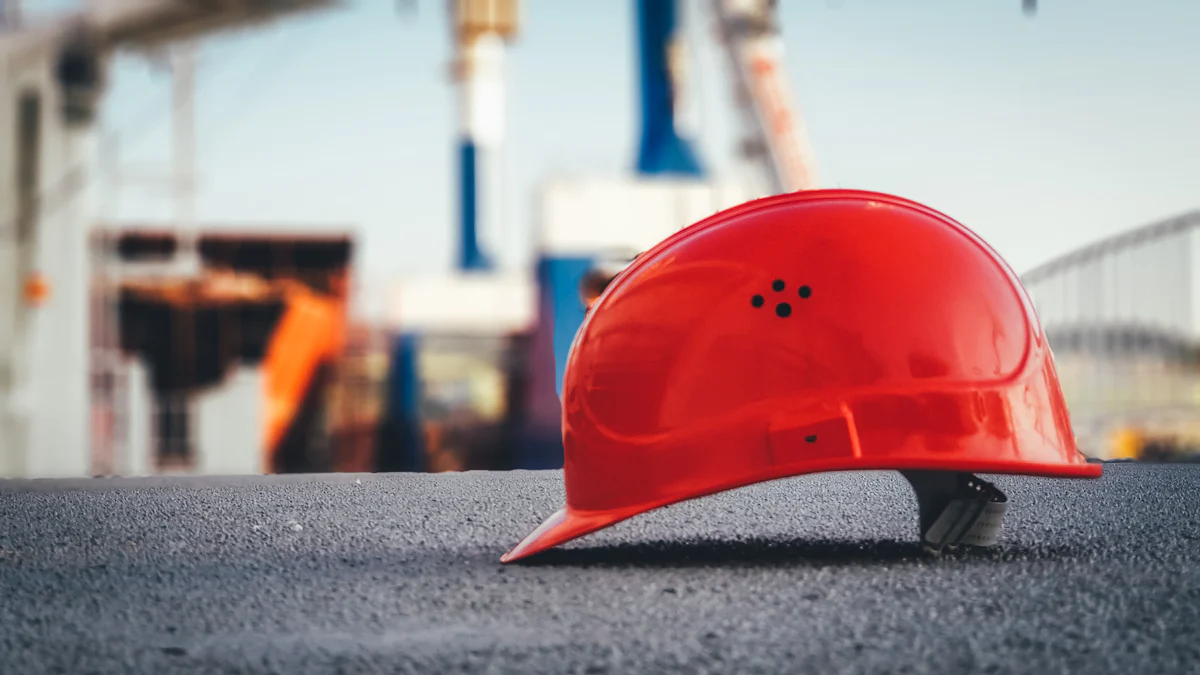
Workers must perform visual checks on hard hats regularly. Inspect the shell for cracks, dents, or any signs of damage. Examine the suspension system for frayed straps or broken components. Ensure that the hard hat remains free from any visible defects.
Functional Tests
Conduct functional tests to ensure the hard hat’s integrity. Check the suspension system’s elasticity by pressing down on the top of the hard hat. Verify that the suspension system absorbs and distributes force effectively. Confirm that the hard hat fits securely and comfortably on the head.
Cleaning and Storage Tips
Recommended Cleaning Agents
Use mild soap and hot water to clean hard hats. Avoid using harsh chemicals or solvents that can degrade the material. Rinse the hard hat thoroughly and allow it to air dry. Regular cleaning maintains the hard hat’s appearance and ensures its longevity.
Proper Storage Practices
Store hard hats in a cool, dry place away from direct sunlight. Avoid placing heavy objects on top of stored hard hats. Ensure that the storage area remains free from chemicals and other hazardous substances. Proper storage practices prevent damage and prolong the hard hat’s lifespan.
Replacement Guidelines
Signs of Wear and Tear
Replace hard hats showing signs of wear and tear. Look for cracks, dents, or discoloration on the shell. Check the suspension system for stretched or frayed straps. Any hard hat that has sustained a significant impact should be replaced immediately.
Manufacturer Recommendations
Follow manufacturer recommendations for hard hat replacement. Most manufacturers suggest replacing hard hats every five years. Replace the suspension system annually to ensure optimal protection. Adhering to manufacturer guidelines guarantees that workers receive the best possible head protection.
Choosing the right hard hat requires careful consideration of various factors. Understanding the differences between Type I and Type II hard hats is essential for optimal protection. Evaluating job requirements, safety standards, and environmental conditions ensures the selection of appropriate headgear.
Workers should prioritize safety and compliance with regulations. Regular maintenance and inspection of hard hats maintain their effectiveness. Employers must encourage adherence to safety protocols. Proper head protection significantly reduces the risk of injuries in the workplace.