
Choosing the Best Dust Mask for Woodworking
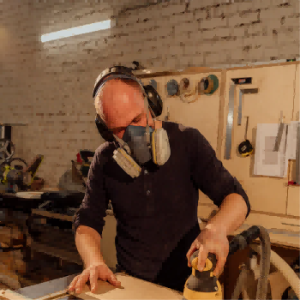
Woodworking can be a rewarding craft, but it poses significant health risks. Wood dust, often generated during tasks like cutting and sanding, can lead to respiratory issues and allergic reactions. The Occupational Safety and Health Administration (OSHA) emphasizes the importance of using Protective Equipment like a dust mask for woodworking to safeguard your lungs. Exposure to wood dust increases the risk of lung cancer by up to 40%. You need to choose the right mask to protect yourself. Options range from a Basic Dust Mask to more advanced respirators. Each offers varying levels of protection, known as APF (Assigned Protection Factor).
Clearing the Air: A Woodworker’s Guide to Facemasks for Dust and Finish

Understanding Wood Dust
Health Risks of Wood Dust
Wood dust poses serious health risks. The Centers for Disease Control highlights that inhaling wood dust can lead to respiratory issues and allergic reactions. You might experience symptoms like shortness of breath, dryness, and sore throat. The Disease Control and Prevention warns about the potential for more severe conditions. Studies show a link between wood dust exposure and an increased risk of lung cancer. Research found that those exposed to wood dust had a 20% higher chance of developing lung cancer. The risk varies based on geographic location and the type of wood dust.
Importance of Dust Masks
A Good Dust Mask plays a crucial role in protecting your lungs. The Disease Control and Prevention recommends using dust mask respirators to prevent inhalation of harmful particles. A Respirator Dust Mask can significantly reduce exposure to wood dust. You should choose a mask that fits well and provides adequate protection. Consider masks with a high CFR rating for better safety. The NIOSH-approved masks ensure quality and effectiveness. Always prioritize your health by wearing a dust mask during woodworking activities.
Types of Masks
Disposable Masks

Disposable Dust Masks offer convenience and ease of use. These masks are suitable for short-term projects. You can find them with various Dust Mask Ratings. Look for masks with a breathing valve to reduce resistance. The CDC suggests using masks with foam face seals for a better fit. Disposable masks are affordable and readily available. However, they may not provide the same level of protection as reusable options.
Reusable Half Mask Respirators
The GVS Elipse Half Mask is a popular choice among woodworkers. This Half Mask offers durability and comfort. You can use it for extended periods without discomfort. The Respirator Reuse and Extended feature allows for long-term use. A Half Mask Reusable Respirator provides better protection than disposable masks. You can pair it with different filters for specific needs. The Alpha Sentinel Half Mask is another reliable option. It ensures a tight seal and effective filtration.
Reusable Full Face Respirators
A Full Face Mask Respirator offers comprehensive protection. This type of mask covers your eyes, nose, and mouth. The Alpaha Sentinel Full Face mask is ideal for environments with significant wood dust. A Full Face Respirator Mask prevents irritation from dust mist and fumes. You can use it for major dust projects that require maximum protection. The NIOSH-approved full face masks ensure safety and reliability. Choose a mask with adjustable straps for a secure fit.
Types of Filters
Choosing the right filter for your dust mask is crucial for effective protection. Filters come in different types, each designed for specific uses and levels of protection. Understanding these can help you make an informed decision.
Particulate Filters
Features and Uses
Particulate filters are essential for capturing airborne particles like wood dust. These filters, such as N95, N99, and N100, offer varying levels of filtration efficiency. The Institute for Occupational Safety recommends using filters that capture at least 95% of airborne particles. The NIOSH Office of Construction emphasizes the importance of using high-efficiency filters to protect against fine dust. You should consider filters with a high particulate rating for woodworking projects. The Public Health Service advises replacing filters regularly to maintain effectiveness.
Compatibility with Masks
Particulate filters must fit well with your mask to ensure proper protection. Many masks, like the Reusable Half Mask Respirator, allow for easy filter replacement. The Office of Construction Safety suggests checking compatibility before purchasing filters. Some masks, like the Full Face Mask Respirator, use advanced filters that trap almost all particles. Always ensure the filter fits securely to prevent leaks.
Gas/Vapour Filters
Features and Uses
Gas/vapor filters protect against harmful gases and vapors. These filters are essential when working with finishes or chemicals. The Health and Human Services department highlights the need for gas filters in environments with chemical exposure. Filters like the R95, R99, and R100 provide protection against both particles and gases. The National Institute for Occupational safety standards recommend using gas filters for comprehensive protection.
Compatibility with Masks
Gas/vapor filters must be compatible with your mask for effective use. Masks like the Reusable Full Face Mask Respirator often support multiple filter types. The Office of Construction Safety advises ensuring that the filter and mask form a tight seal. Proper compatibility ensures that the filter functions correctly, providing maximum protection.
Combination Filters
Features and Uses
Combination filters offer dual protection against particles and gases. These filters combine a particulate filter with a gas filter. The Health and Human Services department recommends combination filters for environments with mixed hazards. Combination filters are ideal for projects involving both dust and chemical exposure. The Public Health Service supports using combination filters for comprehensive safety.
Compatibility with Masks
Combination filters require masks that support dual-filter systems. Many reusable masks, like the 3M Woodworking Respirator Masks, accommodate combination filters. The Office of Construction Safety suggests verifying mask specifications for compatibility. Ensuring a proper fit between the mask and filter enhances protection and comfort.
Choosing the right filter involves understanding your specific needs and ensuring compatibility with your mask. Always prioritize safety by selecting filters that meet the standards set by the NIOSH Office of Construction and other safety organizations.
Choosing the Right Mask and Filter

Choosing the right mask for your woodworking adventures is crucial. Let’s explore how to make the best choice.
Assessing Your Needs
First, consider the type of projects you tackle. Are you working with heavy-duty materials or lighter ones?s The kind of work you do can influence the mask you need. For example, construction workers often need more robust protection due to the intense nature of their work.
Next, think about the duration and frequency of use. If you’re in your workshop every day, a durable mask might be necessary. On the other hand, if you only work occasionally, a less costly option could suffice. The Department of Health suggests assessing your work routine to determine the best fit.
Evaluating Mask Features
When it comes to features, comfort and fit are essential. A comfortable mask ensures you can work longer without discomfort. The ReadiMask is known for its comfort and performance, making it a popular choice. Envo Mask offers a great fit and is N95 certified, providing excellent filtration. However, it may have a higher inhalation resistance.
Durability and maintenance are also key factors. A mask that lasts through multiple March and November seasons is ideal. Some masks, like the Envo Mask, may experience issues after 6-12 months. Always check the maintenance requirements before purchasing.
Making an Informed Decision
When making your decision, consider your budget. The Department suggests balancing cost with quality. While some masks may seem pricey, they often offer better protection and longer lifespan.
Finally, look at brand reputation and reviews. Trusted brands often provide reliable products. Construction Safety experts recommend researching customer reviews to ensure you’re making a wise choice. Remember, your safety is worth the investment.
By taking these factors into account, you can confidently choose the right mask for your needs. Stay safe and enjoy your woodworking journey!
Choosing the best dust mask for woodworking is crucial. You need to prioritize safety in every project. Wood dust can cause serious health issues. Investing in quality protective gear ensures long-term well-being. The ReadiMask Particle Mask offers excellent protection and comfort. Users praise its fit and performance. Adhesive technology enhances safety by reducing leakage. The mask moves with you, providing confidence during tasks. Remember that your health is invaluable. Make informed decisions when selecting masks. Protect yourself and enjoy woodworking safely.