
Which Mask Works Best for Your Task
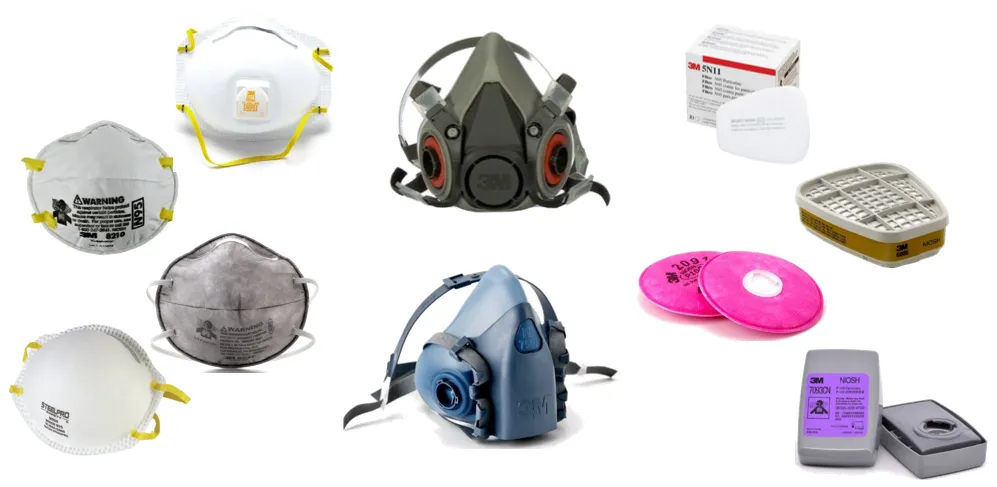
Respiratory protection matters a lot in agriculture. Farmers face dangers from airborne particles and chemicals. The agriculture industry sees high fatal injury rates, with 18.6 deaths per 100,000 full-time equivalents. Protecting yourself is crucial. The NDSU Agricultural Respirator Selection Guide helps you choose the right mask. Which mask works best for your task? This guide makes it simple. You’ll find clear information on selecting the right respirator for safety. Stay informed and keep safe in the field.
Which Mask and Respirator Types
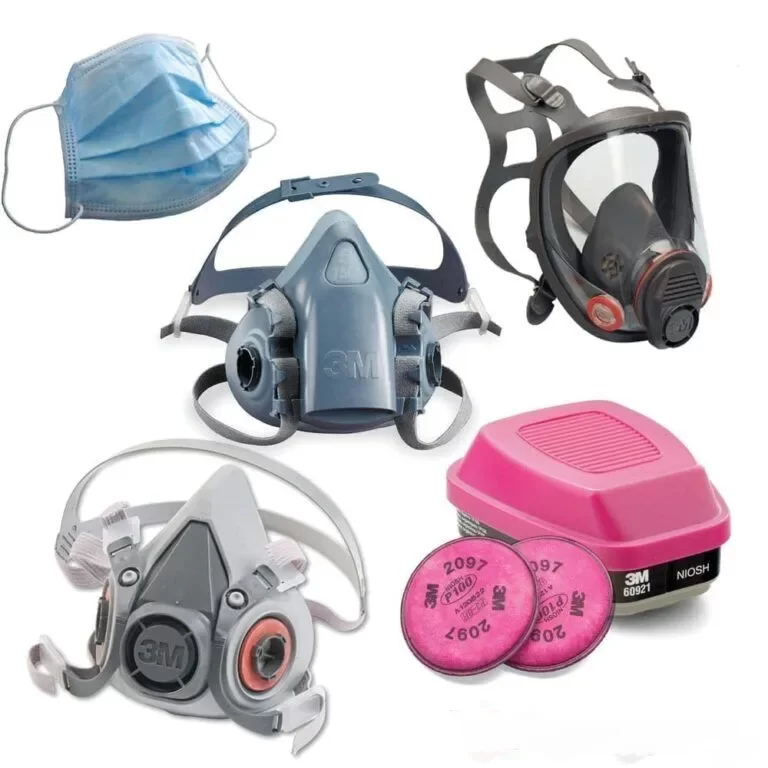
Choosing the right mask can feel overwhelming. Let’s break it down. Different tasks need different masks. Understanding these types helps you stay safe.
Atmosphere-Supplying Respirators
These respirators provide clean air from a separate source. They’re great for environments with low oxygen.
Self-Contained Breathing Apparatus (SCBA)
SCBA units offer complete independence. You carry your air supply. Firefighters often use these. SCBA suits high-risk tasks.
Supplied-Air Respirators (SAR)
SARs connect to an air source through a hose. These can have tight or loose-fitting inlets. Options include hoods, helmets, or facepieces. Filters trap particles. Cartridges absorb gases. Choose the right filter for your chemicals.
Air-Purifying Respirators
These respirators clean the air around you. They filter out harmful particles and gases.
Particulate Respirators
Particulate respirators focus on filtering dust and other particles. These come in forms like half-face masks or full facepieces. Farmers often use them for dusty tasks.
Gas and Vapor Respirators
Gas and vapor respirators handle harmful fumes. Cartridges in these masks absorb gases. Proper selection ensures safety. Always match the cartridge to the specific hazard.
Understanding which mask works best for your task ensures effective protection. Stay informed and choose wisely.
Filters and Cartridges

Understanding filters and cartridges is crucial when deciding which mask works best for your task. Filters and cartridges play a big role in keeping you safe from harmful particles and gases. Let’s dive into the details.
Understanding Filter Ratings
Filter ratings help you know how effective a mask is at filtering out particles. Knowing these ratings ensures you pick the right mask for your needs.
N95 Ratings
N95 ratings mean the mask filters out 95% of airborne particles. This rating suits tasks with dust or other small particles. Farmers often use N95 masks for dusty environments. The N95 rating provides reliable protection.
Oil Resistance (R and P Series)
Oil resistance matters when working around oily particles. R series masks resist oil for a limited time. P series masks offer more extended protection against oil. Choosing the right series depends on your specific task. Consider the presence of oil when selecting which mask to use.
Cartridge Selection
Cartridges are essential for filtering gases and vapors. Selecting the right cartridge ensures safety during various tasks.
Chemical-Specific Cartridges
Chemical-specific cartridges target particular gases or vapors. Each cartridge matches a specific chemical hazard. Reading labels helps you choose the correct cartridge. Proper selection keeps you safe from harmful fumes.
Multi-Gas Cartridges
Multi-gas cartridges handle several types of gases. These cartridges offer flexibility for different tasks. Multi-gas options suit environments with multiple hazards. Always check compatibility with your respirator.
Choosing the right filters and cartridges makes a big difference. Knowing which mask works best for your task ensures effective protection. Stay informed and make smart choices for your safety.
Mask Specifications and Compliance
Understanding mask specifications helps you choose the right protection. Compliance with guidelines ensures safety in agricultural tasks. Let’s dive into the details.
Reading Pesticide and Chemical Labels
Labels on pesticides and chemicals provide essential information. Reading these labels helps you know which mask works best for your task. Labels specify the required protective equipment for each substance.
Label Requirements
Every label includes specific requirements. Manufacturers list the type of mask needed for safe handling. You must follow these instructions to ensure safety. Ignoring label requirements can lead to health risks.
Compliance Tips
Staying compliant with label instructions keeps you safe. Always check the label before starting a task. Ensure you have the correct mask for the job. Proper compliance prevents exposure to harmful substances.
Importance of Proper Fit
A well-fitting mask offers the best protection. Proper fit ensures that no harmful particles enter. Fit testing procedures help achieve this goal.
Fit Testing Procedures
Fit testing checks if a mask fits correctly. You should perform these tests regularly. A good fit means the mask seals properly around the face. Testing ensures the mask provides maximum protection.
Considerations for Facial Hair
Facial hair affects mask fit. Masks may not seal well with beards or stubble. Shaving helps achieve a better fit. Consider facial hair when choosing which mask works best for your task.
Choosing the right mask involves understanding specifications and compliance. Stay informed to protect yourself effectively.
Proper Usage and Maintenance
Achieving a Good Fit
A good fit ensures your mask works effectively. Adjusting straps and seals can make a big difference.
Adjusting Straps and Seals
Straps should feel snug but not too tight. Adjust them to prevent gaps. Check the seal around your face. A proper seal keeps harmful particles out. Practice adjusting until it feels right.
Medical Evaluations
Medical evaluations help ensure safety. Some masks may require you to pass a health check. This step confirms that wearing a mask won’t affect your breathing. Always prioritize your health when selecting a mask.
Maintenance and Storage
Proper care extends the life of your mask. Follow cleaning and storage guidelines to keep it in top condition.
Cleaning Procedures
Clean your mask regularly. Use mild soap and water. Avoid harsh chemicals that might damage the material. Let the mask dry completely before storing it. Regular cleaning keeps your mask effective.
Storage Guidelines
Store your mask in a clean, dry place. Avoid direct sunlight or extreme temperatures. Use a dedicated container to prevent contamination. Proper storage ensures your mask stays ready for use.
By focusing on fit, maintenance, and storage, you ensure your mask provides the best protection. Stay safe and take care of your equipment.
Making informed decisions about respiratory protection in agriculture is crucial. You need to evaluate factors like the nature of hazards and exposure levels. The right mask can protect you from harmful particles and gases. Remember these key points:
- Choose wisely: Different tasks require different masks.
- Understand filters: Know the ratings and select the right cartridges.
- Ensure a proper fit: A snug mask offers the best protection.
- Maintain your equipment: Clean and store masks correctly.
By following these guidelines, you ensure safety and health in agricultural environments. Stay safe out there!