
Maintaining Respiratory Equipment on the Farm
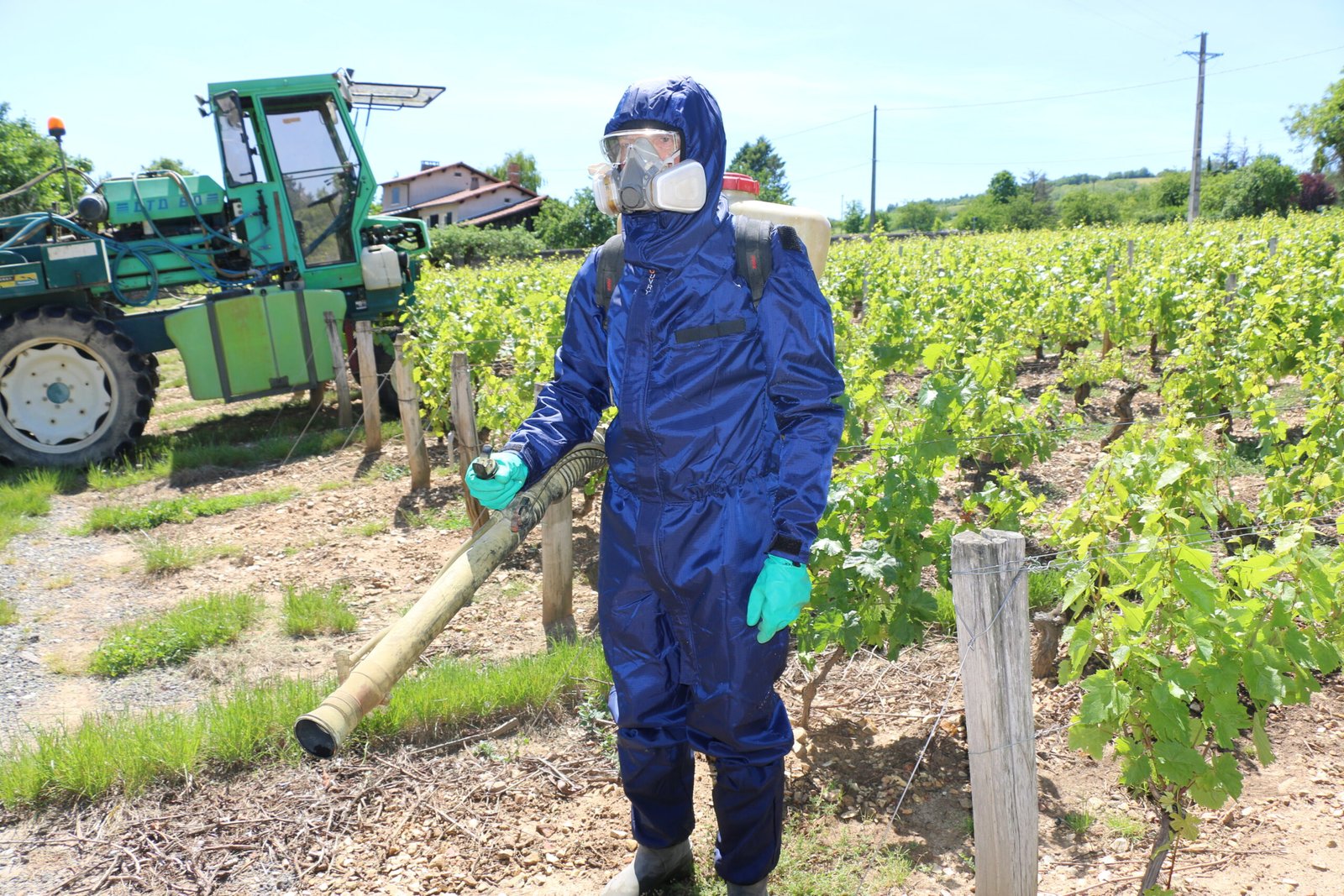
Respiratory Protection in Farming plays a crucial role in safeguarding health. Farmers face numerous respiratory hazards daily. Dusts, vapors, allergens, and toxins pose significant risks. These hazards can lead to serious conditions like Farmer’s Lung and Organic Dust Toxicity Syndrome. Proper equipment selection ensures safety. Maintenance of this equipment remains vital. Regular checks and cleaning prevent malfunctions. Effective protection requires understanding these risks. Awareness and education empower farmers to make informed decisions. Prioritizing respiratory health improves overall well-being on the farm.
Understanding Respiratory Hazards in Farming
Types of Respiratory Hazards
Particulate Contaminants
Particulate contaminants pose a significant threat to respiratory health on farms. Dust from soil, feed, and animal bedding can become airborne. Farmers inhale these particles during daily activities. Respiratory protection in farming helps reduce exposure to these harmful particles. Masks and respirators filter out particulates effectively.
Gases and Vapors
Gases and vapors present another hazard in agricultural settings. Ammonia from animal waste and methane from decomposing organic matter are common. These gases can irritate the respiratory system. Proper ventilation systems and respiratory protection in farming environments minimize exposure. Farmers should use respirators designed for gas and vapor filtration.
Oxygen-Deficient Atmospheres
Oxygen-deficient atmospheres occur in confined spaces like silos and storage bins. Decomposition processes consume oxygen, creating dangerous conditions. Farmers entering these spaces need respiratory protection in farming. Supplied-air respirators provide a safe breathing environment. Monitoring oxygen levels before entry is crucial.
Pesticide Vapors and Dusty Fields
Pesticide application releases vapors and creates dusty conditions. Farmers working in these environments face significant risks. Respiratory protection in farming includes masks that filter pesticide particles. Proper equipment selection ensures safety during pesticide application. Regular maintenance of respirators maintains their effectiveness.
Health Implications of Exposure
Farmer’s Lung
Farmer’s Lung results from inhaling moldy hay or grain dust. This condition causes inflammation and scarring in the lungs. Respiratory protection in farming prevents exposure to these harmful particles. Early detection and treatment improve outcomes for affected farmers.
Organic Dust Toxicity Syndrome
Organic Dust Toxicity Syndrome (ODTS) occurs after exposure to organic dusts. Symptoms include fever, cough, and shortness of breath. Respiratory protection in farming reduces the risk of developing ODTS. Farmers should wear appropriate masks when handling organic materials.
Long-term Lung Damage
Long-term exposure to respiratory hazards leads to chronic lung damage. Conditions like chronic bronchitis and emphysema develop over time. Respiratory protection in farming plays a vital role in preventing these issues. Consistent use of protective equipment safeguards lung health.
Selecting the Appropriate Respiratory Protection

Types of Respirators
Nuisance Dust Masks
Nuisance dust masks offer basic protection. These masks filter out large particles like dust and pollen. Farmers use these masks for low-risk tasks. Nuisance dust masks do not protect against gases or vapors.
Disposable Particulate Respirators
Disposable particulate respirators provide more protection. These respirators filter out small particles. Farmers use these respirators for tasks involving dust, mold, or other particulates. Disposable respirators require regular replacement to maintain effectiveness.
Chemical Cartridge Respirators
Chemical cartridge respirators protect against gases and vapors. These respirators contain replaceable cartridges. Farmers select cartridges based on specific hazards. Regular inspection of cartridges ensures proper function.
Gas Masks
Gas masks offer comprehensive protection. These masks filter out both particulates and gases. Farmers use gas masks in high-risk environments. Regular maintenance keeps gas masks effective.
Powered Air-Purifying Respirators (PAPRs)
Powered Air-Purifying Respirators (PAPRs) enhance protection. PAPRs use a battery-powered blower to filter air. Farmers benefit from PAPRs in dusty or chemical-laden environments. PAPRs provide comfort during extended use.
Supplied-Air Respirators
Supplied-air respirators deliver clean air from an external source. These respirators suit oxygen-deficient or highly toxic environments. Farmers rely on supplied-air respirators for maximum safety. Proper setup and monitoring ensure safe operation.
Respirator Efficiency Ratings
N-series, R-series, P-series
Respirator efficiency ratings guide selection. The N-series filters non-oil particulates. The R-series handles oil-based particulates for limited use. The P-series offers protection against oil-based particulates for prolonged use. Farmers choose based on exposure type.
Filtering Efficiencies (95%, 99%, 99.97%)
Filtering efficiencies indicate respirator performance. A 95% efficiency rating captures most particles. A 99% rating provides higher protection. A 99.97% rating offers maximum filtration. Farmers select based on hazard severity.
Matching Respirators to Hazards
Ammonia and Pesticide Dusts
Ammonia and pesticide dusts require specific protection. Chemical cartridge respirators with appropriate filters work best. Farmers should ensure correct cartridge selection. Regular checks maintain respirator effectiveness.
Hydrogen Sulfide and Nitrogen Dioxide
Hydrogen sulfide and nitrogen dioxide pose serious risks. Gas masks or PAPRs with suitable filters protect against these gases. Farmers need to verify filter compatibility. Consistent monitoring of air quality is essential.
Fungal Spores and Animal Epidemics
Fungal spores and animal epidemics demand robust protection. High-efficiency particulate air (HEPA) filters capture spores effectively. Farmers should use PAPRs or gas masks with HEPA filters. Proper fit testing ensures optimal protection.
Proper Use and Maintenance of Respiratory Equipment

Fit Testing and Fit Checks
Importance of Proper Fit
Proper fit ensures effective respiratory protection on the farm. Ill-fitting equipment allows harmful particles to bypass filters. Farmers must ensure a snug fit for maximum safety. Respirators must seal tightly against the face. Gaps compromise protection and increase risk.
Regular Testing Procedures
Regular testing procedures verify respirator effectiveness. Fit tests assess the seal between the respirator and the face. Farmers should perform these tests periodically. Adjustments may be necessary due to facial changes. Consistent testing maintains optimal protection.
Maintenance and Cleaning
Routine Cleaning Practices
Routine cleaning practices extend respirator life. Dirt and contaminants accumulate on equipment surfaces. Farmers should clean respirators after each use. Warm water and mild detergent remove debris effectively. Thorough rinsing prevents residue buildup.
Storage and Replacement Guidelines
Proper storage prevents damage to respiratory equipment. Farmers should store respirators in a clean, dry place. Avoid exposure to direct sunlight and extreme temperatures. Inspect equipment regularly for signs of wear. Replace damaged or expired components promptly.
Additional Protection Measures
Dealing with Pesticides
Pesticide exposure requires specific protection measures. Farmers must use respirators with appropriate filters. Equipment must match the type of pesticide used. Regular maintenance ensures continued effectiveness. Proper disposal of used filters prevents contamination.
Working in IDLH Environments
IDLH (Immediately Dangerous to Life or Health) environments demand extra precautions. Farmers should use supplied-air respirators in these settings. Continuous monitoring of air quality is essential. Emergency plans must be in place for quick evacuation. Proper training prepares farmers for potential hazards.
Selecting and maintaining the right respiratory protection ensures safety on the farm. Farmers face numerous hazards daily. Proper equipment selection protects against these risks. Regular maintenance keeps equipment effective. Prioritizing respiratory health improves overall well-being. Education and awareness empower farmers to make informed decisions.
NC Agromedicine Institute emphasizes that using safety controls such as ventilation systems, air monitoring, and respirators are key to respiratory protection.
Farmers should stay informed about best practices. Respiratory health remains a vital aspect of farming practices.