
How to Properly Use and Replace Your Dust Mask

Masks play a crucial role in protecting against airborne particles. The COVID pandemic highlighted the importance of wearing masks to reduce virus transmission. Studies show that masks can block at least 70% of viral particles. Masks like the N95 and KN95 offer higher protection levels. Dust masks also help in environments with dust exposure. Proper mask usage and replacement are essential for maintaining effectiveness. Ashley Abramson emphasizes the need for regular mask replacement. Health experts recommend replacing masks when they become damaged or soiled. Visit SHOP DUST MASKS for reliable options. Understanding mask usage and replacement ensures optimal health protection.
Understanding Different Types of Masks

Dust Masks
Characteristics and Usage
Dust masks serve as a basic form of Personal Protective Equipment (PPE). These masks protect against non-toxic dust and other particles. The design of a basic dust mask includes lightweight materials for comfort. Construction workers and DIY enthusiasts often use these masks. A nuisance dust mask helps in environments with low-risk dust exposure. This type of mask is not suitable for toxic substances. Proper fit ensures maximum protection.
When to Replace
Replacement of dust masks depends on usage conditions. A disposable dust mask should be replaced when it becomes dirty or damaged. Regular inspection of the mask is essential. Users should not wait too long before replacing a mask. Frequent replacement maintains the effectiveness of the mask. Mask usage and replacement play a crucial role in health protection.
Disposable Respirators
Features and Benefits
Disposable respirators offer higher protection levels than dust masks. Moldex makes disposable respirators that meet NIOSH standards. These respirators filter out small particles effectively. The filter material in these masks provides excellent filtration. Users benefit from the lightweight and comfortable design. Disposable respirators are ideal for short-term use in hazardous environments.
Replacement Guidelines
Users should replace disposable respirators after each use. A new respirator ensures optimal protection. The filter material loses effectiveness over time. Users should not reuse a disposable respirator. Proper disposal prevents contamination. Following these guidelines ensures safety and health.
N95 and KN95 Masks
Comparison and Standards
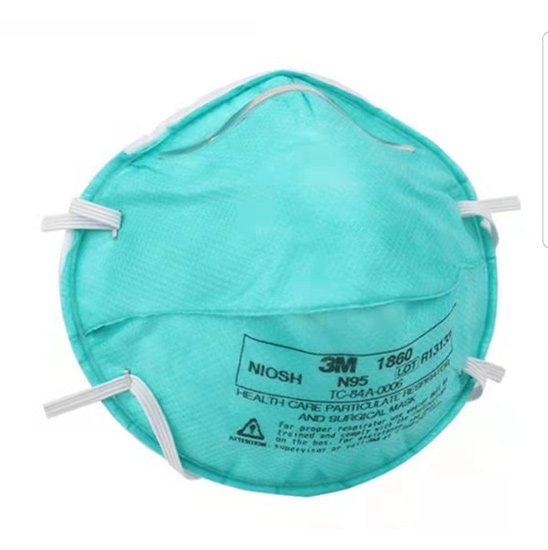
N95 and KN95 masks provide superior protection. An N95 mask meets U.S. quality standards. These masks filter out both large and small particles. N95 respirators achieve a close facial fit. The NIOSH certification ensures high filtration efficiency. KN95 masks meet similar standards in other countries. Both masks offer excellent protection against airborne particles.
Usage and Longevity
Proper usage extends the longevity of N95 and KN95 masks. Users should ensure a tight seal around the nose and mouth. These masks are suitable for environments with poor air quality. Replacement should occur when the mask becomes soiled or damaged. Mask usage and replacement are vital for maintaining effectiveness. Users should follow manufacturer guidelines for best results.
Guidelines for Proper Mask Usage
General Usage Guidelines
Duration and Conditions for Use
The Centers for Disease Control emphasizes the importance of wearing masks in various conditions. Masks should be worn in crowded places and during activities that involve close contact. The Centers for Disease Control advises using masks for a limited duration. Extended use may reduce effectiveness. Masks should be replaced when they become damp or soiled. The Disease Control and Prevention agency suggests checking masks regularly for damage. Masks with tears or holes should be discarded immediately.
Avoiding Mask Sharing
The Disease Control and Prevention agency strongly discourages sharing masks. Each person should have their own mask. Sharing masks increases the risk of contamination. The Centers for Disease Control highlights the importance of personal hygiene. Masks should be considered personal protective equipment. The Disease Control and Prevention agency recommends washing hands before and after handling masks. Personal protective measures help maintain health and safety.
Specific Usage for High-Efficiency Masks
Moldex Models and Innovations
Moldex has made significant advancements in mask technology. The Moldex AirWave model offers enhanced protection. Moldex figured out how to improve filter efficiency. Moldex models provide comfort and durability. The National Institute for Occupational Safety certifies Moldex masks. Moldex masks meet high standards for safety. Moldex disposable respirators are ideal for hazardous environments. Moldex ensures that users receive optimal protection.
High-Efficiency Mask Options
High-efficiency masks offer superior filtration. The Institute for Occupational Safety endorses these masks. NIOSH recommends using high-efficiency masks in high-risk areas. The Centers for Disease Control supports the use of NIOSH filter masks. These masks reduce exposure to airborne particles. High-efficiency masks include disposable respirators and reusable options. Disposable respirators are suitable for short-term use. Reusable respirators offer long-term protection. Users should choose masks based on specific needs. Proper mask selection enhances safety and health.
Proper Storage and Handling of Masks
Storing Masks Correctly
Proper storage of masks ensures their effectiveness and longevity. The Safety Team emphasizes the importance of storing masks in a clean, dry place. Avoid exposure to direct sunlight or extreme temperatures. Use a sealed container to prevent contamination. Ensure that masks remain free from dust and moisture. A well-stored mask provides optimal lung protection.
Proper Removal Techniques
Removing a mask correctly prevents contamination. Grasp the ear loops or ties when removing the mask. Avoid touching the front part of the mask. Dispose of disposable masks immediately after use. Reusable masks should be washed after each use. Proper removal maintains the integrity of the mask.
Storage Conditions
Masks require specific storage conditions to remain effective. Store masks in a breathable container. Avoid plastic bags that trap moisture. Ensure that the storage area is free from contaminants. A clean storage environment extends the life of the mask. Proper storage conditions contribute to safety and health.
Inspecting and Refitting Masks
Regular inspection of masks ensures their continued effectiveness. The Safety Team recommends checking masks for damage before each use. Damaged dust masks compromise protection. Inspect the mask for tears, holes, or worn areas. Replace any damaged mask immediately. Regular inspection is crucial for maintaining lung protection.
Checking for Damage
Check masks for signs of wear and tear. Look for loose or broken straps. Examine the mask for holes or tears. Ensure that the mask’s filter remains intact. Replace any mask that shows signs of damage. A damaged mask cannot provide adequate protection.
Ensuring Proper Fit
A proper fit is essential for effective protection. Adjust the mask to fit snugly against the face. Ensure that the mask covers both the nose and mouth. A tight seal prevents air leakage. The Safety Team highlights the importance of a proper fit for lung protection. Regular refitting ensures that the mask maintains its protective capabilities.
Disposal and Decontamination of Masks
Proper Disposal Methods
Steps for Safe Disposal
People must dispose of masks properly to maintain health and safety. Follow these steps for safe disposal. First, remove the mask by the ear loops or ties without touching the front. Place the mask in a sealed plastic bag. Throw the sealed bag into a trash bin. Wash hands thoroughly after handling a used mask. These steps ensure that dirty masks do not contaminate other surfaces.
Environmental Considerations
Consider the environmental impact when disposing of masks. Disposable masks contribute to waste if not managed correctly. People should avoid littering masks in public spaces. Use designated waste bins for mask disposal. Some communities offer recycling programs for disposable masks. Participating in these programs helps reduce environmental harm. Proper disposal practices protect both health and the environment.
Decontamination Techniques
Research on Effective Methods
Research highlights several effective decontamination methods for masks. Vaporized hydrogen peroxide (VHP) and UV light are effective for N95 masks. These methods allow up to three uses with minimal fabric degradation. Dry heat is another option but limits reuse to two times. Ethanol spray is not recommended due to its ineffectiveness. People should follow these guidelines to maintain mask protection.
Limitations and Recommendations
Decontamination methods have limitations. Not all masks can withstand multiple decontaminations. Disposable masks may lose effectiveness after cleaning attempts. People should prioritize using clean and undamaged masks. Reuse masks only when necessary. Follow manufacturer instructions for specific mask types. Avoid sharing dust masks to prevent contamination. Proper care ensures masks provide good protection.
Proper mask usage and replacement play a crucial role in maintaining health. Masks, including disposable options, protect against airborne particles. Christopher Lee emphasizes that masks can significantly reduce the spread of respiratory illnesses. Change your mask regularly to ensure effective protection. Disposable masks should be replaced when they become soiled or damaged. Christopher Lee advises following guidelines for safety and health. An actual change in mask habits can lead to better health outcomes. Masks serve as an essential component in preventing the transmission of viruses. Christopher Lee highlights the importance of adhering to these practices for a healthier life.