
N95 vs P100: Which Respirator Offers Better Protection?

Respirators and Masks play a crucial role in ensuring safety during occupational activities and viral outbreaks. These protective devices filter airborne particles, safeguarding individuals from potential hazards. N95 respirators provide efficient filtration with a close facial fit, making them a popular choice in healthcare settings. P100 respirators offer an even higher level of protection, suitable for environments with oil-based aerosols. Understanding the differences between N95 and P100 respirators helps individuals make informed decisions about personal protective equipment.
Understanding Respirator Classifications
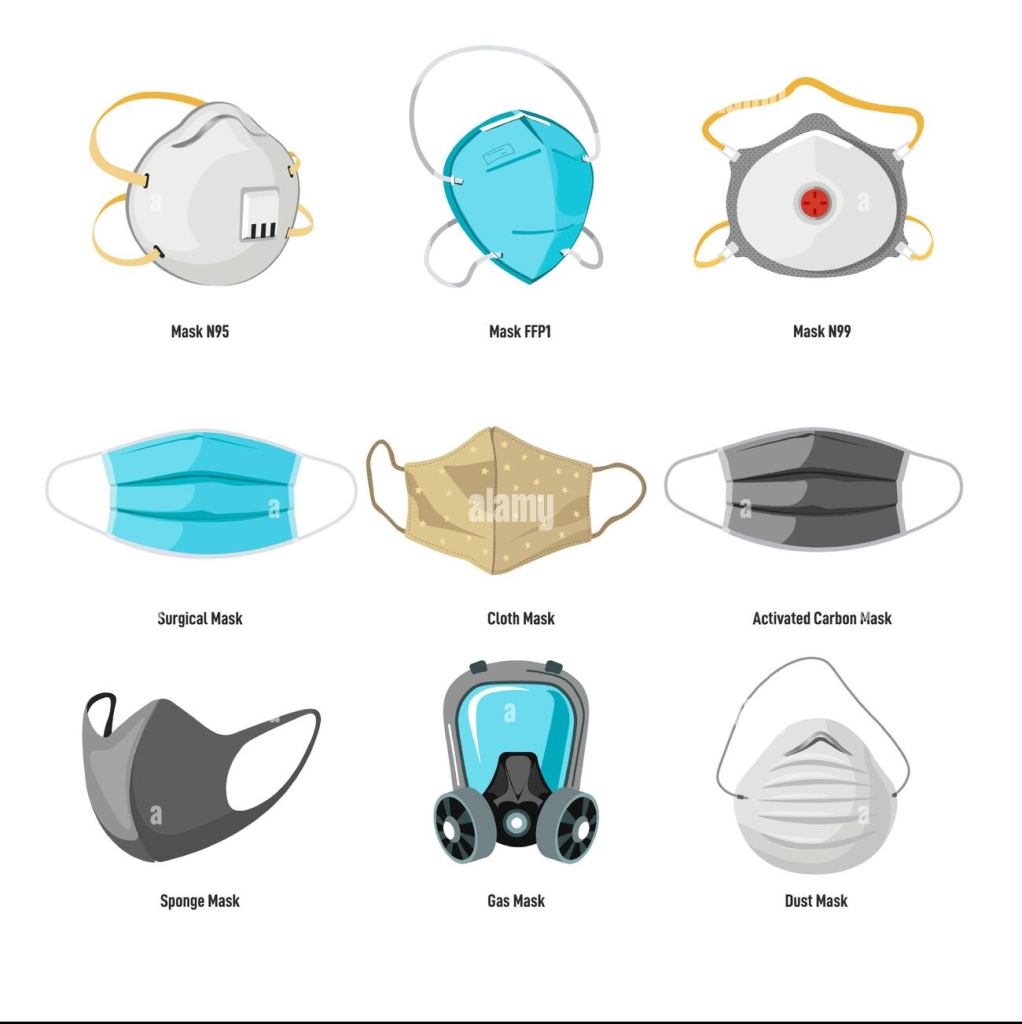
NIOSH Ratings and Their Importance
The National Institute for Occupational Safety and Health (NIOSH) provides ratings for respirators and masks. These ratings help users understand the level of protection offered. The classifications include N, R, and P categories. Each category signifies different levels of resistance to oil-based particles.
- N Classification: N-rated respirators and masks do not resist oil-based aerosols. These are suitable for environments without oil exposure.
- R Classification: R-rated respirators and masks offer limited resistance to oil-based aerosols. These can be used in environments with some oil exposure.
- P Classification: P-rated respirators and masks provide full resistance to oil-based aerosols. These are ideal for environments with significant oil exposure.
NIOSH ratings guide the selection of respirators and masks. Users choose based on the specific hazards present in their environment. Proper selection ensures maximum protection.
Filter Efficiency and Particle Protection
Respirators and masks vary in filter efficiency. This efficiency determines the percentage of airborne particles filtered.
N95: 95% Filtration Efficiency for Non-Oil Aerosols
N95 respirators and masks filter at least 95% of airborne particles. These are effective against non-oil aerosols. Common uses include healthcare settings and industrial environments. N95 respirators and masks provide reliable protection in many scenarios.
P100: 99.97% Filtration Efficiency for Oil and Non-Oil Aerosols
P100 respirators and masks offer superior filtration. These filter 99.97% of airborne particles. P100 models protect against both oil and non-oil aerosols. These are suitable for hazardous environments with oil-based particulates. P100 respirators and masks ensure the highest level of personal respiratory protection.
Applications and Suitability
N95 Respirators
Common Uses in Healthcare and Industrial Settings
N95 respirators and masks serve as essential protective gear in healthcare environments. Medical professionals rely on these devices to shield themselves from airborne particles, including viruses and bacteria. N95 respirators and masks also find applications in industrial settings. Workers in construction and manufacturing use them to protect against dust and small particles. The design of N95 respirators and masks ensures a tight facial fit, providing effective filtration.
Limitations in Environments with Oil-Based Particulates
N95 respirators and masks exhibit limitations when used in environments containing oil-based particulates. These devices do not resist oil aerosols, making them unsuitable for certain industrial applications. Workers exposed to oil mists or fumes require alternative protection. The absence of oil resistance in N95 respirators and masks necessitates careful consideration of the work environment. Proper selection of respirators and masks ensures adequate protection for users.
P100 Respirators
Specialized Applications in Hazardous Environments
P100 respirators and masks offer superior protection in hazardous environments. These devices filter 99.97% of airborne particles, making them suitable for high-risk settings. Industries dealing with toxic substances or chemicals benefit from the use of P100 respirators and masks. The robust filtration capability of P100 respirators and masks provides enhanced safety for workers. Specialized applications demand the highest level of respiratory protection.
Suitability for Oil-Based Aerosols
P100 respirators and masks excel in environments with oil-based aerosols. The full resistance to oil particles makes these devices ideal for industries such as painting and petrochemical processing. Workers in these fields face exposure to oil mists and fumes. P100 respirators and masks ensure comprehensive protection against such hazards. The suitability of P100 respirators and masks for oil-based aerosols underscores their importance in specific occupational settings.
Performance and Fit
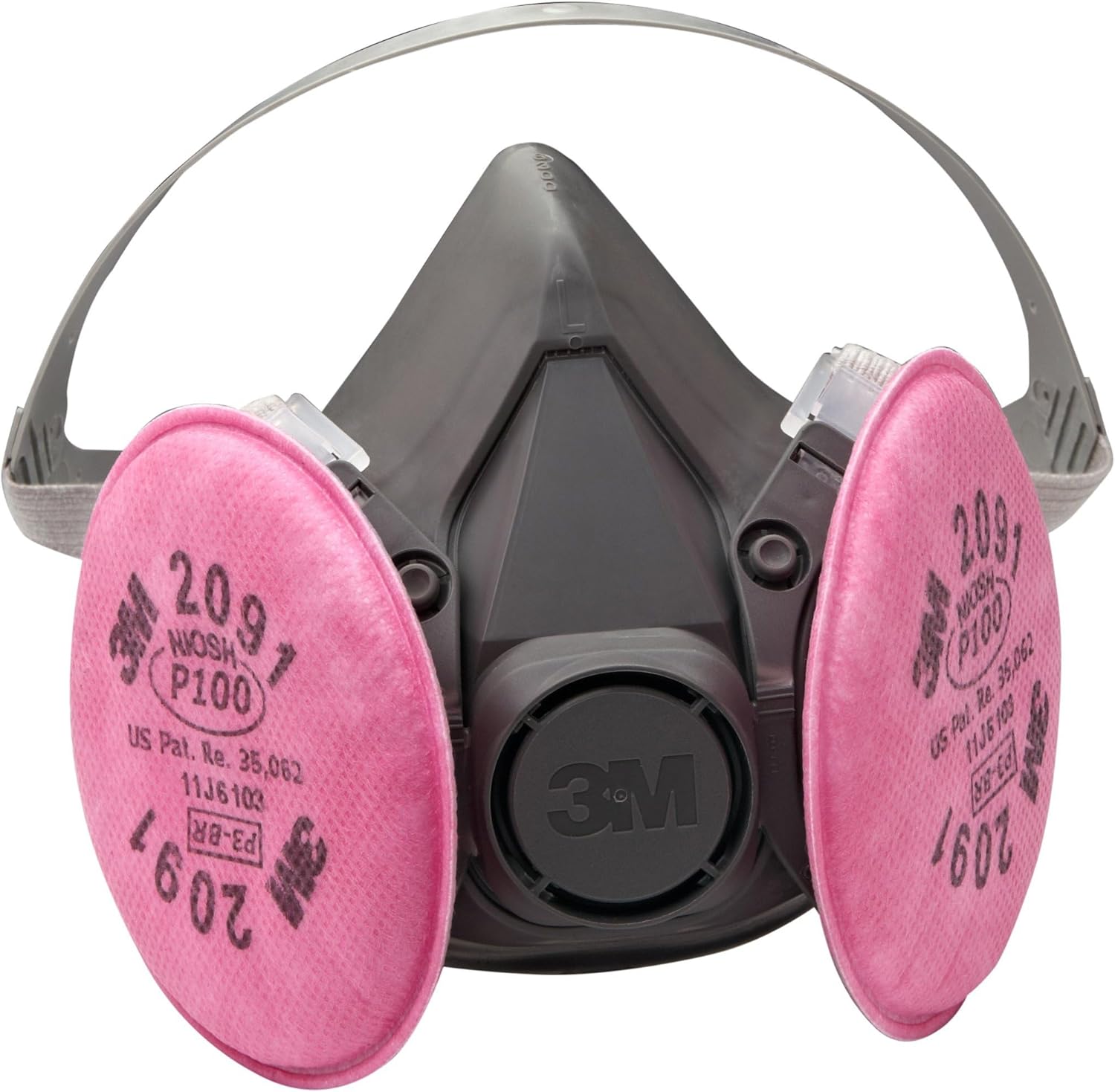
Importance of Proper Fit and Seal
Proper fit and seal play a crucial role in the effectiveness of respirators and masks. A well-fitted mask ensures that no air leaks occur around the edges. This prevents unfiltered air from entering the breathing zone. Respirators and masks with a good seal provide better protection against viruses like COVID-19. The seal minimizes exposure to airborne particles.
Fit and comfort features vary between different respirators and masks. N95 models often prioritize ease of use and comfort. These masks usually have adjustable straps and nose clips. P100 respirators and masks may offer more robust sealing mechanisms. However, these can sometimes compromise comfort. Users must balance fit and comfort when selecting respirators and masks.
Flow Resistance and Breathing Comfort
Flow resistance affects the breathing comfort of respirators and masks. Lower flow resistance in N95 models allows for easier breathing. This feature makes N95 respirators and masks suitable for extended use. Users experience less fatigue due to reduced airflow resistance.
P100 respirators and masks typically have higher flow resistance. This results from the denser filtration material used in P100 models. Higher flow resistance can lead to increased breathing effort. Users may find P100 respirators and masks more challenging to wear for long periods. The implications of higher flow resistance include potential discomfort and increased breathing effort.
Cost and Availability Considerations
Market Availability
Widespread Use and Affordability of N95
N95 respirators enjoy widespread use in various sectors. Healthcare, construction, and industrial settings frequently utilize these devices. The affordability of N95 respirators contributes to their popularity. Many individuals find these respirators accessible due to their lower cost. The high demand for N95 respirators ensures a steady supply in the market. Retailers often stock these devices in large quantities.
Availability and Cost Factors for P100
P100 respirators offer superior protection but come with higher costs. The specialized applications of P100 respirators affect their availability. Industries dealing with hazardous materials prioritize these devices. The cost of P100 respirators reflects their advanced filtration capabilities. Consumers may encounter limited stock due to specific industry demands. The price of P100 respirators often varies based on market conditions.
Budget and Decision Factors
Assessing Needs Based on Hazard Level and Cost
Individuals must assess personal needs when choosing respirators. The level of hazard in the environment influences this decision. N95 respirators suit environments with non-oil aerosols. P100 respirators provide protection in oil-based aerosol settings. Cost considerations play a significant role in decision-making. Users must balance budget constraints with protection requirements. The choice of respirator depends on both hazard level and financial capacity.
Recommendations for Choosing Between N95 and P100
Selecting the appropriate respirator involves careful evaluation. N95 respirators serve well in general healthcare and industrial applications. P100 respirators excel in environments with oil-based hazards. Users should consider the specific work environment before purchasing. The decision should align with both safety needs and budget limitations. Proper selection ensures optimal protection and cost-effectiveness.
N95 and P100 respirators offer distinct levels of protection. N95 respirators filter at least 95% of airborne particles. P100 respirators filter 99.97% of particles, including oil-based aerosols. N95 models suit healthcare and industrial settings without oil exposure. P100 models excel in environments with oil-based hazards. Users must assess their specific needs and work environments. Proper selection ensures optimal protection and cost-effectiveness. Understanding the differences aids in making informed decisions about personal protective equipment.