
Choosing the Right Silica Dust Respirator for Construction Safety
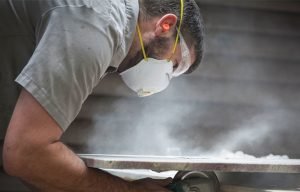
Construction workers face significant risks from respiratory hazards. These hazards arise during construction tasks involving materials like Caesarstone. Silica dust, a common byproduct, poses severe health threats. Workers exposed to silica dust risk developing respiratory diseases. Construction Safety becomes paramount in these environments. The Occupational Safety and Health Administration (OSHA) emphasizes the importance of respiratory protection. OSHA standards guide employers in implementing effective safety measures. Proper respirators ensure construction workers’ safety against harmful dust. Caesarstone’s commitment to safety is evident in their ESG Report. Prioritizing silica dust protection safeguards health and enhances construction safety.
Understanding Silica Dust and Its Risks
What is Silica Dust?
Silica dust consists of tiny particles that result from working with materials containing crystalline silica. Construction activities like cutting, grinding, or drilling concrete, stone, and brick generate these particles. Crystalline silica is a common mineral found in many construction materials. The Centers for Disease Control highlights the significance of understanding silica dust to ensure proper safety measures.
Sources of Silica Dust
Construction sites serve as primary sources of silica dust. Activities such as masonry work, concrete cutting, and stone grinding release crystalline silica into the air. The Centers for Disease Control emphasizes the importance of identifying these sources to implement effective control measures. Proper ventilation and dust suppression techniques reduce exposure risks.
Health Risks Associated with Silica Dust
Exposure to silica dust poses significant health risks. The Centers for Disease Control and Prevention states that inhaling crystalline silica can lead to serious respiratory diseases. Workers face an increased risk of developing silicosis, lung cancer, and pulmonary tuberculosis. The NIOSH National Personal Protective Technology Laboratory underscores the need for respirators to protect against these diseases. Silicosis, a chronic lung disease, results from prolonged exposure to silica dust. Symptoms include coughing, shortness of breath, and chest pain.
Prevalence of Silica Dust Exposure
Silica dust exposure remains a prevalent issue in construction and related industries. The Centers for Disease Control reports that many workers encounter hazardous levels of crystalline silica during their daily tasks. Proper control measures and respirators play a crucial role in reducing exposure.
Statistics on Worker Exposure
The Centers for Disease Control and Prevention provides alarming statistics on worker exposure to silica dust. Many workers exceed the permissible exposure limits set by OSHA. Regular monitoring and testing help ensure compliance with safety standards. The use of respirators becomes essential when dust levels surpass safe thresholds.
Impact on Health and Safety
Silica dust significantly impacts health and safety in the workplace. The Centers for Disease Control emphasizes the need for effective control strategies to minimize risks. Respiratory diseases caused by silica dust affect workers’ quality of life and productivity. Implementing comprehensive silica dust protection measures ensures a safer work environment. Employers must prioritize the use of respirators and other protective equipment to safeguard workers’ health.
OSHA Standards and Regulations
Overview of OSHA Silica Standards
The Occupational Safety and Health Administration (OSHA) sets strict guidelines to protect workers from silica dust exposure. The standards ensure that employers implement necessary safety measures. The Office of Construction Safety plays a crucial role in enforcing these regulations. Employers must adhere to the CFR guidelines to maintain workplace safety.
Permissible Exposure Limits (PEL)
The CFR outlines the permissible exposure limits for silica dust. OSHA mandates that exposure must not exceed 50 micrograms per cubic meter over an eight-hour shift. Employers must monitor dust levels to ensure compliance with this standard. The Public Health Service emphasizes the importance of maintaining these limits to prevent health risks.
Employer Responsibilities
Employers bear the responsibility of ensuring worker safety. The Department of Health requires employers to provide appropriate respirators to workers exposed to high levels of silica dust. The Office of Construction Safety mandates regular training sessions for employees. Employers must also develop a comprehensive silica dust protection plan.
Compliance and Monitoring
Compliance with OSHA standards involves regular monitoring of silica dust levels. The Safety and Health Administration stresses the need for accurate measurement techniques. Employers must use reliable equipment to assess dust concentrations in the workplace.
Workplace Monitoring Techniques
Effective monitoring techniques include air sampling and real-time dust measurement. The NIOSH recommends using advanced technology for precise readings. Employers should conduct assessments at regular intervals to ensure safety. The Public Health Service advises using these methods to identify potential hazards.
Importance of Regular Testing
Regular testing is vital for maintaining a safe work environment. The Office of Construction Safety requires employers to test silica dust levels frequently. Consistent testing helps identify areas needing improvement. The Human Services department highlights the role of testing in preventing respiratory diseases. Employers must prioritize testing to ensure compliance with OSHA standards.
Types of Respirators for Silica Dust Protection
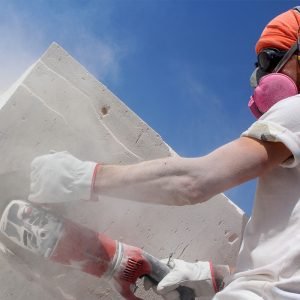
Non-Powered Air-Purifying Respirators
Non-powered air-purifying respirators offer effective protection against construction dust. These respirators rely on filters to remove contaminants from the air. Workers can choose from different filter series based on specific needs.
N-Series, R-Series, P-Series Filters
The N-Series filters provide protection against non-oil-based particles. The R-Series filters offer versatility for both oil and non-oil particles. The P-Series filters ensure long-term protection in oily environments. Each filter series serves unique applications, enhancing silica dust protection. The Moldex 2300 N95 Respirator with Exhalation Valve exemplifies a disposable option for workers not regularly exposed to silica dust. This respirator increases fresh air exchange, keeping workers cool and comfortable.
Efficiency Levels and Applications
Efficiency levels determine the effectiveness of air-purifying respirators. The NIOSH ratings classify respirators based on filtration efficiency. Higher ratings indicate better protection against fine dust particles. Workers must select the appropriate respirator for their specific tasks. The Half-Face Respirator suits tasks involving wet manual tools and close proximity to dust creation. Proper selection ensures optimal silica dust protection.
Powered Air-Purifying Respirators (PAPRs)
Powered air-purifying respirators (PAPRs) provide advanced protection in challenging environments. These respirators use a battery-powered blower to deliver filtered air to the user.
Design and Advantages
PAPRs feature a design that accommodates various work conditions. The powered airflow reduces breathing resistance, enhancing comfort. PAPRs are ideal for individuals with facial hair that may compromise mask performance. The Dentec Safety line offers reliable options for extreme levels of respirable crystalline silica. The PAPR model is recommended for unknown exposure levels, ensuring comprehensive silica dust protection.
Suitable Scenarios for Use
PAPRs excel in scenarios with high concentrations of construction dust. Workers benefit from PAPRs during demolition or abrasive blasting activities. The Dust Control Handbook highlights the importance of using PAPRs in such environments. The Dentec Safety Specialists recommend PAPRs for tasks involving respirable crystalline silica. Employers must provide appropriate respirators to ensure worker safety.
Guidelines for Selecting and Using Respirators

Proper Selection of Respirators
Factors to Consider
Selecting the right respirator involves several critical factors. The Institute for Occupational Safety emphasizes the importance of understanding the specific type of dust exposure in your work environment. Different tasks require different filter types. For silica dust, NIOSH recommends using FFRs with at least an N95 rating. The National Institute for Occupational Safety advises considering the Assigned Protection Factor when choosing a respirator. Higher protection factors offer better safety against harmful particles. CAPT Alan Echt highlights the significance of selecting a respirator that meets the required safety standards.
Importance of Fit and Comfort
Proper fit is crucial for effective respirator use. The NIOSH Office of Construction mandates annual fit testing to ensure the respirator forms a tight seal on the user’s face. A well-fitted mask minimizes contaminant leakage. Professional fitting tests can confirm the mask fits appropriately. Comfort also plays a vital role in respirator selection. The Comfort-Air Reusable Half Mask offers a balance between protection and comfort. Workers should choose masks that provide a snug fit without causing discomfort during extended use.
Maintenance and Replacement
Regular Maintenance Practices
Regular maintenance ensures the longevity and effectiveness of respirators. The National Institute for Occupational Safety recommends inspecting respirators before each use. Check for any signs of wear or damage. Clean the mask according to the manufacturer’s instructions. The Comfort-Air Reusable masks require routine cleaning to maintain hygiene. Proper storage prevents contamination and extends the life of the respirator.
Timely Replacement of Filters and Masks
Timely replacement of filters and masks is essential for maintaining protection. The NIOSH Office of Construction advises replacing filters when breathing becomes difficult or when the filter becomes damaged. Disposable dust masks should be discarded after a single use. The Respirator Reuse and Extended guidelines suggest replacing disposable respirators regularly to ensure optimal performance. The Assigned Protection Factor decreases if filters are not replaced on time. Always follow the manufacturer’s recommendations for filter and mask replacement.
Consulting with Health and Safety Experts
Importance of Professional Guidance
Health and safety experts play a crucial role in selecting the right respirators for silica dust protection. These professionals possess specialized knowledge in respirator selection. Their expertise ensures that workers receive the best protection against specific hazards. Health and safety experts provide valuable insights into the types of respirators suitable for different construction environments. Their guidance helps employers make informed decisions about respiratory protection.
Assessing Specific Workplace Needs
Every construction site presents unique challenges and hazards. Health and safety experts conduct thorough assessments of each workplace. These assessments identify specific risks associated with silica dust exposure. Experts evaluate factors such as the concentration of dust particles and the duration of exposure. This evaluation allows for the selection of respirators tailored to the site’s needs. Customized solutions ensure optimal protection for workers.
Ensuring Compliance with Safety Standards
Compliance with safety standards is essential for maintaining a safe work environment. Health and safety experts ensure that employers adhere to regulations set by organizations like OSHA and NIOSH. These experts stay updated on the latest safety guidelines and industry best practices. Their knowledge helps employers implement effective safety measures. Regular consultations with health and safety experts ensure ongoing compliance and worker protection.
Choosing the right respirator is essential for ensuring safety in construction environments. Proper respirators protect workers from harmful silica dust, enhancing safety and health on site. The ReadiMask offers superior fit and comfort, making it a preferred choice among many professionals. This innovative design reduces leakage risks, ensuring better safety. OSHA standards provide crucial guidelines for maintaining safety. Employers must adhere to these regulations to safeguard worker safety and health. Prioritizing respirator selection and compliance with safety standards ensures a safer construction environment for everyone involved.