
How to Pick the Best Respirator for Toxic Paints in Boat Work
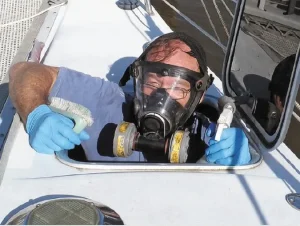
Working on a boat involves more than just skill and precision. Safety plays a crucial role, especially when dealing with toxic paints. The Safety Team must prioritize respirator use to protect against harmful substances. Marine paints contain solvents that can make you dizzy or even increase cancer risk. The right respirator ensures safety by filtering out these dangerous fumes. The Safety Team should always consider personal protective equipment preferences to enhance comfort. A reliable respirator is essential for anyone involved in painting and boat repair. Every Safety Team member should prioritize Respirator Safety in Boat Repair to maintain a secure working environment.
Understanding the Risks of Toxic Paints
Health Hazards of Toxic Paints
Toxic paints can pose significant health risks. Short-term exposure might cause dizziness or headaches. Long-term exposure can lead to severe issues like organ damage or respiratory problems. Vulnerable groups, such as children and the elderly, face higher risks. Protecting your lungs becomes crucial when working with these materials. A reliable respirator for insulation or painting respirator ensures that harmful fumes stay out of your system.
Scientific Research Findings:
- Research on Health Effects of Toxic Paints shows that paint fumes can damage organs over time.
- VOC levels rise indoors, especially when paint is wet or drying.
- Fungicides and biocides in paint may accumulate and harm health.
Common Toxic Materials in Boat Work
Boat work often involves various toxic materials. Different types of paints and materials require specific attention. Fiberglass is a common material in boat construction. Working with fiberglass releases dust that can irritate your lungs. A mask for insulation or a respirator for fiberglass can help protect against this dust.
Types of Paints and Materials:
- Marine paints often contain solvents that emit dangerous vapors.
- Fiberglass work generates dust and debris that need proper filtration.
Specific risks accompany each material used in boat work. Organic vapor cartridges in your respirator can filter out harmful chemicals. P100 and P95 filters offer protection against dust and particles. Choosing the best respirator for painting or demolition respirator ensures safety during boat repair.
Types of Respirators for Boat Work
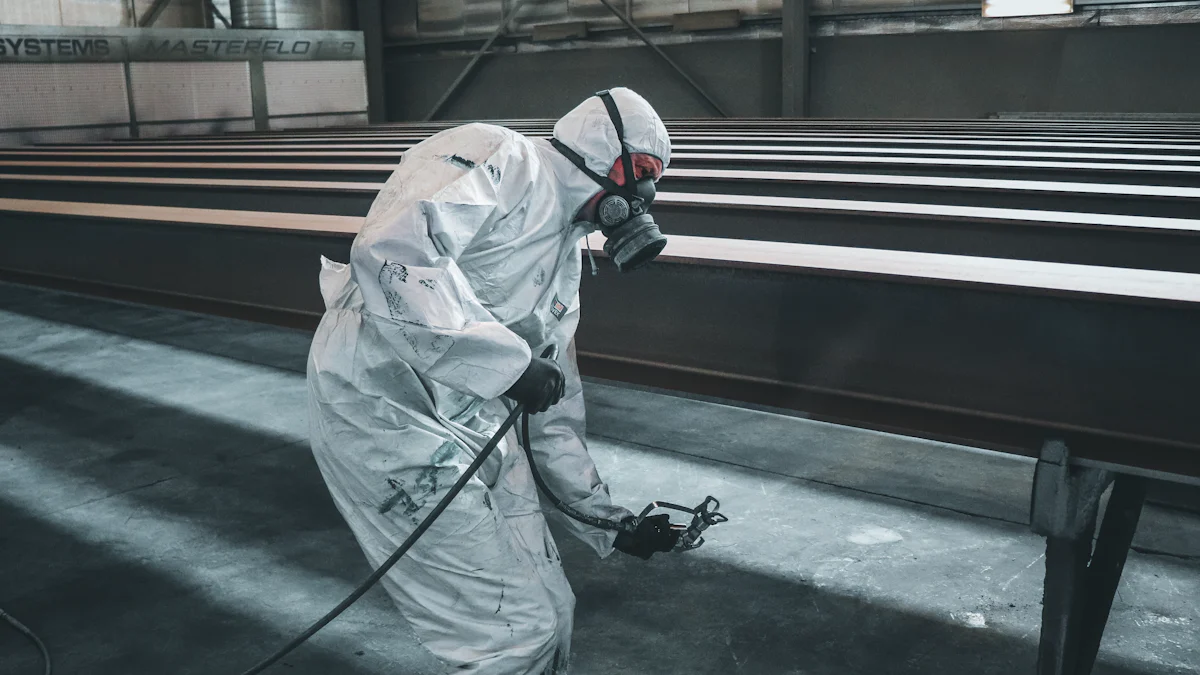
Choosing the right respirator can feel like a daunting task, especially when you’re knee-deep in boat work. You need something that fits well and keeps those nasty fumes away. Let’s dive into some options that might just be what you’re looking for.
Respirator Models and Features
3M 7500 Series Half-Face Mask
The 3M 7500 Series Half-Face Mask is a popular choice among boat repair enthusiasts. This mask offers comfort and durability, making it perfect for long hours of work. The silicone material ensures a snug fit, which is essential for effective filtration. You can pair this mask with organic vapor cartridges to block harmful chemicals. Many users appreciate the soft feel and overall comfort of this model.
Moldex Multi-Purpose Respirator
The Moldex Multi-Purpose Respirator stands out for its excellent protection. This mask features a HEPA P100 prefilter, capturing 99.97% of particles down to 0.3 microns. This makes it an ideal respirator for fiberglass work. The design allows for easy breathing while keeping dust and debris at bay. Many prefer this model for its snug fit and superior protection.
Specific Features for Different Needs
Organic Vapor Cartridges
Organic vapor cartridges play a crucial role in filtering out harmful fumes. These cartridges attach to your mask, providing a barrier against toxic vapors. When working with paints or solvents, these cartridges become your best friend. They ensure that you breathe clean air, reducing the risk of health issues.
HEPA P100 Prefilter
The HEPA P100 prefilter offers top-notch protection against dust and particles. This feature is essential for anyone dealing with fiberglass or insulation. The prefilter blocks 99.97% of airborne particles, making it a reliable choice for safety. Pairing this with your respirator for painting ensures you stay protected from harmful substances.
Ensuring Proper Fit and Comfort
You know, finding the right respirator isn’t just about picking one off the shelf. The fit matters a lot. A snug fit ensures that no harmful particles sneak in while you work. Let’s dive into how you can make sure your respirator fits just right.
Importance of Fit for Safety
How to Test for Proper Fit
Testing the fit of your respirator is crucial. You want to ensure that it forms a tight seal on your face. The Occupational Safety and Health Administration (OSHA) emphasizes the importance of fit testing. This process confirms that your respirator provides the expected level of protection. To test the fit, cover the filters with your hands and inhale gently. If you feel air leaking around the edges, adjustments are needed. A proper fit means no air should escape or enter through the sides.
Adjustments for Comfort
Adjusting your respirator for comfort is just as important as ensuring a good fit. Straps should be snug but not too tight. You don’t want discomfort during long hours of work. Adjust the straps evenly to balance pressure across your face. If your respirator feels uncomfortable, try loosening or tightening the straps slightly. Comfort plays a big role in how long you can wear your respirator effectively.
Comfort Considerations
Material and Design
The material and design of your respirator can make a big difference in comfort. Silicone masks often provide a soft and comfortable feel. This material allows for extended wear without irritation. A well-designed respirator will have features that enhance comfort, like adjustable straps and cushioned seals. When choosing a respirator, consider how the material and design will affect your comfort during work.
User Preferences
Everyone has different preferences when it comes to comfort. Some people prefer a lighter mask for insulation work, while others might choose a more robust respirator for fiberglass tasks. Consider what feels best for you. Try on different models to see which one suits your needs. User preferences can vary, so take your time to find the best respirator for painting or any other task you undertake.
Maintenance and Replacement of Filters
Keeping your respirator in top shape is crucial for safety during boat work. Regular maintenance ensures that filters function effectively, providing the protection you need. Let’s explore how to maintain and replace filters properly.
Signs of Clogged Filters
Breathing through a respirator should feel easy. If breathing becomes difficult, clogged filters might be the culprit. Dust and particles can accumulate over time, reducing airflow. Pay attention to any changes in breathing resistance. A simple test involves covering the filter and inhaling. If air leaks around the edges, the filter might need replacement.
Preserving cartridges extends their life. Store them in a sealed container when not in use. This practice prevents exposure to dust and moisture. Proper storage keeps cartridges ready for action whenever you need them.
Regular Maintenance Practices
Cleaning and storing your respirator properly ensures longevity. After each use, wipe down the mask with a damp cloth. Avoid using harsh chemicals that might damage the material. Store the respirator in a clean, dry place away from direct sunlight. This practice prevents wear and tear, keeping the mask ready for the next job.
A schedule for filter replacement helps maintain respirator safety in boat repair. Check manufacturer guidelines for recommended intervals. Some filters last longer than others, depending on usage and exposure. Regularly inspect filters for signs of clogging or damage. Replace them promptly to ensure optimal performance.
Choosing the right respirator model impacts maintenance needs. A half-face unit with replaceable filters often proves economical. This option keeps glasses clean and offers flexibility. Compare this with N95 disposable masks, which require frequent replacements. A full-face mask with prescription lenses represents a significant investment but offers comprehensive protection.
Maintaining your respirator involves simple steps that ensure safety. Regular checks and proper storage keep filters effective. Whether you choose a half-face unit or a full-face mask, prioritize maintenance. Your health depends on it.
Comparison of Respirator Models
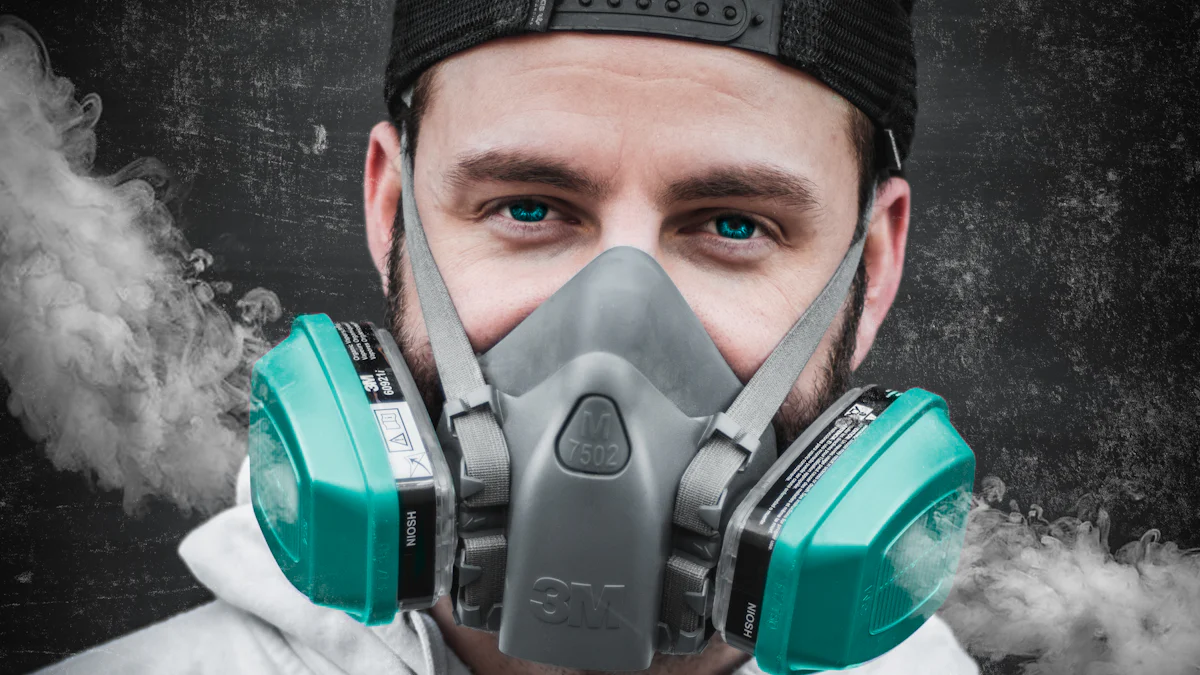
Choosing the right respirator can feel overwhelming. You might find yourself stuck between two popular models: Moldex and 3M. Let’s break down what each offers to help you make an informed decision.
Moldex vs. 3M
Features comparison
Moldex and 3M both offer excellent protection, but they cater to different needs. Moldex respirators often feature a HEPA P100 prefilter. This captures 99.97% of particles as small as 0.3 microns. Moldex respirators excel in environments with high dust levels. The snug fit ensures excellent lung protection during boat work. Moldex models are ideal for tasks like fiberglass cutting or insulation work.
3M respirators, on the other hand, focus on comfort and versatility. The 3M 7500 series half-face mask provides a soft silicone construction. This makes it comfortable for long hours. 3M respirators come with organic vapor cartridges. These cartridges protect against harmful fumes from paints and solvents. The 3M model suits those who need a painting respirator or a demolition respirator.
Personal preference insights
Personal preferences play a big role in choosing between Moldex and 3M. Some users prefer Moldex for its superior filtration capabilities. Others lean towards 3M for its comfort and ease of use. Consider what matters most to you. Do you prioritize comfort over filtration? Or do you need maximum protection against dust and particles? Trying both models can help you decide which feels right for your specific needs.
Choosing the Right Model for Your Needs
Factors to consider
Several factors should guide your choice of respirator. Start with an exposure analysis. Determine the level of protection you need based on the materials you work with. Consider the type of boat paint or insulation you handle. The environment plays a crucial role in deciding the best respirator for painting or a mask for insulation.
Fit testing is another essential step. A proper fit ensures that no harmful particles enter through gaps. Test different models to see which provides the best seal. Comfort also matters, especially for long work hours. Evaluate the material and design of each respirator. Choose one that aligns with your comfort preferences.
Recommendations based on use case
For those involved in fiberglass work, a Moldex respirator with a HEPA P100 prefilter offers top-notch protection. This model excels in filtering out dust and debris. If you engage in painting or epoxy resin tasks, the 3M respirator with organic vapor cartridges is a solid choice. This option ensures you breathe clean air while working with toxic paints.
Consider your specific needs and work environment. Both Moldex and 3M offer reliable solutions. Your choice depends on the level of protection and comfort you seek. Prioritize safety and choose a respirator that meets your requirements.
Choosing the right respirator for boat work ensures safety and peace of mind. Prioritize a snug fit and regular maintenance to protect your lungs from harmful substances. Consider using positive-pressure masks or hoods for added protection, especially in challenging conditions. Anonymous Chemical Engineer highlights the benefits of such equipment in demanding environments. Always prioritize personal safety over convenience. Investing in quality respiratory protection pays off in the long run. Remember, your health is invaluable. Stay safe and make informed choices when working with toxic paints and materials.