
Understanding Respirator Sizing for Maximum Protection

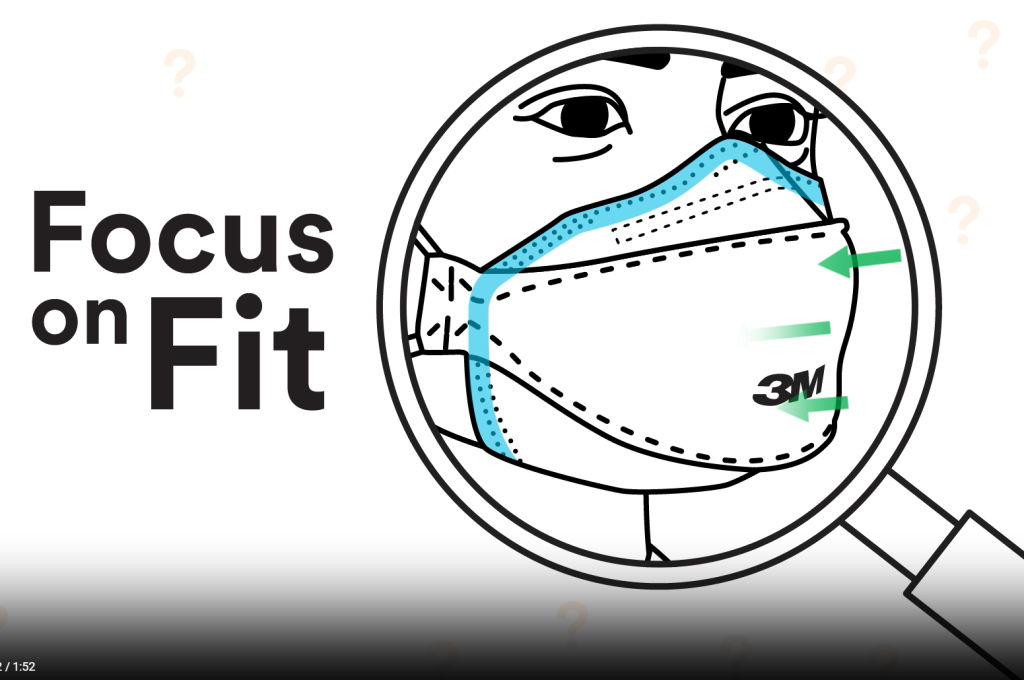
Kids need a respirator that fits well to ensure safety. A proper fit means the respirator seals to the skin, preventing contaminants from entering. Respirator sizing and fit testing are crucial for effective protection. The size of the face, any facial hair, and other protective equipment affect the fit. A mask guide helps in choosing the right size. Regular price variations exist between small and large sizes. The Allegro Saccharin Respirator Fit test ensures the respirator fits properly. The JSP Force offers a reliable option for kids. A respirator size chart assists in selecting the correct size for different ages.
The Importance of Proper Respirator Sizing
Available Sizes and Sizing Methods
Respirators come in various sizes to fit different face shapes. Common sizes include Small, Medium, Large, Short-Wide, and Extra Large. Each size caters to specific facial dimensions, ensuring a secure seal. A proper fit prevents contaminants from entering the mask.
Sizing Methods help users find the right fit. The Ruler Method involves measuring the distance between the bridge of the nose and the chin. The Template Method uses a pre-made template to match face contours. Both methods guide users in selecting the correct size.
Historical Context and Standards
The history of respirator sizing includes valuable insights. The US Military collected data on face sizes during World War II. This data helped develop initial sizing standards. Over time, these standards evolved to meet modern needs.
The ISO 16976-2 standard introduced new guidelines for respirator sizing. This standard focuses on ensuring a better fit for diverse populations. The research on sizing methods contributed to the expanded range of Force®8 respirators. These advancements improved fit for a wider range of face sizes and shapes.
Demographic Considerations
Demographic studies provide essential information on face sizes. The 2003 Anthropometric Survey revealed significant variations in facial dimensions. This survey highlighted the need for diverse respirator sizes, including Extra Large options.
The NIOSH Survey Data offers insights into face sizes across different demographics. NIOSH confirmed the necessity of OSHA fit testing requirements. Users who experience physical changes, like weight loss, benefit from regular fit testing. This ensures continued protection and comfort.
JSP Safety emphasizes the importance of proper sizing. JSP Safety provides guidelines for selecting the right size. Full Face Respirator Sizing requires careful consideration of face dimensions. A well-fitted Full Face Piece Respirator offers maximum protection in hazardous environments.
Fit Testing for Effective Protection
OSHA Requirements for Fit Testing
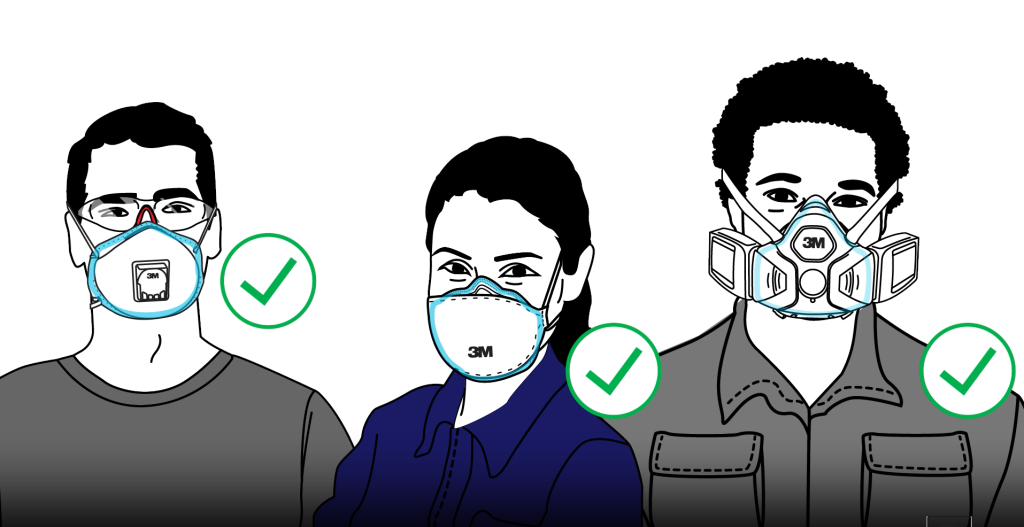
Fit Testing ensures that respirators provide the expected level of protection. Fit Testing ensures OSHA mandates Fit Testing for all tight-fitting respirators before workplace use. This requirement confirms that the respirator forms a proper seal on the face. Fit Testing must occur at least annually. Physical changes, such as weight loss, also necessitate retesting. OSHA’s guidelines emphasize the importance of minimizing contaminant leakage.
Qualitative vs. Quantitative Fit Tests
Two main types of Fit Testing exist: qualitative and quantitative. Qualitative tests rely on the user’s sensory response to detect leaks. Common methods include the Saccharin Respirator Fit Test and the Bitrex Respirator Fit Test. These tests use sweet or bitter solutions to check for leaks. Quantitative tests measure the amount of leakage using specialized equipment. Both methods ensure that respirators fit properly and provide adequate protection.
Fit Test Kits: Allegro Saccharin and 3M FT-30 Bitrex
Fit Test Kits play a crucial role in the Fit Testing process. The Allegro Saccharin Fit Test Kit uses a sweet solution to test the seal. Users detect the taste if the respirator leaks. The 3M FT-30 Bitrex Fit Test Kit uses a bitter solution for testing. Both kits offer reliable methods for confirming respirator fit. Employers should choose the appropriate Fit Test Kit based on their specific needs.
Factors Affecting Fit
Several factors can impact the effectiveness of a respirator’s fit. Understanding these factors is essential for ensuring maximum protection.
Impact of Facial Hair on Fit
Facial hair significantly affects respirator fit. Beards and mustaches can interfere with the seal. OSHA advises against wearing tight-fitting respirators with facial hair. Clean-shaven faces ensure a better seal and reduce leakage risks. Employers should educate employees about the impact of facial hair on respirator fit.
User Seal Check Process
The User Seal Check Process verifies the respirator’s fit each time it is worn. Users should perform this check before entering hazardous environments. The process involves covering the respirator’s surface and inhaling gently. A proper seal prevents air from entering around the edges. Regular seal checks ensure continued protection and comfort. Employers should train employees on the correct User Seal Check Process.
Ensuring Compatibility with Other PPE
Guidelines for Compatibility
Importance of Maintaining Seal Integrity
Maintaining seal integrity ensures that respirators provide maximum protection. The Safety Team must prioritize this aspect when selecting personal protective equipment (PPE). A proper seal prevents contaminants from entering the respirator. The Secure Click Half Facepiece offers a reliable option for maintaining a tight seal. Users should ensure that other PPE does not interfere with the respirator’s fit. The Full Face Reusable Respirator provides comprehensive protection in hazardous environments. Users must check the compatibility of goggles, helmets, and other gear with respirators. The Safety Team should conduct regular assessments to verify seal integrity.
Common Compatibility Issues and Solutions
Compatibility issues can arise when using multiple pieces of PPE. The Safety Team should address these challenges to ensure effective protection. Overlapping straps from different PPE can compromise the respirator’s seal. The Latch Half Facepiece Reusa design minimizes interference from other gear. Users should adjust straps to avoid overlapping and maintain a secure fit. The Force line of respirators offers solutions for common compatibility problems. The Comfort Quick Latch Half feature allows easy adjustments without breaking the seal. Regular training sessions help users identify and resolve compatibility issues.
Practical Tips for Users
Adjusting PPE for Optimal Fit
Proper adjustment of PPE ensures optimal fit and protection. Users should follow specific guidelines to achieve this goal. The Secure Click Half Facepiece allows for precise adjustments to enhance comfort. Users should adjust the straps to fit snugly without causing discomfort. The Flat Fold design of some respirators offers flexibility in fitting different face shapes. Users should position the respirator to cover the nose and mouth completely. The Safety Team should provide training on adjusting PPE for various scenarios. Regular practice helps users become proficient in achieving an optimal fit.
Regular Checks and Maintenance
Regular checks and maintenance ensure the longevity and effectiveness of respirators. Users should perform a User Seal Check each time they wear a respirator. This quick procedure verifies that the respirator fits properly and maintains a seal. The Safety Team should schedule routine inspections of all PPE. Users should clean and store respirators according to manufacturer instructions. The Full Face Reusable Respirator requires special care to maintain its protective features. Users should replace worn or damaged parts promptly to ensure continued protection. The Safety Team should encourage feedback and comments to improve maintenance practices.
Proper Respirator Sizing and Fit Testing are crucial for ensuring safety. You must select the correct Size, whether Small, Medium, or Large, to achieve a secure seal. The Half Face Reusable Respirator offers flexibility in fitting different face shapes. Fit testing is essential before using any Respirator on the job. OSHA mandates this process to confirm the fit and minimize leakage. Regular price adjustments should not deter you from prioritizing safety. The Comfort Half Facepiece Reusable design enhances protection. JSP provides guidelines to help you choose the right Mask Size. Aug is an ideal time to review your PPE needs.