
When to Change Your Respirator Filters or Cartridges
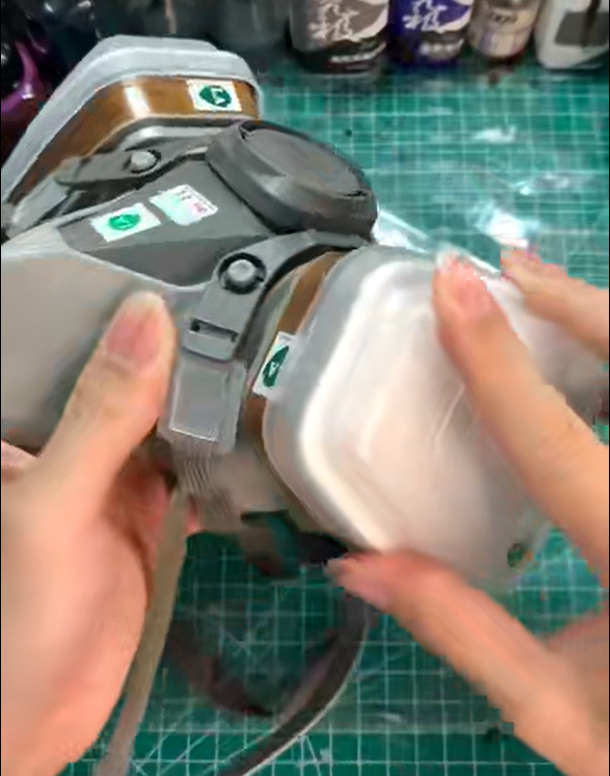
Ensuring the effectiveness of respirators is crucial for safety in hazardous environments. Advisor Genius highlights the significance of regular equipment servicing. To maintain protection, filters and cartridges must be replaced in a timely manner. Neglecting this can result in exposure to harmful contaminants. It’s essential that respirators, filters, and cartridges remain in optimal condition. The 3M Flat Fold Particulate Respirator 9542V offers both comfort and reliability. IKAR Servicing Australia provides expert guidance on maintaining respirators. ABN standards mandate adherence to regulatory guidelines. Flood cleanup workers depend on proper equipment, and appropriate clothing for flood cleanup is also vital. Email notifications from Advisor Genius keep users informed about servicing schedules. Paying close attention to these details ensures safety.
General Guidelines for Changing Filters or Cartridges
Manufacturer’s Recommendations
Understanding the User Manual
The user manual provides essential information for maintaining respirator filters. The manual explains how to replace filters when they become visibly dirty or physically damaged. The manual also advises on changing filters when breathing resistance increases significantly. Users should consult the manual to understand specific guidelines for their equipment.
Following Manufacturer’s Schedule
Manufacturer recommendations play a crucial role in ensuring safety. A respirator cartridge change schedule is often included in the guidelines. This schedule helps users know when to replace filters and cartridges. Regularly following the schedule ensures optimal performance. Honeywell Filters and other brands may have different timelines, so always check the specific instructions.
Workplace Conditions
Environmental Factors
Workplace conditions greatly affect the lifespan of filters. Air quality and contaminants in the environment determine how often replacements are needed. Experimental studies show that filters should be changed every 28 days under normal conditions. However, more frequent changes may be necessary in highly contaminated areas.
Frequency of Use
The frequency of use impacts when to replace a respirator cartridge. Frequent use in harsh environments requires more regular changes. Users should monitor the condition of their filters and cartridges closely. Experimental tests can help determine the best replacement intervals. Always ensure clean air flow and user comfort by adhering to these guidelines.
Signs of Degradation
Physical Signs
Visible Damage
Examine respirator filters for any visible damage. Cracks or tears in the filter material indicate a need for replacement. Damaged filters cannot provide adequate protection against contaminants. Always inspect filters before each use to ensure safety.
Clogging or Blockage
Check filters for signs of clogging or blockage. Accumulated debris can obstruct airflow. Blocked filters make breathing difficult and reduce effectiveness. Replace clogged filters immediately to maintain proper function.
Performance Indicators
Difficulty Breathing
Notice any increase in breathing resistance while using the respirator. Filters that are nearing the end of their service life cause this issue. The CDC NIOSH advises replacing filters when breathing becomes noticeably harder. Regular monitoring of breathing comfort ensures optimal performance.
Unusual Odors or Tastes
Detect unusual odors or tastes while wearing the respirator. This sensation signals that the filter is no longer effective. Contaminants may be passing through a degraded filter. Immediate replacement of the filter is necessary to prevent exposure to harmful substances.
Regulatory Requirements
OSHA Standards
Overview of OSHA Guidelines
The Occupational Safety and Health Administration (OSHA) provides essential guidelines for maintaining respirator filters and cartridges. OSHA emphasizes the importance of keeping filters clean and unclogged. Filters and cartridges have a limited life span. Regular replacement ensures optimal performance. OSHA guidelines mandate that workers use respirators that meet specific standards. Employers must provide training on proper respirator use. Compliance with these guidelines protects workers from harmful contaminants.
Compliance and Penalties
Compliance with OSHA standards is crucial for workplace safety. Employers must adhere to these regulations to avoid penalties. Non-compliance can result in fines and legal consequences. OSHA conducts inspections to ensure adherence to safety standards. Employers should implement a respirator maintenance program. Regular audits help maintain compliance. Proper documentation of filter changes is necessary. This practice demonstrates commitment to worker safety.
Industry-Specific Regulations
Chemical Industry Standards
The chemical industry follows strict regulations for respirator use. Filters and cartridges must be suitable for specific chemical exposures. The National Institute for Occupational Safety and Health (NIOSH) recommends frequent filter changes. Filters should be replaced daily or more often based on conditions. Employers must assess air quality regularly. Site-specific assessments determine the appropriate filter change frequency. Proper maintenance ensures protection against hazardous chemicals.
Healthcare Industry Standards
Healthcare settings require specialized respirator standards. The New Zealand Standard (NZS) provides guidelines for healthcare respirator use. Filters must be changed according to exposure levels. Healthcare workers face unique risks from airborne pathogens. Regular filter replacement is essential for infection control. Employers should provide training on respirator maintenance. Compliance with NZS standards ensures worker safety. Proper respirator use reduces the risk of contamination.
Estimating Service Life
Estimating the service life of respirator filters and cartridges is essential for ensuring safety. Understanding when to replace these components helps maintain optimal performance. Several methods can help determine the service life accurately.
Service Life Calculators
How to Use a Service Life Calculator
Service life calculators provide a practical tool for estimating how long a filter or cartridge will last. These calculators require specific input data to function effectively. Users must enter details such as environmental conditions, frequency of use, and types of contaminants. The calculator then processes this information to estimate the remaining service life. Regular use of a service life calculator aids in planning timely replacements.
Factors Affecting Service Life
Several factors influence the service life of respirator filters and cartridges. High temperatures can significantly reduce the adsorptive capacity of cartridges. The amount of filter loading directly impacts how long a filter remains effective. Filters exposed to oil aerosols, especially P-series filters, may experience reduced efficiency over time. Each model may have different service time recommendations due to varying performance under specific conditions. Monitoring these factors ensures that filters and cartridges are replaced before they become ineffective.
Scientific Methods
Breakthrough Time Testing
Breakthrough time testing serves as a critical method for assessing filter effectiveness. This test measures the time it takes for a contaminant to penetrate the filter. Shorter breakthrough times indicate a need for replacement. Regular testing helps ensure that filters provide adequate protection against airborne hazards. Consistent monitoring of breakthrough times enhances workplace safety.
Adsorption Capacity Analysis
Adsorption capacity analysis evaluates how well a filter can capture airborne particles. This analysis involves measuring the amount of contaminant a filter can hold before becoming saturated. Filters with high adsorption capacity provide longer service life. Regular analysis helps determine when a filter has reached its maximum capacity. Replacing filters based on adsorption capacity ensures that air quality remains safe for workers.
Scientific Research Findings:
- Factors Affecting Respirator Service Life: High temperatures can adversely affect the adsorptive capacity of respirator cartridges. The service life of a respirator cartridge is directly related to the amount of filter loading.
- Efficiency of P-Series Filters: Efficiency of P-series filters may be significantly reduced with long term use in the presence of oil aerosols. Reduction in filter efficiency varies significantly from model to model, requiring manufacturers to establish service time recommendations.
- Respirator Maintenance Importance: Maintaining respirators, including changing and maintaining filters and cartridges, is crucial for optimal performance. Filters and cartridges have a limited life span and are most effective when clean and unclogged.
The use of scientific methods and tools like service life calculators and adsorption capacity analysis helps in making informed decisions about filter replacements. These practices ensure that respirators continue to provide necessary protection, keeping workers safe in hazardous environments.
Respirators Filters Cartridges Posted
Australia
April in Perth
Australia places a high emphasis on safety standards for respirators. The P2 class of respirators, certified in Australia, filters 95% of small airborne particles. This standard aligns with the N95 standard set by NIOSH in the United States. Workers in Australia must adhere to these protective measures to ensure safety in hazardous environments.
April marks a crucial time for respirator maintenance in Perth. Workers should inspect respirators, filters, and cartridges regularly. MSA Safety Australia provides guidance on maintaining these components. Regular checks help identify any visible damage or clogging. Immediate replacement ensures continued protection against contaminants.
Cartridges require special attention due to their role in filtering harmful substances. Workers should replace cartridges when breathing becomes difficult. Unusual odors or tastes also indicate a need for replacement. Cartridges must remain clean and unclogged for optimal performance.
Environmental conditions in Australia affect the lifespan of respirators. High temperatures and humidity can reduce cartridge efficiency. Workers should monitor these factors closely. Regular maintenance and timely replacements keep respirators functioning effectively.
Employers in Australia must comply with safety regulations. Proper documentation of respirator maintenance is essential. This practice demonstrates a commitment to worker safety. Employers should provide training on respirator use and maintenance. Compliance with these standards protects workers from exposure to harmful contaminants.
Regularly checking and replacing respirator filters or cartridges ensures optimal performance and uninterrupted protection. Filters and cartridges have a limited lifespan. Clean and unclogged filters allow air to pass freely, maintaining filtering efficiency. Following guidelines from experts like OSHA is vital for safety. Failing to change filters regularly can reduce respirator effectiveness, leading to health issues. WorkSafeGEAR emphasizes the importance of maintenance in the Metal Fabrication Playbook. WorkSafeGEAR Australia provides resources for safety compliance. The Construction Playbook and Mining Playbook also highlight the significance of proper equipment care. Prioritize safety with WorkSafeGEAR.