
Evolution of elastomeric half mask respirators

Respiratory protection plays a crucial role in safeguarding workers from hazardous environments. Millions of workers in the United States depend on effective respiratory devices to ensure their safety. The Elastomeric Half Mask Respirator stands out as a vital tool in this regard. This device offers durability and reusability, making it an essential component in various industries. The Elastomeric Half Mask Respirator has evolved significantly, transitioning from industrial applications to healthcare settings. This evolution highlights its importance in modern safety protocols. The Elastomeric Half Mask Respirator continues to provide reliable protection against respiratory hazards.
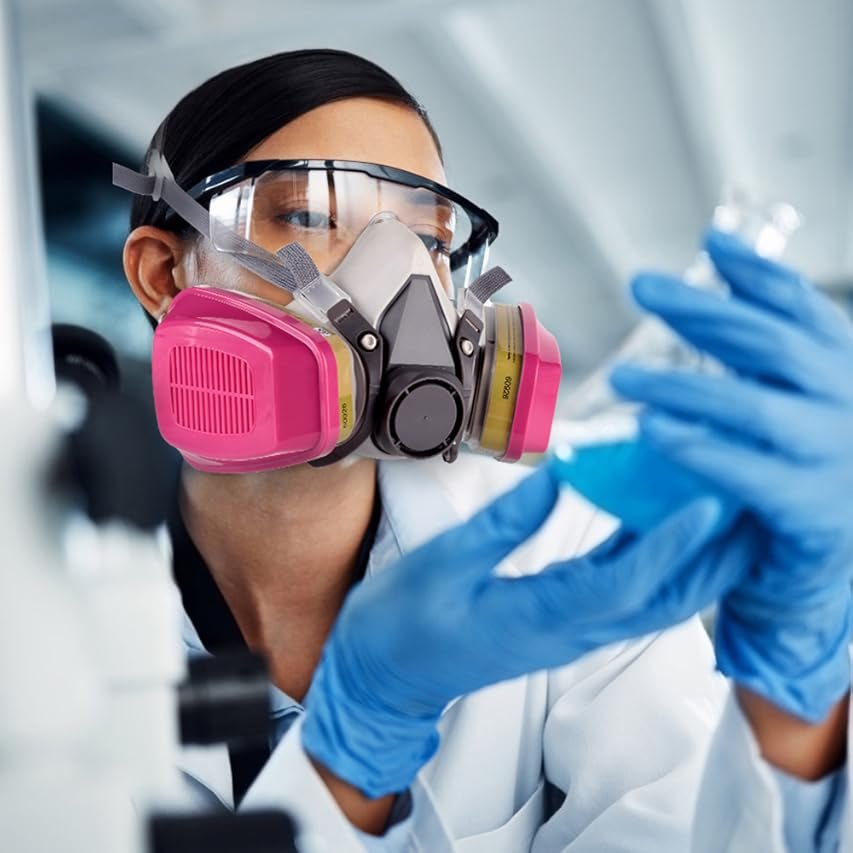
What Are Elastomeric Respirators?
Elastomeric respirators are reusable, tight-fitting masks designed to offer a higher level of protection than standard N95 respirators. Unlike disposable options, these respirators are built to last for years, making them a reliable choice for many industries. They’ve become more popular recently, but they’ve been essential for workers in fields like mining, construction, and healthcare for decades. These masks offer reliability, comfort, and cost-effectiveness, making them a superior alternative to disposable masks.
Half-mask, or half-face, respirators cover the nose and mouth and are made from synthetic material or rubber. These respirators are designed for reuse and can be repeatedly cleaned and disinfected. With interchangeable filters, they offer higher efficiency and can even use P100 filters for maximum protection.
Why Choose Elastomeric Respirators?
Elastomeric respirators are produced by various manufacturers, including industry leaders like Dentec Safety. These masks typically utilize N95, N99, N100, or P100 filters, providing superior protection compared to disposable N95 masks. Their long-term cost-effectiveness and added protection make them a common choice in both workplaces and homes.
Applications of Elastomeric Respirators
These respirators are widely used across various industries. You’ll find them in:
Mining
Auto Repair
Construction
Agriculture
Pharmaceuticals
Home Renovation
They are available online and in stores like Canadian Tire, Lowes, Home Depot, and Home Hardware. Some provinces even maintain large stockpiles for future pandemics, ensuring that healthcare workers and others have access to these crucial protective devices.

Specialized Elastomeric Respirators
Certain models, like the Comfort-Air® Series, are specifically designed for industrial use, while others, such as the Comfort-Air® Nx & NxMD series, cater to healthcare workers, teachers, and anyone needing maximum protection from threats like deadly viruses, wildfire smoke, and environmental allergens.
Key Advantages of Elastomeric Respirators
NIOSH Certification:
Manufacturers must have their elastomeric respirators approved by Health Canada or NIOSH, ensuring that only safe and effective products reach the market.
Superior Source Control:
Elastomeric respirators provide better protection from airborne droplets and transmissions than surgical masks or N95s.
Elastomeric respirators stand out as a reliable, cost-effective, and safer option for anyone needing serious respiratory protection. Whether you’re in healthcare, construction, or simply looking for a robust solution for home use, these masks provide the safety and durability you need.Elastomeric Respirators for Healthcare Workers
Disposable N95 respirators are often unreliable when reused, as they lose their structural integrity, compromising the fit and seal. In contrast, elastomeric half-mask respirators allow for consistent fit checks, ensuring proper protection every time they’re worn.
Domestic Supply Chain:
As these respirators are made in North America, they reduce dependence on foreign suppliers, create local jobs, and help stabilize the economy by preventing supply chain disruptions.
Reduction in Counterfeit Products:
The widespread use of elastomeric respirators can decrease the need for importing potentially counterfeit KN95 masks.
Reusable and Reliable:
Unlike disposable N95 masks, which lose their effectiveness after repeated use, elastomeric respirators can be cleaned, disinfected, and reused while maintaining a proper seal.
Technological Advancements
Material Innovations
Technological advancements have significantly improved EHMRs. Material innovations have played a vital role in enhancing the performance of these devices. Modern EHMRs utilize advanced materials that offer superior filtration capabilities. These materials provide greater protection against airborne particles and toxic gases. The evolution of EHMRs reflects the continuous efforts to improve respiratory protection.
EHMRs without exhalation valves have become increasingly important. Concerns about the spread of respiratory pathogens led to innovations in EHMR design. Manufacturers developed EHMRs without exhalation valves or with filtered adaptors. These modifications ensure safety and compliance with NIOSH standards. EHMRs without exhalation valves offer enhanced protection in healthcare settings.
Design Improvements
Design improvements have further enhanced the effectiveness of EHMRs. Engineers have focused on optimizing the fit and comfort of these devices. Improved designs ensure a secure seal, reducing the risk of exposure to hazardous substances. EHMRs now feature adjustable straps and ergonomic shapes. These enhancements contribute to user comfort and prolonged wearability.
Recent studies by NIOSH have provided insights into the performance of modified EHMRs. Research focused on exhalation resistance and inspired CO2 levels. Findings revealed that modifications generally increased exhalation resistance. However, all tested EHMRs met NIOSH performance requirements. EHMRs covered with surgical masks showed minimal increases in inspired CO2 levels. These studies confirm the reliability of EHMRs in providing effective respiratory protection.
The evolution of Elastomeric Half Mask Respirators demonstrates the commitment to advancing respiratory protection. EHMRs continue to play a vital role in safeguarding workers across various industries. The focus on material innovations and design improvements ensures that EHMRs meet modern safety standards. As EHMRs evolve, their significance in ensuring workplace safety remains paramount.
Key Research Studies on Exhalation Valves
Methodologies and Findings
Study on Respiratory Efficiency
The NIOSH Respirator Exhalation Valve Research explored the efficiency of EHMRs in filtering exhaled air. Researchers focused on the potential spread of infections through unfiltered exhaled air passing through EHMR exhalation valves. The study revealed that modifications to EHMRs, such as covering EHMR exhalation valves, could enhance safety by reducing particle emissions. However, these modifications might lead to increased exhalation resistance. The Evaluation of Exhalation Resistance in EHMRs highlighted that blocking the exhalation valve might improve source control efficacy. Yet, this could result in higher exhalation resistance or elevated CO2 levels.
Comparative Analysis with Other Respirators
A comparative analysis examined EHMRs alongside other respirators, including Filtering Facepiece Respirators (FFRs) with exhalation valves. The study found that FFRs with exhalation valves provided respiratory protection comparable to surgical masks. Modifications to FFRs further reduced particle emissions, offering enhanced protection. EHMRs demonstrated similar capabilities, with the added advantage of reusability. The findings emphasized the importance of NIOSH Approved EHMRs in providing reliable respiratory protection.
Impact on Safety Standards
Influence on NIOSH Guidelines
The research conducted by the National Personal Protective Technology Laboratory influenced NIOSH guidelines significantly. The studies on EHMR exhalation valves informed updates to safety standards. NIOSH approval for EHMRs without exhalation valves or with filtered adaptors became crucial. These modifications ensured compliance with NIOSH exhalation resistance performance requirements. The NIOSH Certified Equipment List now includes EHMRs designed to meet modern safety standards.
Adoption in Healthcare
The adoption of EHMRs in healthcare settings gained momentum due to their enhanced safety features. NIOSH Approved respirators, particularly those without exhalation valves, became essential in healthcare environments. The EHMRs and Exhalation Valves Study confirmed that modified exhalation valves increased safety for users. EHMRs offered a sustainable alternative to disposable masks, aligning with updated healthcare guidelines. The NIOSH National Personal Protective Technology Laboratory continues to lead research efforts, ensuring that EHMRs meet the specific needs of healthcare workers.
Current Trends and Future Directions

Ongoing Research on Exhalation Resistance
Research on exhalation resistance in Elastomeric Half Mask Respirators (EHMRs) continues to advance. Scientists focus on enhancing filtration technology to improve performance. Modern EHMRs incorporate advanced materials that increase efficiency. These materials reduce the environmental impact by minimizing waste generation. Industries adopt eco-friendly filtration processes to conserve resources.
User comfort and fit remain critical factors in EHMR design. Engineers strive to optimize these aspects to ensure safety. Adjustable straps and ergonomic shapes enhance user experience. Improved designs maintain a secure seal, reducing exposure risks. NIOSH emphasizes the importance of comfort in respiratory protection.
Future Prospects
The future of EHMRs looks promising with smart technology integration. IoT connectivity enables real-time monitoring of EHMR performance. Sensors provide data for proactive maintenance and efficient resource allocation. Smart technologies improve system performance and user safety.
Potential for broader applications exists in various sectors. Healthcare settings benefit from EHMRs without exhalation valves. These devices offer enhanced protection against pathogens. EHMRs also find use in industries requiring high-level respiratory protection. The versatility of EHMRs makes them suitable for diverse environments.
The evolution of Elastomeric Half Mask Respirators marks significant advancements in respiratory protection. Exhalation valves have undergone substantial modifications to enhance safety and efficiency. NIOSH has played a pivotal role in setting standards that ensure these respirators meet NIOSH guidelines. The focus on exhalation resistance and inspired CO2 levels has led to improved designs. These designs have met NIOSH performance requirements, providing reliable protection. National research efforts continue to explore new materials and technologies. These innovations aim to reduce exhalation resistance and improve user comfort. Future developments will likely incorporate smart technologies. These advancements will optimize filtration efficiency and minimize energy consumption. The commitment to innovation ensures that EHMRs remain vital in various industries.