
The importance of changing mask filters
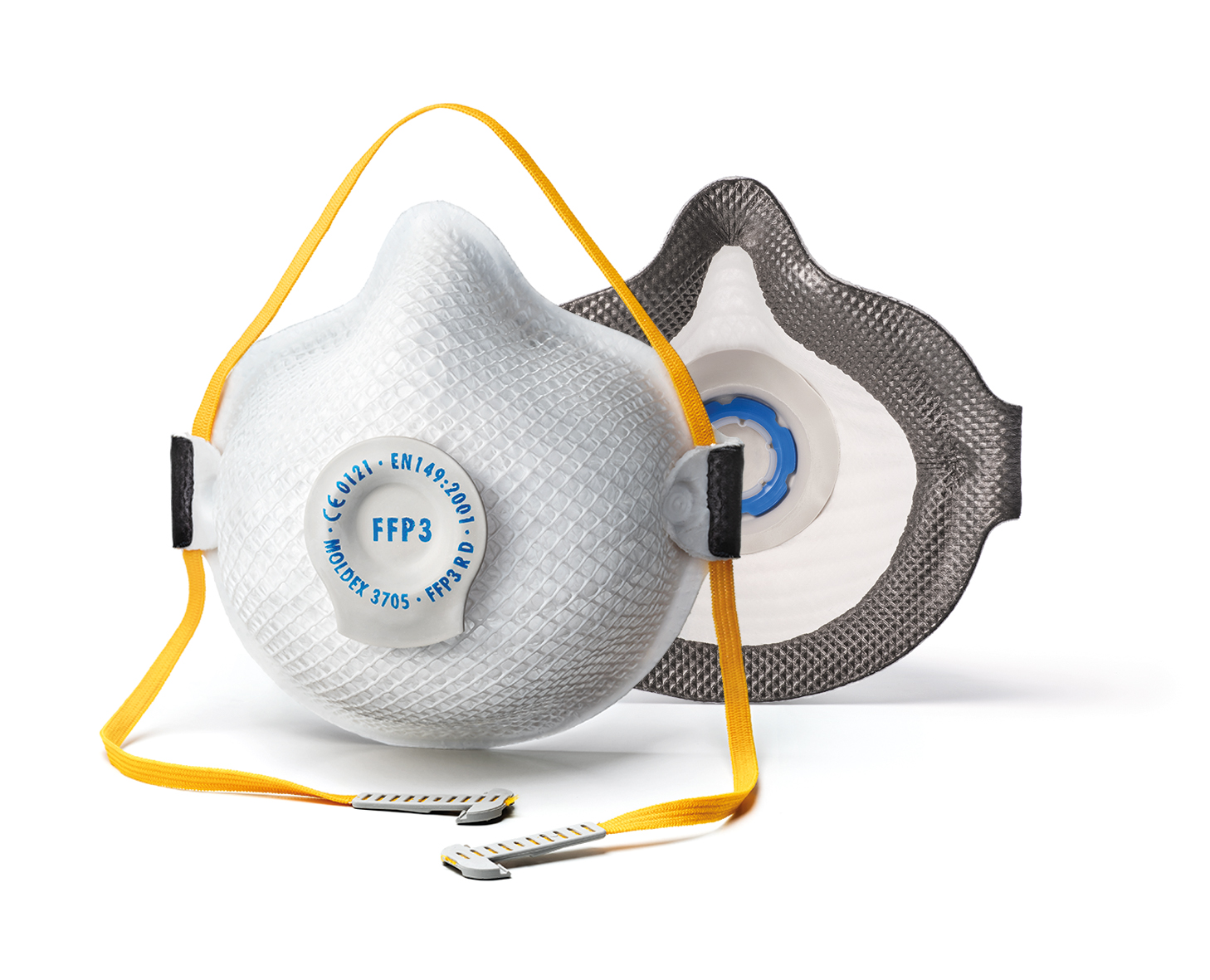
Masks and respirators are essential for safeguarding against harmful particles. Wearing masks significantly reduces the risk of infections, such as SARS-CoV-2. High-quality masks, like N95s, can block up to 95% of particles. Ensuring proper mask use is key to maintaining safety in public spaces. Regularly changing your mask filters is crucial for preserving their effectiveness, as filters can become clogged, diminishing airflow. To ensure optimal performance, it’s important to change filters frequently. Uair dust masks and face fit masks for beards require special attention. A proper seal is vital to prevent leaks, especially for those with facial hair. Masks are your protection, so it’s essential to keep them in excellent condition.
Why do we need to change mask filters?
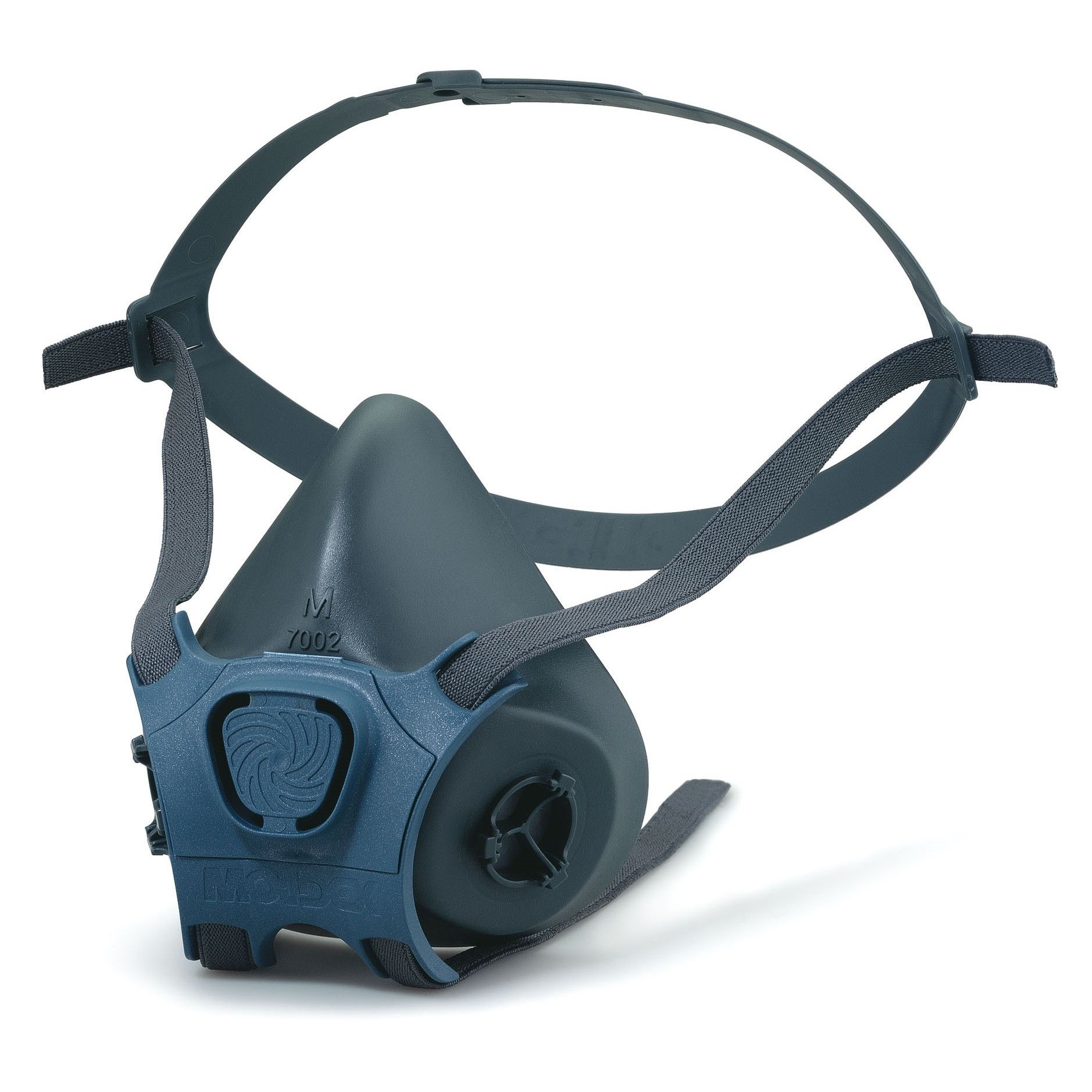
Changing mask filters keeps us safe. Let’s see why it’s important.
Expiration
Knowing how long filters last
Mask filters don’t last forever. They stop working well after a while. Companies tell us when they expire. Checking these dates keeps us safe. NIOSH says knowing filter life is key. Filters in dusty places wear out faster. Watching them helps avoid using old ones.
Importance of changing on time
Changing mask filters on time is a must. Old filters aren’t safe anymore. Replacing them keeps masks working right. OSHA says change them if breathing gets hard. Doing this quickly keeps you protected.
Wear and Tear
How handling affects filters
Handling can hurt mask filters. Moving masks wears them out. Traveling with masks can damage them more. Being careful helps them last longer. Broken filters need changing fast to stay safe.
Signs of damage and need for new ones
If you see damage, change the filter soon. Cracks or tears make them work less well. Harder breathing means there’s a problem too. OSHA says replace damaged ones quickly to stay safe.
Build-up
How clogging affects breathing
Clogged filters make it hard to breathe. Dust blocks the air from getting through. Changing them often stops clogs from happening, making it easier to breathe and stay safe.
When to change the filter
Smelling or tasting something bad means change the filter now! Weak filters let bad stuff in easily, so act fast when this happens, as Dust Masks Direct advises, for best protection.
Regularly changing mask filters is very important for safety by checking expiration dates, watching for wear, and avoiding build-up.
When to change mask filters
Changing mask filters on time keeps you safe. Knowing when to swap them is key for good protection. Let’s learn more.
Manufacturer Guidelines
Manufacturers give rules for changing filters. These rules help your mask work best.
Shelf life of unopened filters
Unopened filters last about two years. This time makes sure they work well when needed. Always check the box for expiration dates. Watching these dates helps you not use old filters.
Replacement timeline for opened filters
Once opened, a filter’s time starts running out. Most say change it in one week to one month. Some say after 40 hours of use. Following this keeps your mask giving CleanAir. If breathing gets hard or it’s dirty, get a new one.
Signs of Contaminant Detection
Finding bad stuff means change the filter fast. Your senses help with this.
Smell or taste as indicators
If you smell or taste something weird, act now! It means bad stuff is getting through the filter. Changing it brings back CleanAir and safety.
Preventing respiratory damage
Ignoring signs can harm your lungs. Quick action stops bad particles from entering. Checking often ensures your mask gives CleanAir always.
Following maker rules and spotting contamination signs are important steps to keep your mask working well. Regular filter changes keep you safe and let you breathe CleanAir daily.
Factors that affect how often to change filters
Knowing when to change mask filters is important for staying safe. Many things can make you change them more often. Let’s look at what affects this choice.
Hot Places
Hot places can shorten filter life. Heat makes the air wetter, which wears out filters faster. Filters might not last long in hot spots. Watch the temperature and change filters as needed.
How Much You Use Your Mask
Using your mask a lot wears out filters quickly. Jobs like grinding need more breathing effort, wearing out filters fast. If you use your mask every day, especially in building work, change filters often for best safety.
How Dirty the Air Is
Dirty air makes filters work harder. Dusty places like building sites have more particles. This clogs filters fast and makes them less effective. If breathing gets hard or the filter looks dirty, it’s time to swap it.
Checking these things helps keep your mask working well. Keep your mask in good shape by changing filters regularly. A good mask keeps bad stuff away.
Special Considerations for Beards

Wearing masks with beards can be tricky. The beard can mess with the seal of the mask. This section will help you understand how to keep your mask working well with a beard.
Beard and Mask Fit
Challenges of achieving a proper seal
A beard can make it hard to get a good seal on a mask. Professor Qingyan Chen from Purdue University says, “A beard is very likely to create a small gap between facial skin and mask unless one fastens the mask tightly.” This gap lets air in and out, which can be dangerous. A beard can also cause wear and tear on the mask. The mask might not fit right if the beard is long or thick.
Importance of regular filter changes
Changing filters often helps keep the mask working well. Filters can get clogged with beard hair and other stuff. Regular changes make sure the mask stays safe. Researchers T.J. Stobbe, R.A. daRoza, and M.A. Watkins say that facial hair can interfere with the seal. So, changing filters is important for safety.
Uair Dust Masks and Face Fit Masks for Beards
Ensuring effective protection
Uair dust masks and face fit masks for beards are made to work with facial hair. These masks help keep a good seal even with a beard. The Powercap Active helmet version is a good choice for people with beards. This helmet version offers extra protection. Wearing a respirator with a beard needs careful attention.
Addressing potential leaks
Leaks can happen if the mask doesn’t fit right. Floyd and other researchers found that beard length and density decreased mask fit. Checking the mask often helps find leaks. Changing filters and adjusting the mask can fix leaks. Beard respirators CSA approved can help ensure safety.
Keeping your beard stay neat can also help with mask fit. For the sake of safety, always check your mask and change filters when needed. Wear a respirator that fits well and keeps you safe while you work.
Comments on Changing Mask Filters
Changing mask filters is very important to keep you safe. Let’s look at some easy ways to make sure your masks work well.
Easy Tips
Follow what the maker says
Always do what the mask maker tells you about changing filters. They give special rules for each mask and filter type. Usually, they say to change filters every 28 days. But this can change if your work area is different or has more dust. If it’s hard to breathe, your filter might be blocked and needs a change soon. Following these tips keeps you safe.
Check your filter often
Look at your mask filters regularly. See if there are any rips, tears, or blockages. Hard breathing means the filter might be clogged. Change it right away if you notice these things. This helps your mask work well.
Using a Powered Air Purified Respirator (PAPR) like the Powercap Active PAPR can help too. PAPRs give clean air all the time, which is good for dusty places. Keeping them in good shape and changing filters on time makes sure they work best.
By doing these simple things, you keep your mask strong and protect yourself from bad stuff in the air. Always check and follow rules for best safety.
Changing mask filters often is very important for keeping you safe. Filters stop working well because they get old, worn out, or clogged. Follow the maker’s rules to keep them working best. Check your filters to avoid breathing problems. Change broken or clogged filters quickly to keep air fresh and easy to breathe. Stay safe by following the schedule and noticing bad signs. Always take care of your filters to stay healthy and comfy. Use these tips to stay protected wherever you are.