
Respirator with P100: Your Best Protection Choice
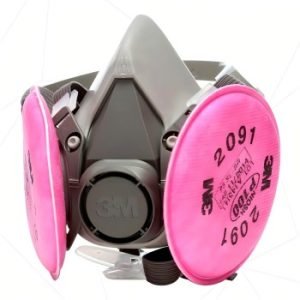
Respiratory protection plays a crucial role in safeguarding health. Airborne particles pose significant risks to respiratory health. The respirator with P100 stands out as a superior choice. This respirator filters at least 99.97% of airborne particles. The P100 offers strong resistance to oil, making it suitable for diverse environments. The high filtration efficiency of the P100 ensures maximum protection against harmful particles. Choosing a respirator with P100 provides peace of mind and enhanced safety.
Understanding P100
What Does P100 Mean?
Filtration Efficiency
The respirator with P100 offers exceptional filtration efficiency. This respirator filters at least 99.97% of airborne particles. The high filtration capability makes it suitable for environments with hazardous substances. Lead, asbestos, and mold spores cannot penetrate the P100 filter. The respirator ensures maximum protection against small particles.
Respirator filters are rated based on their ability to block particulate matter and their suitability for specific environments. This is why designations like N95 or P100 exist. The letter indicates the product’s resistance to oil, how tightly the material is woven, and the static charge in the material. The number represents the percentage of particles filtered out. Among these, P100 is the highest rating available for personal respiratory protection. When properly fitted, a P100 filter blocks 99.9% of particles .3 microns or larger, making it nearly impenetrable. These filters are highly resistant to oil, allowing them to protect against both solid and liquid particles in the atmosphere, though they may degrade faster in oil-rich environments. For those interested in a more technical guide to particulate respirators, the CDC offers detailed information.
Resistance to Oil
The respirator with P100 provides strong resistance to oil. This feature allows usage in environments with both solid and liquid particles. Oil-based particles do not affect the performance of the P100 filter. The respirator remains effective even in challenging conditions. This oil resistance enhances the versatility of the P100 respirator.
However, it’s important to note that not all masks or filters, and not even all P100 masks, are suitable for every hazard. Employers typically know the types of hazards their workers face and can determine whether to invest in a multi-gas cartridge, protection against organic vapors and acid gases, or protection from fumes, biological hazards, or solid particles like sawdust or asbestos. Additionally, the comfort of a properly fitted mask is crucial, especially for longer shifts. Wearing the correct PPE for the entire duration of a shift is essential for adequate protection. Combination cartridges, which pair a P100 filter with an activated charcoal cartridge, are commonly used on worksites for their convenience and ability to protect against a range of hazards. It’s important to replace these cartridges if the filter becomes clogged or if you begin to smell fumes, even if one part of the cartridge is still functioning.
How P100 Respirators Work
Mechanism of Filtration
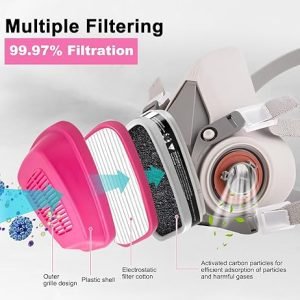
The respirator with P100 uses advanced filtration mechanisms. Mechanical filtration captures larger particles. Electrostatic attraction targets smaller particles. This combination ensures comprehensive protection. The respirator blocks particles as small as .3 microns. The mechanism makes the P100 virtually impenetrable.
Design and Structure
The design of the respirator with P100 focuses on efficiency and comfort. A proper fit ensures optimal protection. The structure includes multiple layers for enhanced filtration. Each layer contributes to blocking different particle sizes. The design also considers breathability for user comfort. Proper maintenance extends the lifespan of the respirator.
Comparing P100 with Other Respirators
P100 vs. N95
Filtration Capabilities
The respirator with P100 offers superior filtration capabilities compared to the N95. P100 filters out at least 99.97% of airborne particles. This includes small particles like bacteria, viruses, lead, and asbestos. N95 respirators filter out at least 95% of airborne particles. The higher efficiency of P100 makes it a better choice for environments with high exposure to contaminants.
Protection Levels
Protection levels differ significantly between the respirator with P100 and the N95. P100 provides a higher level of protection due to its ability to block 99.9% of particles .3 microns or larger. N95 offers protection by filtering out 95% of similar particles. The P100’s strong resistance to oil enhances its protective capabilities. This makes the P100 more versatile in various environments.
P100 vs. Other Respirator Types
Cost and Availability
Cost and availability play crucial roles in choosing a respirator. The respirator with P100 may have a higher initial cost compared to other types. However, the long-term benefits outweigh the price difference. P100 respirators provide more comprehensive protection. Availability can vary based on location and demand. Investing in a P100 ensures better safety and health outcomes.
Suitability for Different Environments
Suitability for different environments sets the respirator with P100 apart from other types. P100 respirators excel in industrial settings with hazardous dust and smoke. Wildfire-affected areas benefit from the P100’s high filtration efficiency. Other respirator types may not offer the same level of protection. The versatility of the P100 makes it ideal for diverse applications.
Applications and Environments
Industrial Settings
Common Industries Using P100
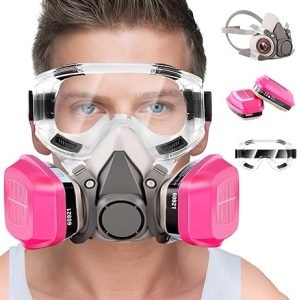
Industries prioritize safety when dealing with hazardous materials. The respirator with P100 offers essential protection in these environments. Chemical manufacturing facilities benefit from the P100’s high filtration efficiency. Workers handle substances that pose respiratory risks. Construction sites also utilize P100 respirators. Dust and debris can harm respiratory health. Mining operations face exposure to harmful particulates. The P100 respirator ensures workers’ safety in these challenging conditions.
Specific Hazards Addressed
The respirator with P100 addresses specific hazards effectively. Chemical spills present significant dangers in industrial settings. The P100 filter provides a barrier against airborne contaminants. Oil-based particulate aerosols require specialized protection. The P100’s resistance to oil enhances its effectiveness. Asbestos and lead particles pose long-term health risks. The P100 respirator blocks these particles, safeguarding workers’ health.
Areas Affected by Wildfire Smoke
Air Quality Concerns
Wildfire smoke affects air quality significantly. The respirator with P100 offers crucial protection in these situations. Smoke contains fine particles that penetrate deep into the lungs. The P100 filter captures at least 99.97% of these particles. Residents in wildfire-prone areas face respiratory challenges. The P100 respirator provides a reliable solution for maintaining health.
Protective Measures
Protective measures become vital during wildfire events. The respirator with P100 serves as an essential tool for safety. Proper fit ensures maximum filtration efficiency. Users must adjust straps for a secure seal. Regular maintenance extends the lifespan of the respirator. Cleaning and replacing filters maintain optimal performance. The P100 respirator offers peace of mind in smoke-affected regions.
Health Benefits of P100 Respirators
Reducing Inhalation of Harmful Particles
Long-term Health Benefits
The respirator with P100 offers significant long-term health benefits. Airborne particles, such as asbestos and lead, pose serious health risks. The P100 filter blocks 99.97% of these harmful particles. This high level of filtration reduces exposure to dangerous substances. Consistent use of a P100 respirator can prevent chronic respiratory diseases. Workers in industries with hazardous materials benefit greatly. The P100 respirator ensures a healthier future by minimizing inhalation of toxic particles.
Immediate Protection
Immediate protection becomes crucial in environments with airborne hazards. The respirator with P100 provides this essential safeguard. Wildfire smoke and industrial dust contain fine particles. These particles can cause immediate respiratory distress. The P100 filter captures these particles effectively. Users experience reduced irritation and breathing difficulties. The P100 respirator offers peace of mind in challenging conditions. Proper fit and usage enhance the immediate protective benefits.
Enhancing Overall Respiratory Health
Preventing Respiratory Diseases
Preventing respiratory diseases requires effective protection. The respirator with P100 excels in this role. Dust, smoke, and chemical fumes threaten lung health. The P100 filter prevents these particles from entering the respiratory system. Regular use of a P100 respirator reduces the risk of diseases like asthma and bronchitis. Workers in high-risk environments benefit from this preventive measure. The P100 respirator supports long-term respiratory health.
Supporting Vulnerable Populations
Vulnerable populations require extra protection against airborne hazards. The respirator with P100 meets this need effectively. Children, elderly individuals, and those with pre-existing conditions face higher risks. The P100 filter provides a reliable barrier against harmful particles. This protection is vital during events like wildfires and industrial accidents. The P100 respirator ensures safety for those who need it most. Families and caregivers can trust the P100 for comprehensive protection.
Practical Advice for Selecting and Using P100 Respirators
Choosing the Right P100 Respirator
Factors to Consider
Selecting the right respirator with P100 involves several key factors. The environment plays a crucial role in determining the appropriate respirator. Industrial settings require high filtration efficiency. The P100 Particulate Filtering Facepiece Respirator offers strong resistance to oil. This feature makes it suitable for environments with both solid and liquid particles. Comfort and ease of use also influence the choice. The GVS SPR451 Elipse P100 Half Mask Respirator excels in comfort and construction quality. Users should evaluate the specific needs of their work environment.
Fit and Comfort
Fit and comfort are essential for effective use of a respirator with P100. A proper fit ensures optimal protection against airborne particles. The Honeywell Multi-Purpose Reusable Half Mask MC/P100 Respirator features a contoured sealing flange. This design provides a secure fit for various face shapes. Soft, non-allergenic materials enhance comfort during prolonged use. Users should adjust straps to achieve a snug fit. Regular checks ensure the respirator maintains its protective seal.
Maximizing Protective Benefits
Proper Usage Techniques
Proper usage techniques maximize the protective benefits of a respirator with P100. Users must follow manufacturer instructions for wearing and adjusting the respirator. Straps should be tightened to prevent air leaks. The respirator should cover both nose and mouth completely. Users should avoid touching the respirator while in use. Contaminants can transfer from hands to the respirator surface. Regular training on usage techniques enhances safety and effectiveness.
Maintenance and Care
Maintenance and care extend the lifespan of a respirator with P100. Users should inspect the respirator for damage before each use. Filters require regular replacement to maintain filtration efficiency. The GVS SPR451 Elipse P100 Half Mask Respirator comes with replaceable filters. Cleaning the respirator with mild soap and water removes contaminants. Proper storage prevents damage and contamination. Users should store the respirator in a clean, dry place when not in use.
The respirator with P100 stands as the pinnacle of personal respiratory protection. The P100 filter blocks 99.97% of airborne particles, ensuring safety against hazardous substances like lead and asbestos. Industries handling chemicals or facing chemical spills benefit greatly from P100 respirators. The design prioritizes user comfort, making it suitable for prolonged use. Although slightly costlier than N95 respirators, the enhanced filtration efficiency justifies the investment. Consider P100 respirators for reliable protection in challenging environments. Prioritize safety and choose the best option for respiratory health.