
How long respirator filters last
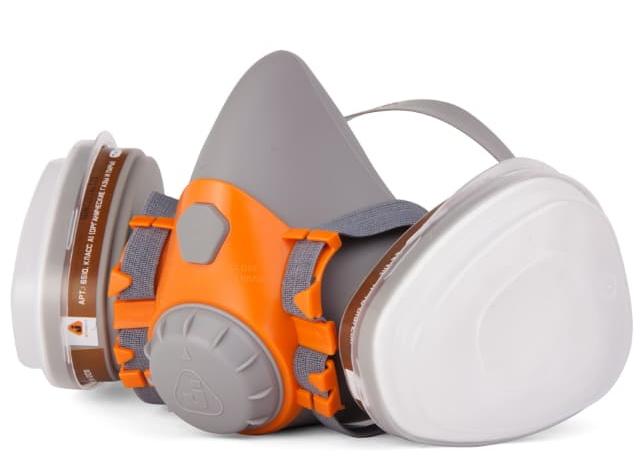
Respirator filters play a crucial role in ensuring safety by trapping harmful particles and gases. The lifespan of these filters varies based on several factors, including the type of filter and environmental conditions. Understanding how long respirator filters last is essential for maintaining effective respiratory protection. This blog provides detailed information to help users manage their respirator filters efficiently.
Types of Respirator Filters
Particulate Filters
Description and Uses
Particulate filters protect against dust, fumes, micro-organisms, and viruses. These filters come in various efficiency levels, such as R95 Particulate Filter (95% efficiency), P100 Particulate Filter (99.97% efficiency), and N99 Particulate Filter (99% efficiency). Particulate filters are essential for environments with non-oil-based aerosol particulates. High Efficiency Particulate Air-purifying (HEPA) filters offer 99.97% efficiency for all particulates.
Lifespan and Replacement Indicators
Particulate filters should be replaced when breathing becomes difficult or if the filter appears visibly dirty. For Powered Air-Purifying Respirators (PAPR), pre-filters need daily replacement or at least twice a week for non-constant use. HE filters require replacement every 2-4 weeks, sooner if used constantly with hazardous contaminants.
Gas and Vapor Filters
Description and Uses
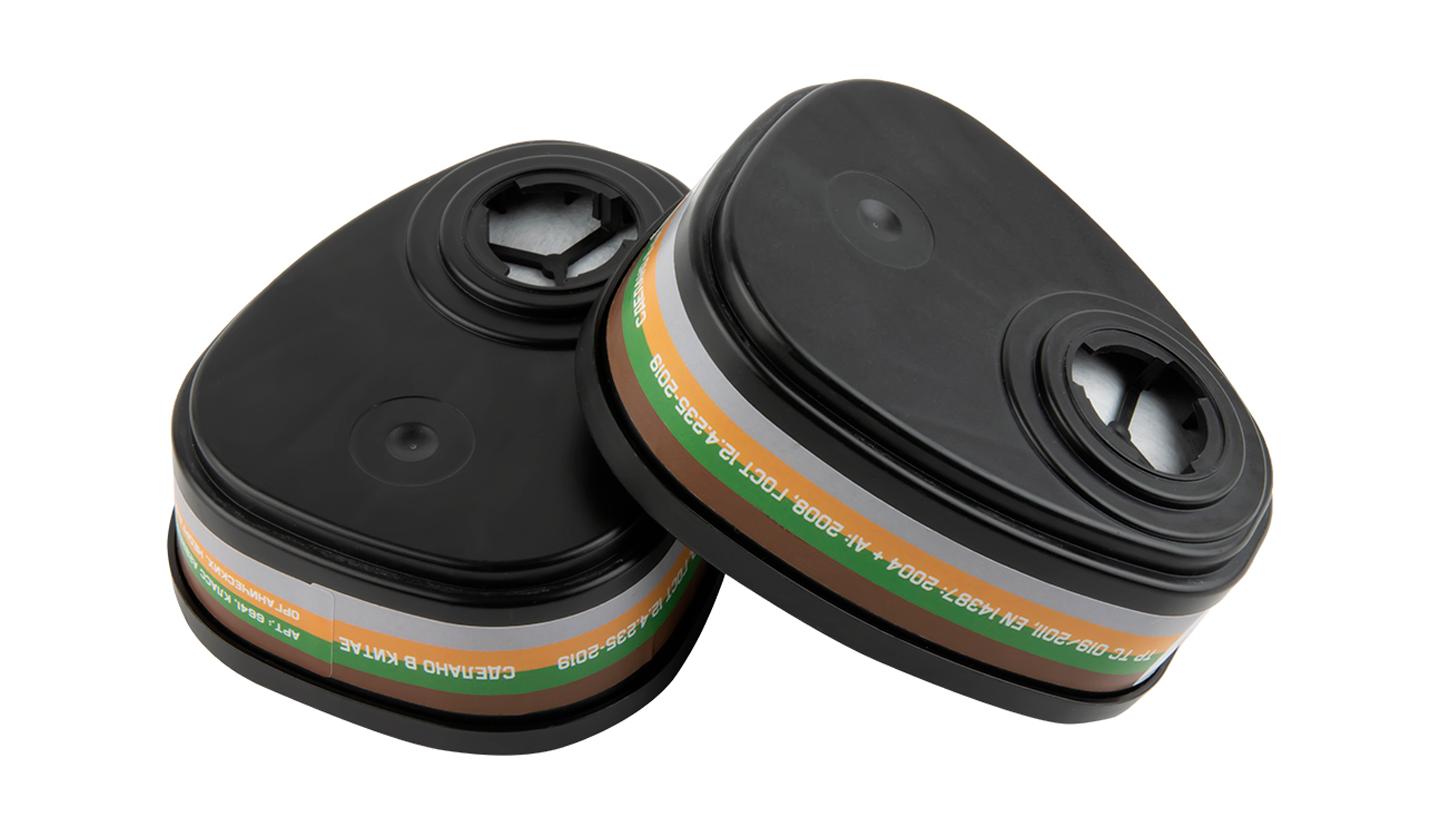
Gas and vapor filters protect against harmful gases and vapors. These filters are crucial in environments with chemical hazards. Gas and vapor filters contain activated carbon to absorb contaminants. Different cartridges target specific gases and vapors, ensuring tailored protection.
Lifespan and Replacement Indicators
Replace gas and vapor filters when the contaminant can be detected by smell or taste. Manufacturers stamp expiry dates on these filters. Opened filters should be replaced within six months, even if unused. Unopened filters can last up to five years if stored in original packaging.
Combination Filters
Description and Uses
Combination filters offer protection against both particulates and gases or vapors. These filters are versatile and suitable for mixed-contaminant environments. Combination filters integrate particulate and gas/vapor filtering elements, providing comprehensive respiratory protection.
Lifespan and Replacement Indicators
Combination filters follow the same replacement guidelines as their individual components. Replace filters when breathing resistance increases, or contaminants become detectable by smell or taste. Adhere to manufacturer guidelines for specific replacement schedules.
Factors Affecting Filter Longevity
Environmental Conditions
Exposure to Contaminants
Respirator filters face varying levels of contaminants in different environments. High contaminant levels necessitate more frequent filter changes. Filters in industrial settings with heavy dust or chemical exposure degrade faster. Regular monitoring ensures timely replacement, maintaining optimal protection.
Humidity and Temperature
Humidity and temperature significantly impact respirator filter longevity. High humidity can halve the lifespan of filters. Moisture clogs particulate filters, reducing airflow. Extreme temperatures also degrade filter materials. Proper environmental control extends filter life.
Usage Patterns
Frequency of Use
Frequent use shortens the lifespan of respirator filters. Daily use in high-contaminant areas requires more frequent replacements. Infrequent use extends filter life but still necessitates regular checks. Consistent monitoring ensures effective respiratory protection.
Duration of Use
Longer usage periods accelerate filter wear. Continuous use in hazardous environments demands frequent replacements. Shorter usage periods allow filters to last longer. Regular breaks and proper maintenance extend filter longevity.
Storage Conditions
Proper Storage Techniques
Proper storage techniques preserve respirator filters. Store filters in cool, dry places away from direct sunlight. Use airtight containers to prevent moisture and contaminant exposure. Proper storage extends filter life and maintains effectiveness.
Impact of Improper Storage
Improper storage degrades respirator filters. Exposure to moisture, heat, and contaminants reduces filter efficiency. Storing filters in open or unsealed containers accelerates wear. Adhering to proper storage guidelines ensures long-lasting filter performance.
Maintenance and Care Tips
Regular Inspection
Visual Checks
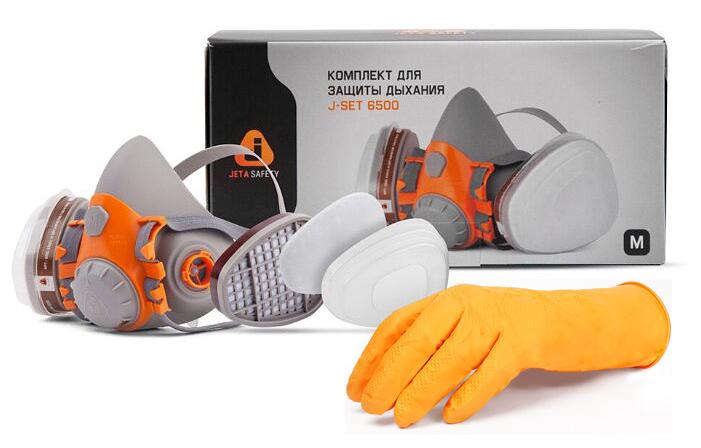
Regular visual checks ensure respirator filters remain effective. Inspect filters for any visible damage, such as tears or holes. Check for dirt accumulation that could impede airflow. Ensure the filter material remains intact and free from contamination. Consistent visual inspections help identify issues early, preventing potential hazards.
Functional Tests
Functional tests verify the performance of respirator filters. Conduct a fit test to ensure the respirator seals properly against the face. Perform a negative pressure check by covering the filter inlets and inhaling gently. The respirator should collapse slightly, indicating a proper seal. Conduct a positive pressure check by exhaling gently while covering the exhalation valve. The respirator should bulge slightly without air leaking out. Regular functional tests maintain the integrity of respiratory protection.
Cleaning Procedures
Cleaning Particulate Filters
Cleaning particulate filters involves careful handling. Use a soft brush to remove loose particles from the filter surface. Avoid using water or cleaning agents, as these can damage the filter material. Replace filters showing signs of wear or contamination. Proper cleaning extends the lifespan of particulate filters.
Cleaning Gas and Vapor Filters
Gas and vapor filters require specific cleaning procedures. Do not use water or solvents, as these can compromise the activated carbon. Wipe the exterior with a dry cloth to remove dust and debris. Replace filters when contaminants become detectable by smell or taste. Adhering to cleaning guidelines ensures the effectiveness of gas and vapor filters.
Proper Storage
Storage Environment
Proper storage environments preserve respirator filters. Store filters in cool, dry places away from direct sunlight. Avoid areas with high humidity or extreme temperatures. Use airtight containers to prevent exposure to moisture and contaminants. Proper storage conditions extend the life of respirator filters.
Storage Containers
Use appropriate storage containers for respirator filters. Airtight containers protect filters from environmental factors. Label containers with the date of storage and type of filter. Ensure containers remain sealed when not in use. Proper storage containers maintain the integrity of respirator filters.
Practical Recommendations
Manufacturer Guidelines
Importance of Following Instructions
Manufacturers provide specific guidelines for respirator filters. Adhering to these instructions ensures optimal performance and safety. Manufacturers often suggest replacing filters within six months of opening, even if unused. Proper storage and care can extend the life of respirator filters. Following manufacturer guidelines helps maintain effective respiratory protection.
Where to Find Information
Information on respirator filters can be found in product manuals and on manufacturers’ websites. Many manufacturers offer free software to help choose the right respirator and determine its estimated service life. Consulting with a trained expert or the product maker provides reliable advice on cleaning, inspecting, and upkeeping respirator filters. Always refer to the manufacturer’s instructions for accurate information.
When to Replace Filters
Signs of Wear and Tear
Respirator filters should be replaced when breathing becomes difficult or if the filter appears visibly dirty. Gas or vapor cartridges need changing when contaminants can be detected by smell or taste. Filters clogged with paint or similar substances should also be replaced. Regular inspection helps identify these signs early, ensuring ongoing protection.
Manufacturer’s Replacement Schedule
Manufacturers stamp expiry dates on respirator filters. Opened filters should be replaced within six months, even if unused. Unopened filters can last up to five years if stored in original packaging. Label each filter with the date of installation and avoid using any whose age is unknown. Adhering to a strict replacement schedule ensures the effectiveness of respirator filters.
Additional Resources
Contact Information for Manufacturers
Manufacturers often provide contact information for customer support. Reaching out to manufacturers can offer guidance on filter replacement and maintenance. Many manufacturers have dedicated support teams to assist with any questions or concerns about respirator filters. Always keep manufacturer contact information handy for quick reference.
Online Resources and Guides
Numerous online resources and guides are available for managing respirator filters. Websites like OSHA provide detailed information on respiratory protection standards. Online forums and industry-specific websites also offer valuable insights and tips. Utilizing these resources helps stay informed about best practices for respirator filter maintenance.
Respirator filters have varying lifespans based on type and usage conditions. Regular maintenance and timely replacement ensure optimal performance. Users should follow manufacturer guidelines for filter care. Professional advice can provide additional safety insights. Proper storage and inspection extend filter longevity. Effective respiratory protection depends on diligent upkeep.