
A Guide to Respiratory Protection Filters

In various industries, respiratory protection filters play a vital role in safeguarding workers against harmful contaminants. Regulatory bodies like NIOSH and OSHA set stringent standards to ensure optimal safety measures. This guide aims to educate individuals on the diverse types of respiratory protection filters available, empowering them to make informed decisions for their well-being.
Understanding Respiratory Protection Filters
Definition and Purpose
Respiratory protection filters, also known as respirator filters, are essential components in filtering out harmful contaminants from the air. These filters act as barriers, preventing particles and gases from entering the user’s respiratory system. Ensuring the quality and efficiency of these filters is paramount for maintaining a safe breathing environment.
Why are they important?
The significance of respiratory protection filters lies in their ability to safeguard individuals against various airborne hazards. By effectively trapping particulates and chemicals, these filters reduce the risk of respiratory illnesses and long-term health complications. Adhering to regulatory standards ensures that workers are adequately protected in hazardous environments.
Regulatory Standards
NIOSH standards
The National Institute for Occupational Safety and Health (NIOSH) establishes rigorous criteria for respiratory protection filters to guarantee their effectiveness. Compliance with NIOSH standards certifies that filters meet specific performance benchmarks, assuring users of reliable protection against airborne threats.
OSHA guidelines
The Occupational Safety and Health Administration (OSHA) provides comprehensive guidelines on the selection, usage, and maintenance of respiratory protection filters in various work settings. Following OSHA regulations is crucial for employers to create a safe and healthy workplace environment for their employees.
Types of Respiratory Protection Filters
Particulate Filters
N95, N99, and N100 filters
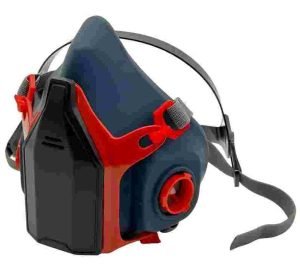
Particulate filters such as N95, N99, and N100 are designed to block out a wide range of airborne particles. The N95 filter, for instance, is highly effective in filtering out at least 95% of airborne particles. Moving up the scale, the N99 and N100 filters provide even greater protection by filtering out 99% and 99.97% of particles respectively. These filters are crucial in environments where exposure to hazardous particles is a concern.
P95, P99, and P100 filters
Similarly, P95, P99, and P100 filters offer robust protection against both oil-based and non-oil-based particles. The P95 filter blocks out at least 95% of airborne particles with added resistance to oil-based contaminants. Stepping up to the P99 and P100 filters provides enhanced filtration efficiency against both types of particulates. Selecting the appropriate filter depends on the specific hazards present in the work environment.
Gas and Vapor Filters
Organic vapor cartridges
Gas and vapor filters equipped with organic vapor cartridges are essential for protecting individuals against harmful gases emitted from solvents, pesticides, or certain chemicals. These cartridges effectively absorb organic vapors before they can be inhaled, ensuring a safer breathing experience for users operating in chemical-intensive settings.
Acid gas cartridges
In environments where acid gases pose a threat to respiratory health, acid gas cartridges play a critical role in safeguarding individuals. These specialized filters neutralize acidic fumes before they reach the user’s airways, preventing potential respiratory issues associated with exposure to corrosive substances.
Combination Filters
When to use combination filters
Combination filters serve as versatile solutions when workers face multiple hazards simultaneously. By integrating different filtration mechanisms into a single unit, these filters offer comprehensive protection against various contaminants. Utilizing combination filters streamlines respiratory protection efforts while ensuring optimal safety measures are in place.
Examples and applications
Common examples of combination filters include those that combine particulate filtration with gas/vapor absorption capabilities. These hybrid filters find applications in industries where workers encounter diverse hazards ranging from solid particles to chemical fumes. Understanding the specific requirements of each work setting is crucial for selecting the most suitable combination filter for enhanced respiratory protection.
Selecting the Right Filter
Assessing Workplace Hazards
Identifying Airborne Contaminants
To ensure optimal respiratory protection, individuals must first identify airborne contaminants present in their work environment. This crucial step involves recognizing the various particles and gases that could pose a threat to respiratory health. By pinpointing these contaminants, users can select appropriate filters tailored to address specific hazards effectively.
Evaluating Exposure Levels
After identifying airborne contaminants, it is essential to evaluate the exposure levels within the workplace. Understanding the concentration and duration of exposure helps determine the intensity of protection required. By assessing exposure levels accurately, individuals can choose filters with the appropriate filtration efficiency to mitigate risks effectively.
Filter Efficiency and Compatibility
Matching Filters to Respirators
Selecting the right filter involves matching it with compatible respirators to ensure seamless integration and optimal performance. Different respirators are designed to accommodate specific filter types, emphasizing the importance of proper pairing for enhanced protection. By aligning filters with suitable respirators, users can maximize safety measures in hazardous environments.
Ensuring Proper Fit and Seal
In addition to matching filters with respirators, ensuring a proper fit and seal is paramount for effective respiratory protection. A secure seal between the facepiece and the user’s face prevents contaminated air from bypassing the filter system. Proper fitting guarantees that no gaps compromise filtration efficiency, maintaining a safe breathing environment for individuals.
Maintenance and Replacement
Proper Care of Filters
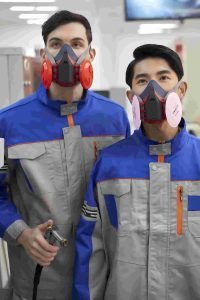
Maintaining respiratory protection filters is essential to ensure their longevity and effectiveness in safeguarding against airborne contaminants. Following cleaning and storage guidelines recommended by manufacturers prolongs the lifespan of filters, preserving their filtration efficiency. Proper care involves regular inspection for any signs of damage or degradation to address potential issues promptly.
Manufacturer recommendations emphasize the significance of storing filters in a clean, dry environment away from direct sunlight or extreme temperatures. Cleaning filters with mild detergent and allowing them to air dry thoroughly prevents microbial growth and maintains optimal performance. By adhering to these guidelines diligently, users can extend the usability of their filters while upholding respiratory safety standards.
Recognizing When to Replace Filters
Recognizing signs of filter degradation is crucial for timely replacement to maintain effective respiratory protection. Visual cues such as discoloration, tears, or deformities indicate filter deterioration, necessitating immediate replacement. Additionally, a decrease in filtration efficiency or an increase in breathing resistance signals the need for new filters to uphold user safety.
Understanding the frequency of replacement ensures consistent protection against airborne hazards. Regularly checking filter condition based on usage intensity and environmental exposure helps determine replacement intervals. Adhering to manufacturer specifications on filter lifespan guarantees optimal performance and minimizes risks associated with using deteriorated filters.
Respiratory protection filters are paramount for ensuring workplace safety and mitigating health risks associated with airborne contaminants. By selecting the appropriate filter based on regulatory guidelines and manufacturer instructions, individuals can enhance their respiratory protection significantly. The importance of using the right respiratory protection filters cannot be overstated, especially in hazardous environments where exposure to particles and gases is a concern. Prioritizing safety through proper filter selection and maintenance is key to safeguarding against potential respiratory hazards.